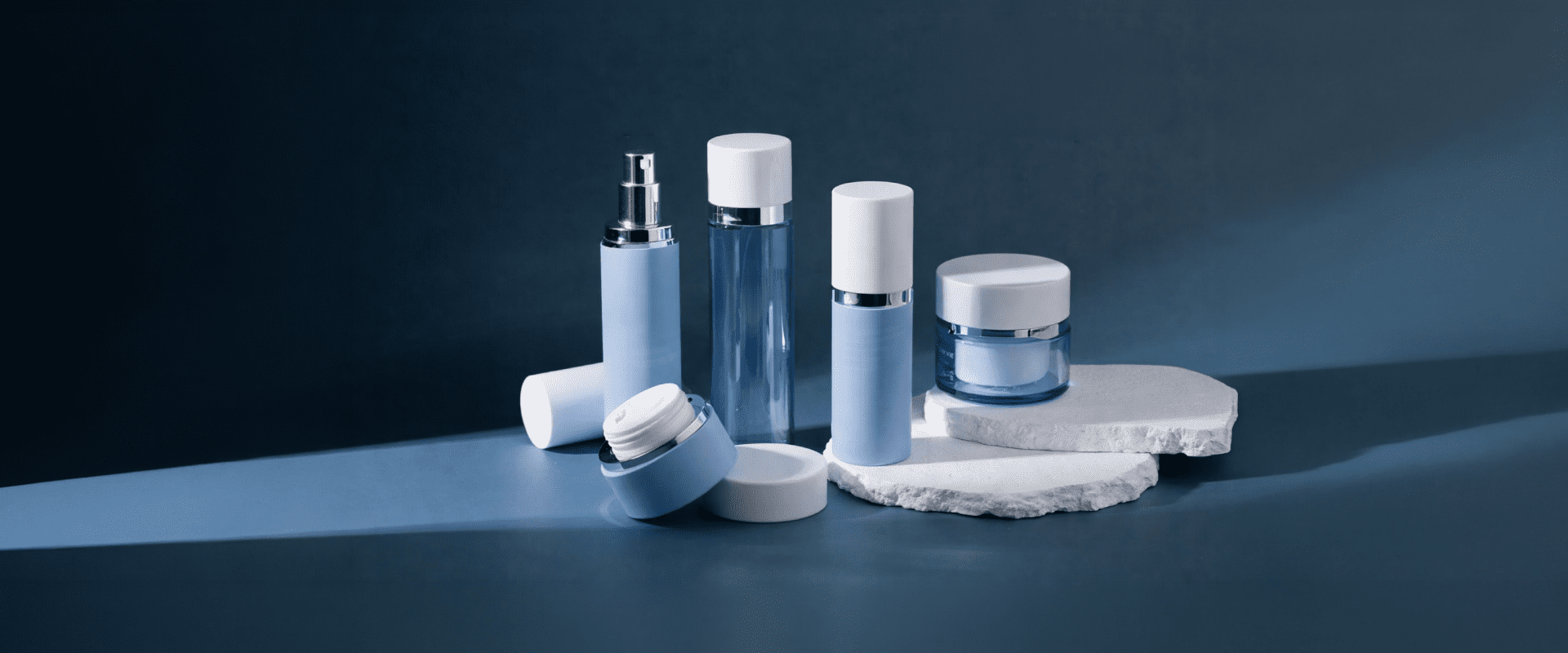
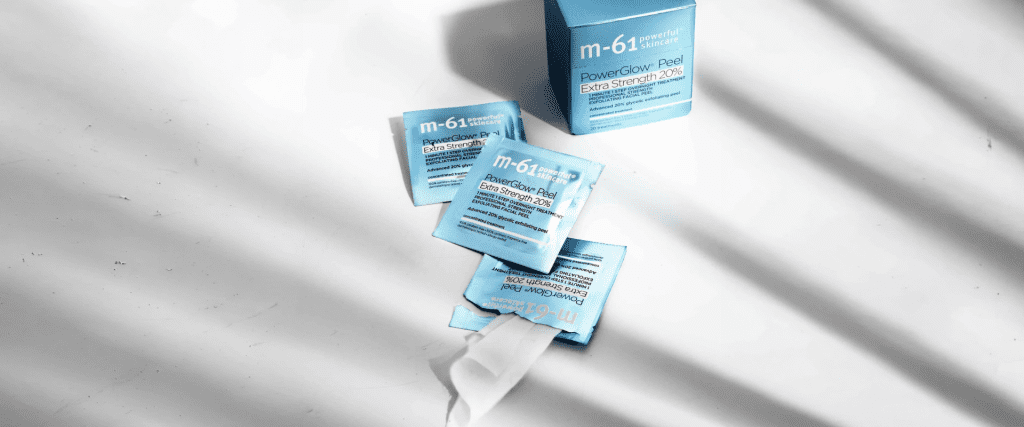
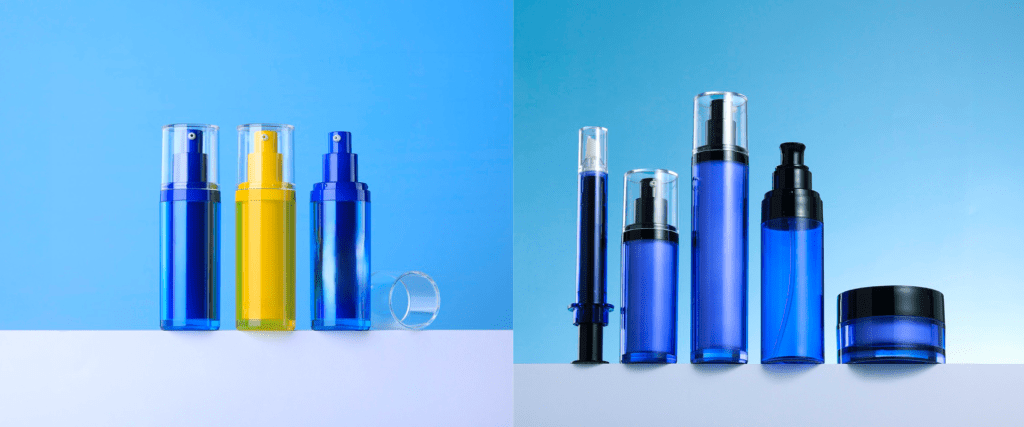
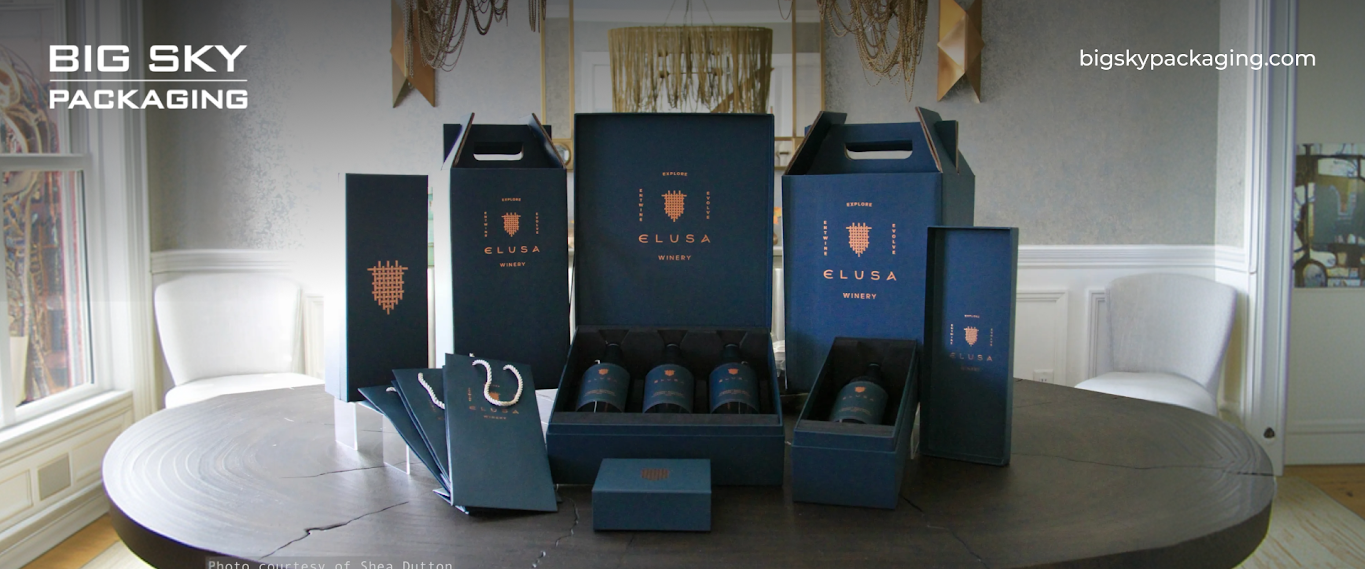
In today’s environment of tariff uncertainty, freight volatility, and geopolitical shifts, multi-region manufacturing is no longer a contingency plan—it is a strategic imperative. For beauty, fragrance, personal care, and luxury wine brands, packaging decisions now require a disciplined global manufacturing strategy built around flexibility, cost control, and risk mitigation.
The objective is not to favor one geography over another. It is to build a decision-making framework that aligns production location with brand priorities.
Comparing Global Production Models
Each region offers distinct advantages and trade-offs.
North America packaging production often provides shorter lead times, simplified logistics, and lower tariff exposure for U.S.-based brands. However, higher labor costs and tooling expenses can increase unit pricing, particularly for complex decorative processes.
South America manufacturing can offer competitive pricing with geographic proximity benefits. For certain packaging formats, it presents a balanced alternative between cost and transit time—though infrastructure and supplier depth must be evaluated carefully.
European packaging suppliers are often associated with premium componentry and advanced decorative capabilities. For luxury fragrance and wine packaging, Europe can provide strong aesthetic value, but freight and duty considerations must be factored into total landed cost.
Asia packaging sourcing remains cost-competitive for many high-volume programs and complex tooling projects. However, longer lead times, tariff exposure, and freight volatility require structured forecasting and contingency planning.
The right strategy depends on volume, timeline sensitivity, margin targets, and brand positioning.
Lead Times, Tariffs, MOQs, and Freight Considerations
A comprehensive global packaging manufacturing strategy evaluates more than unit price.
Lead Times: Regional production affects both sampling speed and full production timelines.
Tariff Exposure: HTS classifications and shifting trade policy can materially alter landed cost.
MOQs: Minimum order quantities vary widely by region and process, directly influencing inventory risk.
Freight: Cubic meter efficiency, port access, and shipping modality impact total cost.
Brands that assess these variables collectively—rather than independently—make stronger long-term decisions.
When Nearshoring Makes Sense—And When It Does Not
Nearshoring packaging can reduce transit time and tariff risk, particularly for time-sensitive launches or limited-run programs. It may also support sustainability objectives by shortening transportation routes.
However, nearshoring is not universally advantageous. For high-volume programs with stable forecasts, offshore production may still provide superior cost efficiency. The decision should be grounded in scenario modeling, not trend adoption.
Building Flexibility Into Long-Term Packaging Programs
The most resilient brands diversify intelligently. They maintain optionality across regions, qualify multiple production partners, and structure programs to pivot when necessary.
At BIG SKY PACKAGING, we help brands build diversified manufacturing frameworks across North America, South America, Europe, and Asia. Our role is not to push a single geography, but to align production strategy with financial objectives, lead-time requirements, and long-term growth plans.
Through structured RFQs, tariff impact modeling, and freight optimization planning, we help clients develop packaging supply chain diversification strategies that balance creativity with control.
In a volatile global market, flexibility is strength. Multi-region manufacturing is no longer reactive—it is disciplined preparation for sustainable growth.
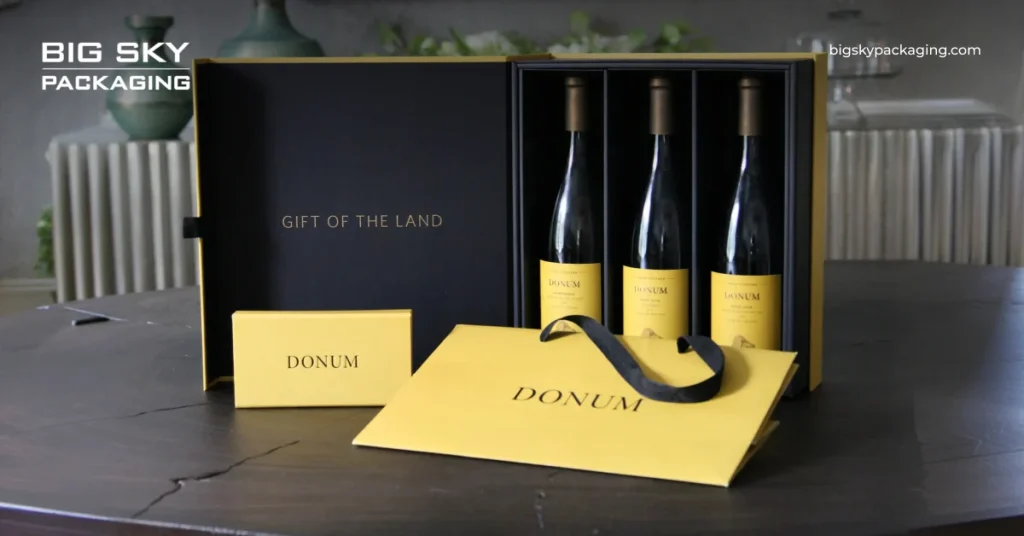
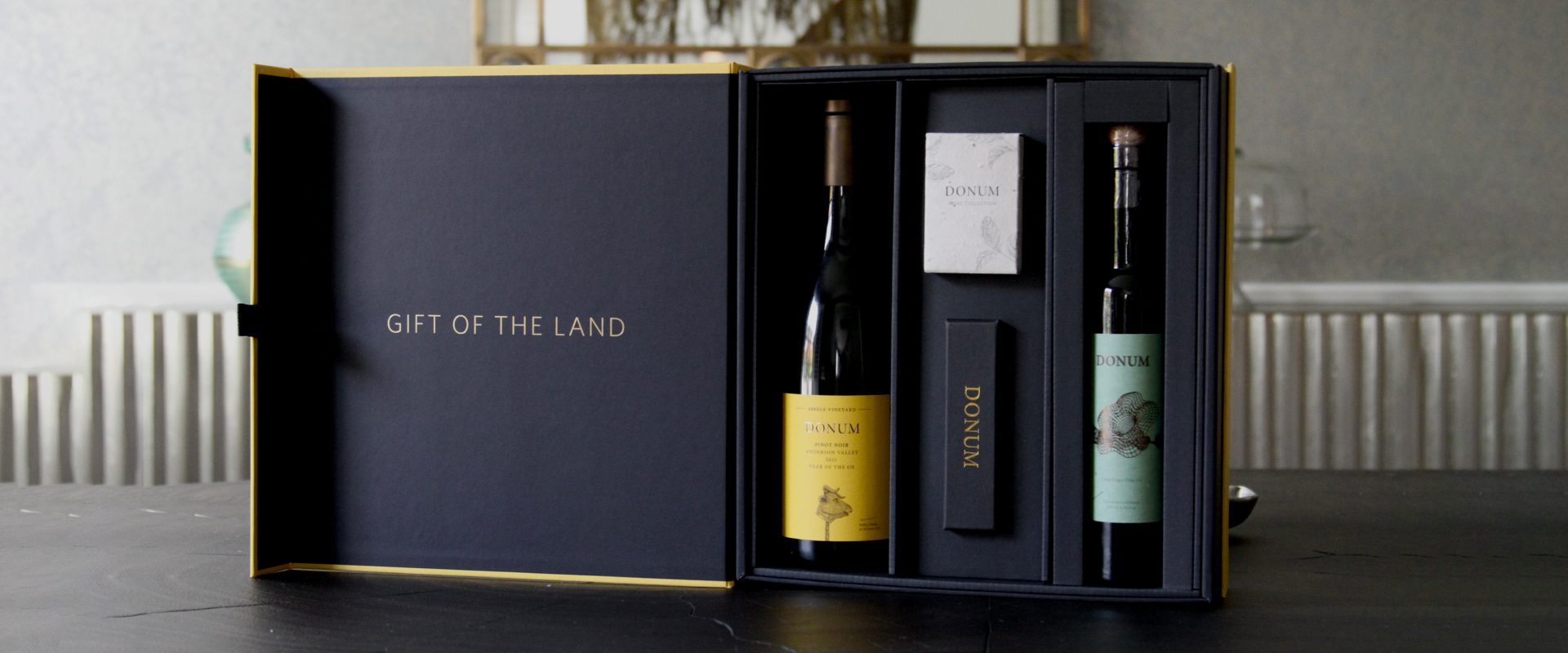
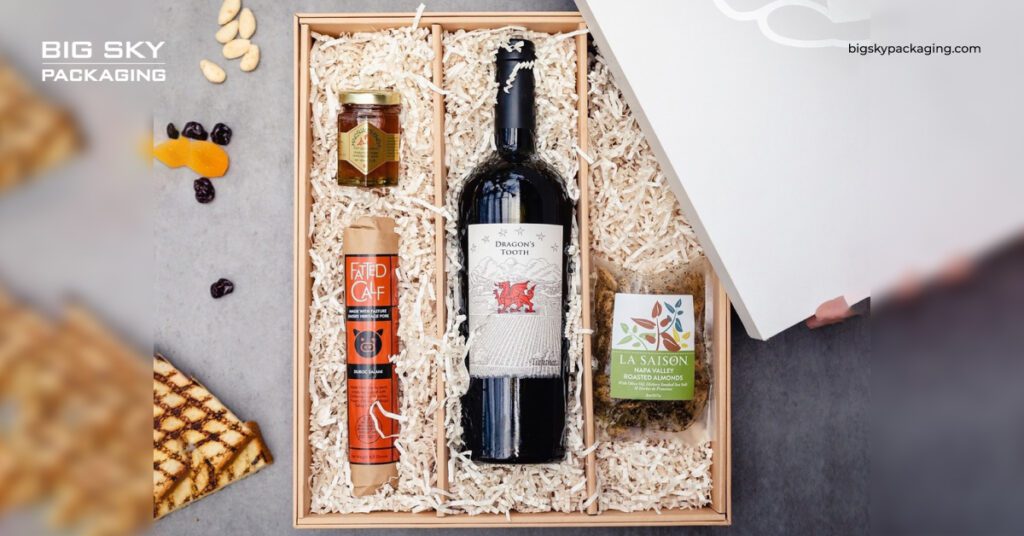
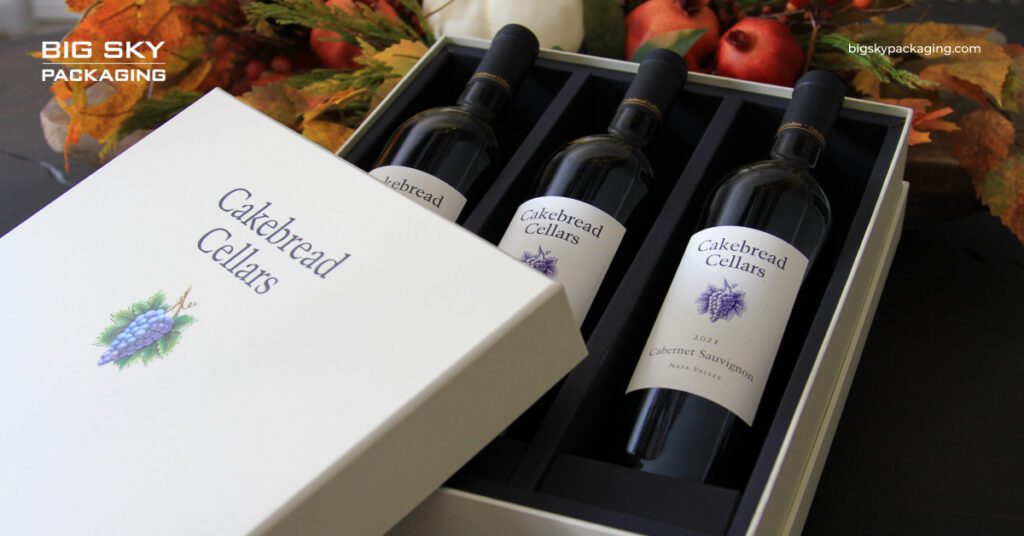
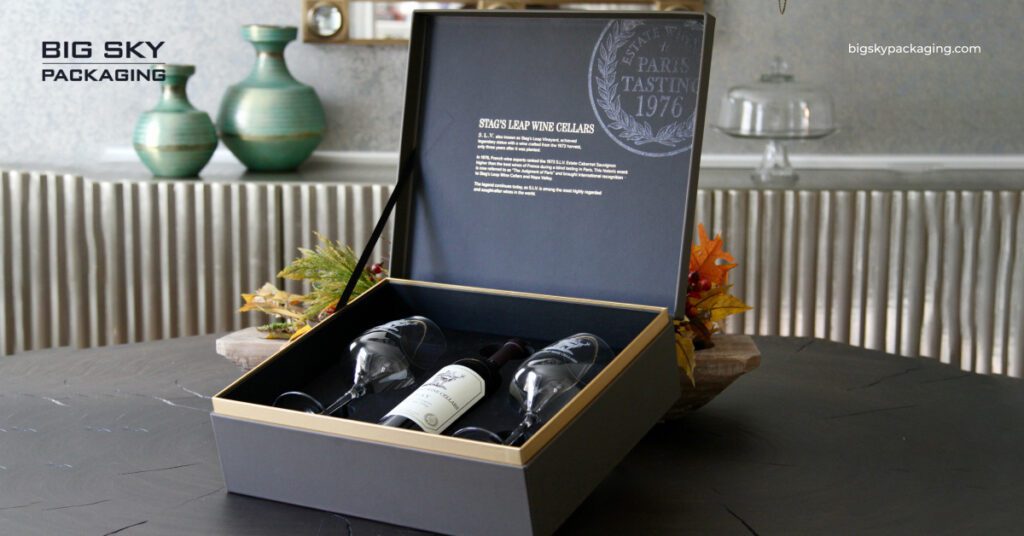
In the premium wine category, the moment a customer opens the package has become just as important as the moment they pour the first glass. In 2026, unboxing is no longer a secondary experience — it is a powerful validation point that confirms whether the customer made the right purchase.
For luxury wine brands, unboxing is where expectation meets reality. When executed thoughtfully, it reinforces quality, craftsmanship, and value. When overlooked, it can quietly undermine even the most exceptional bottle.
Unboxing as a Moment of Reassurance
Premium wine buyers invest with intention. Whether the purchase is made for personal enjoyment, gifting, or collection, there is an unspoken question at the heart of every luxury transaction:
Was this worth it?
The unboxing experience answers that question immediately.
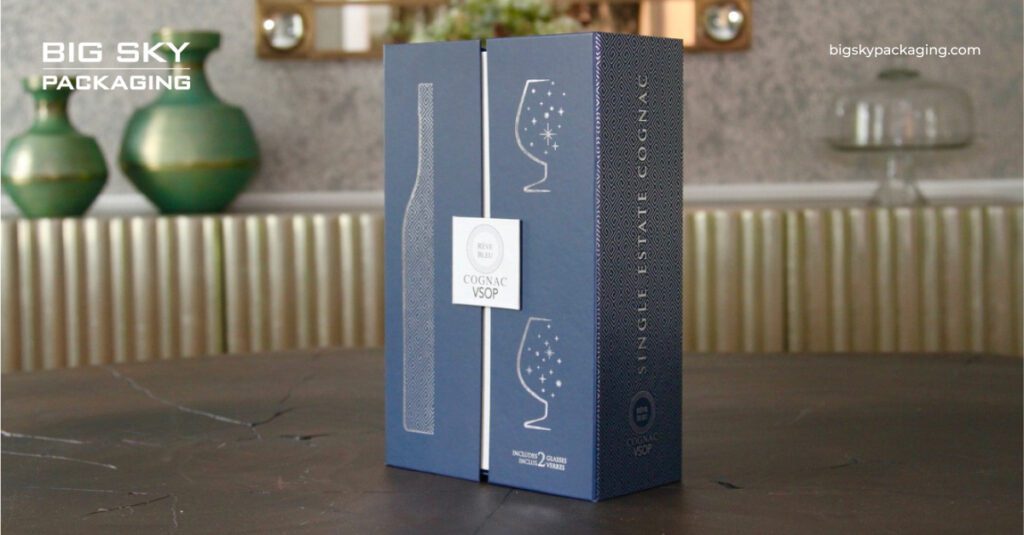
Before the label is studied or the wine is tasted, customers engage with structure, materials, and presentation. A well-considered unboxing signals that the brand understands the significance of the purchase and respects the customer’s investment.
Packaging That Confirms the Price Point
In luxury wine, perceived value must align with price — and packaging plays a defining role in that alignment.
Unboxing elements that elevate perception include:
These details work together to confirm that the wine belongs at its price point. When the experience feels elevated, the customer’s confidence in their purchase increases — even before tasting begins.
– Substantial yet refined structures that feel deliberate
– Materials that communicate quality without excess
– Protective components that cradle the bottle with care
– Clean, intuitive opening sequences that feel composed and intentional
Emotional Impact Drives Brand Loyalty
Unboxing is a tactile, emotional interaction. It slows the moment, creating anticipation and focus. For premium brands, this pause is an opportunity to build connections.
A memorable unboxing experience:
– Signals craftsmanship and restraint
– Encourages sharing and word-of-mouth
– Deepens emotional attachment to the brand
In a category where many wines compete at similar quality levels, emotional resonance often becomes the differentiator.
E-Commerce Has Elevated the Role of Unboxing
As premium wine continues to grow through direct-to-consumer and online channels, unboxing has become the first physical brand touchpoint.
Packaging must protect the bottle through transit while delivering a refined, cohesive experience upon arrival.
A strong unboxing experience reassures customers that quality was considered at every step — from vineyard to doorstep.
Big Sky Packaging’s Approach to Premium Wine Unboxing
At Big Sky Packaging, unboxing is treated as a critical extension of the brand — not an afterthought.
Our added value lies in aligning structure, materials, and presentation with how premium wine is purchased and experienced. We collaborate closely with wine brands to ensure packaging:
– Reflects the character and positioning of the wine
– Enhances the experience in parallel with the wine
– Balances protection, usability, and refined aesthetics
– Balances protection, usability, and refined aesthetics
With decades of experience supporting premium and luxury brands, we understand that successful unboxing is engineered through intention. Every fold, surface, and interaction is designed to reinforce trust and perceived value.
Turning Unboxing into Brand Validation
In 2026, premium wine buyers are not just purchasing a bottle — they are investing in an experience. The unboxing moment is where that investment is either validated or questioned.
When packaging feels thoughtful, composed, and aligned with the wine inside, it reassures the customer that their spend was justified. It strengthens brand perception and sets the stage for loyalty, advocacy, and repeat purchase.
For premium wine brands, unboxing is no longer optional. It is a defining moment — and when done well, it quietly confirms that the brand belongs in the luxury conversation.
At Big Sky Packaging, we help premium wine brands turn unboxing into a meaningful extension of their story — one that protects, elevates, and validates every bottle.
Have you ever considered sending out your wine and other property-related products in appealing corporate gift packaging boxes?
If not yet, now is the time. Yes, for years, gifting great things has long been a way to build strong relationships, express gratitude, and enrich brand visibility in the corporate world.
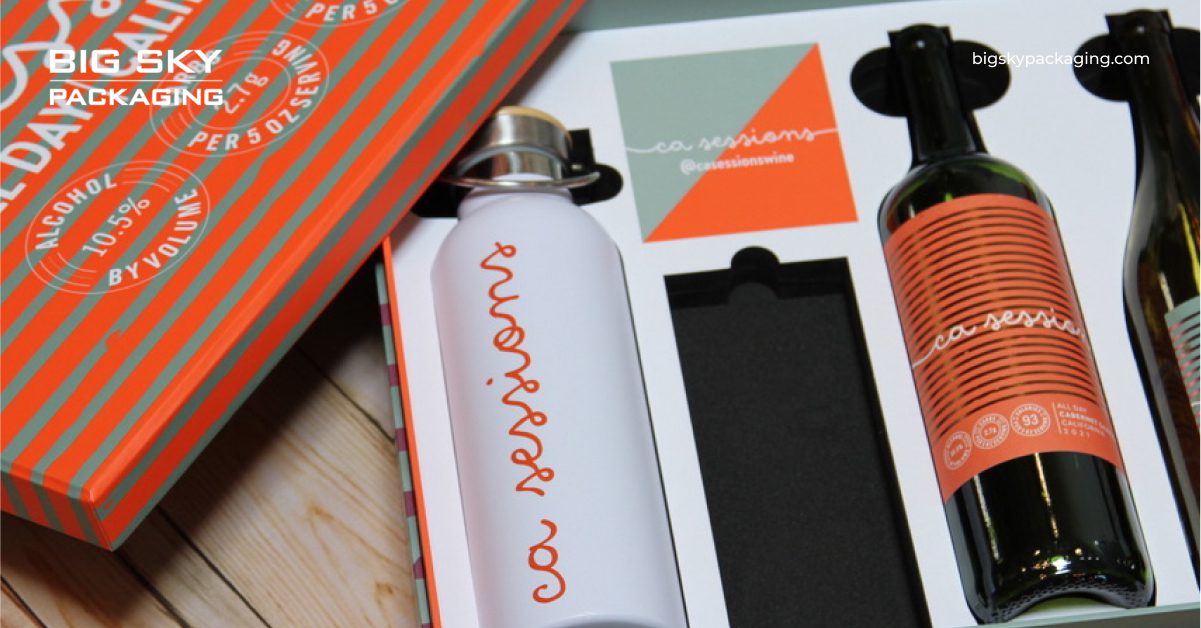
For businesses and organizations looking to show gratitude to clients/ partners and warm employees, custom wine corporate boxes offer a unique opportunity to elevate the gifting experience, align with brand values, and enhance the overall presentation. Above all, it’s a great opportunity to promote your brand and extend your customer base, while making a memorable impression.
In this blog, we’ll explore the benefits of custom yet corporate wine packaging and why it should be an integral part of your strategy.
1. Creating a Lasting Impression with Customization
One of the key benefits of custom wine packaging is its ability to create a lasting impression. In corporate gifting, the presentation is just as important as the gift itself. When recipients receive a thoughtfully designed, personalized wine package, it sends a powerful message about the attention to detail and care that a company invests in its relationships.
2. Enhancing Brand Visibility and Recognition
Corporate gifting is an opportunity to showcase your brand, and custom wine packaging serves as an effective marketing tool. By integrating your brand’s logo, colors, and message into the packaging design, you can ensure that your brand is visible throughout the gifting experience.
3. Reflecting Quality and Sophistication
In the world of corporate gifting, quality matters. Custom wine packaging speaks volumes about the quality of the gift and the company giving it. High-quality, well-designed packaging signals that the business values excellence and sophistication, which can leave a positive impression on clients, partners, and stakeholders.
4. Differentiation in a Competitive Market
In a competitive corporate environment, it’s important to stand out. Your corporate wine packaging can provide a way for businesses to differentiate themselves from competitors. When a client or partner receives a well-packaged, unique gift, it captures their attention and makes the experience – and company – memorable.
5. Sustainability: A Modern Corporate Value
As businesses become more conscious of their environmental impact, sustainability has become a key consideration in corporate gifting. Custom wine packaging allows companies to choose sustainable materials and practices that align with their corporate social responsibility (CSR) goals.
6. Practical Benefits: Protection and Convenience
Custom wine packaging is not only about aesthetics; it also serves a functional purpose. Proper packaging ensures that the wine bottles are protected during transit, preventing breakage and maintaining the integrity of the gift. Custom solutions can be designed to fit the specific shape and size of the wine bottle, providing added protection.
7. Supporting Special Occasions and Campaigns
Custom wine packaging is ideal for special occasions, events, and campaigns. Whether it’s celebrating a company milestone, launching a new product, or showing appreciation during the holiday season, custom packaging can be tailored to fit the theme of the occasion.
Seasonal and Event-Specific Designs
Businesses can create seasonal packaging designs that reflect festive themes or campaign-specific graphics. For example, a holiday-themed wine package can be designed with festive elements, making it a perfect gift for clients during the end-of-year celebrations. Similarly, packaging for a product launch can incorporate branding that introduces the new product in a stylish and impactful way.
Why Rely On Packaging Engineers at BIG SKY PACKAGING?
At BIG SKY PACKAGING, we understand that corporate gifting is more than just a gesture; it’s an opportunity to build relationships, reinforce your brand, and express your values. Our packaging engineers specialize in creating custom wine packaging solutions that meet the highest standards of quality and creativity.
Expert Consultation and Design Services
We work closely with businesses to understand their brand, audience, and goals. From concept to creation, our team guides clients through the design process, ensuring that the final product not only looks stunning but also serves its intended purpose. Whether you need classic elegance or a modern design, our experts can craft packaging that captures your brand’s essence.
Sustainability-Focused Options
As advocates for sustainability, we offer a range of eco-friendly packaging materials and solutions. Our packaging engineers can help you choose materials that reduce environmental impact while maintaining the quality and appeal of your custom wine packaging. With BIG SKY PACKAGING, you can make a positive statement about your commitment to the environment.
Conclusion: Elevate Your Corporate Gifting Strategy with Custom Wine Packaging
Corporate gifting is a powerful tool that can leave a lasting impression on clients, partners, and employees. By investing in custom wine packaging, businesses can create gifts that reflect their brand values, convey quality, and differentiate themselves from competitors. Custom packaging elevates the entire gifting experience, making it more memorable, engaging, and impactful.
At BIG SKY PACKAGING, we are dedicated to helping businesses enhance their corporate gifting strategy through custom packaging solutions. Our expertise, creativity, and commitment to sustainability make us the ideal partner for your packaging needs. Let us help you elevate your brand and create a gifting experience that resonates long after the wine is enjoyed.
Ready to Elevate Your Corporate Gifting?
Contact BIG SKY PACKAGING today to learn more about our custom wine packaging solutions and discover how we can help your business make a lasting impression.
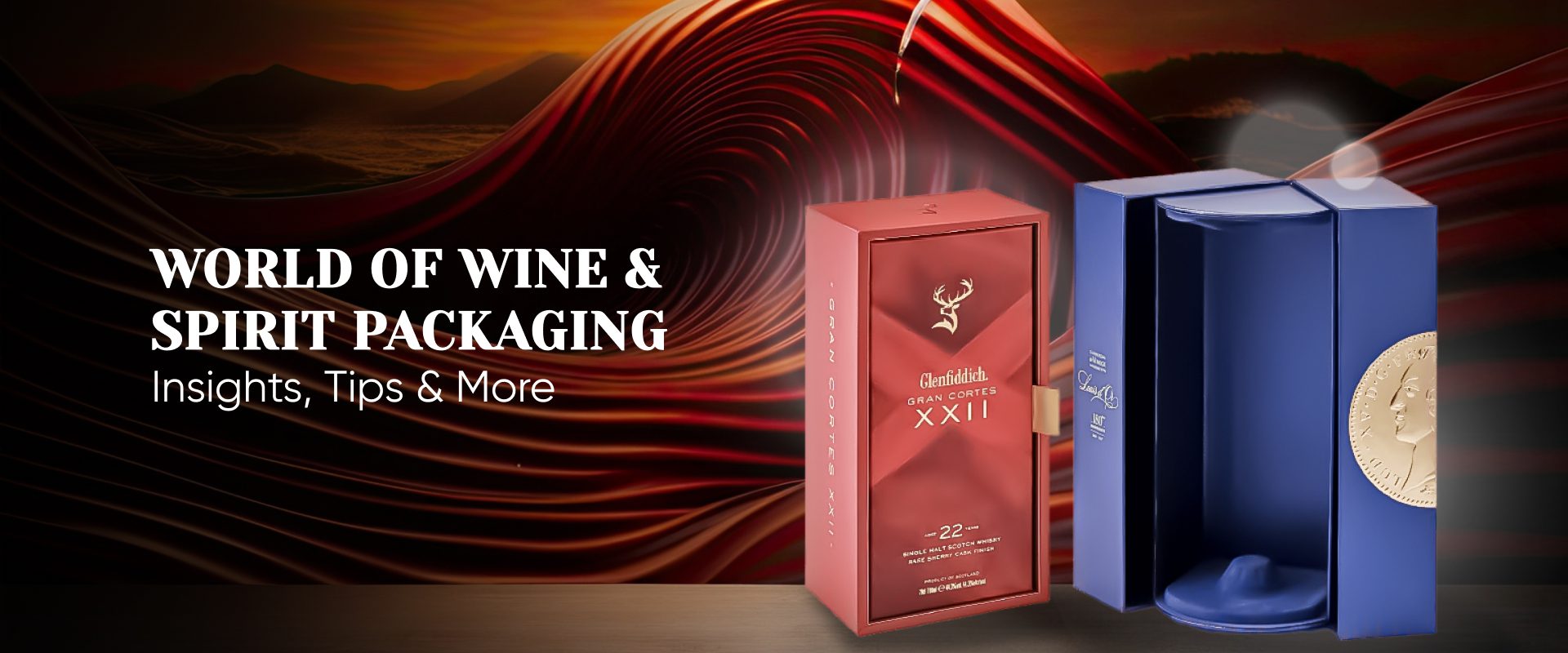
It’s time to delve into the world of wine and spirits, where packaging is more than just a treat to our eyes. Think of it as a painter’s canvas, a storyteller, and a guardian of treasures—all rolled into one. As packaging reshapes how our drinks appear on the shelf, packaging engineers work wonders and create exclusive solutions.
Picture this: Boxes that are like magic chests, carrying not just bottles but the trust customers show in the brand. Bags that don’t just have things, but hold secrets waiting to be revealed. This guide is your map to this exciting world of wine and spirit packaging. Here, we break down the walls of ordinary packaging and let innovative packaging roam free.
Wine and Spirits packaging has evolved into more than a shield for bottles these days. It’s a reflection of a brand’s heart, a sign that something amazing is about to happen. We learn about the choices that make designs pop, materials that have stories to tell, and smart moves that turn opening a box into pure joy.
From planet-friendly packaging that hugs the Earth, to colors, textures, and letters that show what a brand is all about, we invite you to explore a world where packaging of wines and spirits isn’t just a sidekick—it’s the star. Join us to discover how packaging can be fancy and practical, a mix of old and new, all in one. Also, we will learn about its importance, types, and much more. Let’s begin!
How Does Wine and Spirit Packaging Benefit Businesses?
Beyond its functional role of protecting products, packaging helps shape brand perception, foster customer loyalty, and drive sales.
Firstly, the packaging is the brand’s visual representative, expressing its essence and values before the first sip. A well-manufactured package captures attention on crowded shelves, making a strong first impression that lingers in consumers’ minds. It’s no less than the bridge between the brand’s story and the consumer’s experience.
Secondly, packaging wields the power of differentiation. In a market flooded with options, unique packaging stands out, building a memorable experience that’s etched into the customer’s memory. A carefully crafted package can evoke feelings, tell a story, or convey exclusivity, making the brand more adorable.
Moreover, packaging extends the brand experience beyond the purchase. A captivating unboxing ritual adds value to the product, creating an emotional connection that amplifies customer loyalty. Brands that invest in packaging as an experience elevate themselves from mere products to cherished memories.
From elevating brand recognition to enhancing perceived value, packaging is an investment that yields substantial returns. It’s the silent advocate that communicates a brand’s ethos, resonates with consumers, and transforms a mere bottle into a treasure trove of delight—a vital asset for any wine and spirit business.
Important Aspects to Consider for Wine & Spirit Packaging
Creating the right packaging for wine & spirits, especially for online sales, is like putting together a puzzle. There are different aspects to consider to make sure everything fits perfectly. Let’s learn all of them.
Keeping It Safe
There is no doubt that wine and spirits bottles are fragile, so it’s more like an essential function of a packaging box to keep them safe. This is the most significant factor. The packaging must make sure the bottles don’t get smashed or shaken during transit. To be sure it works, it is thepackaging engineer who ensures how well it holds up in different circumstances.
Easy to Open
Visualize getting a package and requiring a lot of tools to open it. That’s indeed frustrating. So, the packaging should be easy to open. People don’t want to struggle with scissors or knives. It must be like a door that opens with just a push.
Contributing to Earth
Using resources to create packaging that doesn’t hurt the planet is really important. Think about how much plastic we use and how it can cause problems for the environment. When picking materials, like paper, wood, or molded paper instead of plastic, it’s like choosing things that won’t hurt our home.
Branding
The packaging must introduce your brand. It portrays who you are and what your brand’s vision is all about. The choice of colors, logos, and words on the package must convey a story. It’s like saying, “Who we are.” In all, when people see your package, they must know it’s from your brand.
Labeling Is Important
Labeling is one aspect of alcoholic beverage packaging. When it comes to alcohol, there are various legal provisions for what a label should carry. This includes vital information like how much % alcohol the bottle contains, where it comes from, and even the health warnings. But that doesn’t imply that labels are boring! Packaging engineers ensure that the design can still follow the rules and catch the eyes of all on the shelves. It’s like finding the right balance between following the law and showing off your brand’s personality.
Custom packaging is like putting together a puzzle that fits just right. It keeps the bottles of wines and spirits safe, opens easily, doesn’t hurt the Earth, and shows off your brand. It’s a remarkable package that does a lot more than just hold a bottle—it tells a story, keeps things safe, and shows that your brand cares about both its customers and the world we live in.
Materials Used for Wine & Spirits Packaging
Packaging materials enhance the presentation, protection, and overall appeal of wine and spirits products. Among the diverse array of options available, cardboard, paper, wood, and fabric stand out as versatile choices that can transform packaging from functional to alluring. Each material brings unique attributes to the table, catering to different market segments and consumer preferences.
Cardboard and paper have long been preferred for their lightweight yet sturdy nature, making them ideal for packaging wine and spirits. The suitability of these materials lies in their ability to safeguard delicate contents from external factors while offering ample space for branding and information. Molded pulp is one popular sustainable packaging material crafted from recycled paper and cardboard; its eco-friendly nature makes it ideal for wine and spirits packaging. It provides cushioning, protection, and branding possibilities, ensuring products are safe during transit while minimizing environmental impact.
Wood, often associated with premium products, lends an air of elegance and sophistication to packaging. Woods like pine, oak, and cedar are chosen for their durability, distinct grain patterns, and aroma. Pine may be used for a more rustic feel, oak for its classic and timeless look, and cedar for its natural scent that can enhance the overall sensory experience. Wood as a sustainable packaging option resonates with environmentally-conscious consumers, as it is biodegradable and can be sourced responsibly. Wood also offers opportunities for intricate carving, laser etching, or branding, enabling personalization that aligns with luxury branding strategies.
The choice of packaging materials can significantly influence a wine or spirits product’s perception in the market. Cardboard and paper offer versatility and printing options, wood imparts premium elegance and sustainability, and fabric provides a tactile and luxurious experience. Each material has its unique attributes that can be harnessed to create packaging that not only protects the contents but also communicates the brand’s identity, story, and values. As the packaging industry continues to evolve, innovative combinations of these materials will likely lead to even more captivating and engaging packaging solutions for the wine and spirits sector.
Sustainable Wine & Spirits Packaging Solutions
In response to the growing need for eco-conscious practices, sustainable packaging solutions for wines and spirits have emerged too. Using packaging that’s kind to the planet isn’t just something popular for a short time; it’s something we really need in a world that wants to balance business with taking care of nature. And as we work towards this goal, there are three important ways we can make packaging more sustainable.
Eco-friendly
Eco-friendly materials can be crucial to change. Packaging manufacturers are increasingly turning to recycled, biodegradable, or compostable materials to craft wine and spirit packaging. By utilizing materials that have a reduced environmental footprint, the industry is contributing to the conservation of resources and the reduction of waste.
Minimalistic
Another approach gaining traction is minimalist packaging. Embracing this, brands are opting for sleek, simple designs that require fewer resources to produce and generate less waste. This approach not only reduces material usage but also enhances the visual appeal by focusing on essential design elements.
Reduced Carbon Footprint
The carbon footprint of wines and spirits packaging is being actively addressed. Companies are adopting energy-efficient manufacturing processes and transportation methods, effectively lowering emissions associated with packaging production and distribution. This reduction in carbon footprint aligns with global efforts to combat climate change.
In conclusion, sustainable packaging solutions for wines and spirits are steering the industry towards a greener future. Through the use of eco-friendly materials, minimalist designs, and carbon footprint reduction strategies, brands are not only meeting consumer demand for
environmentally responsible choices but also contributing to the overall well-being of the planet.
Selecting The Right Packaging Style
As the industry adapts to eCommerce, the options for wine & spirits packaging have expanded, offering more choices than ever before. Selecting the right packaging style is essential as it conveys your brand’s message and ensures your products arrive in excellent condition.
Paperboard Inserts
Paperboard inserts are a popular choice due to their ability to securely hold wine & spirits bottles during transportation, minimizing the risk of damage. These inserts are environmentally friendly as they can be made from FSC certified paperboard and provide visibility to the product. As about our EnviroTray® paperboard inserts!
EVA & rEVA Inserts
EVA foam inserts, offered in virgin or recycled material, provide excellent bottle protection during shipping and provide additional space for branding and other elements. It allows for unique and distinctive packaging designs that reflect your brand identity.
Moulded Paper Pulp Inserts
For a touch of luxury and sustainability molded paper pulp inserts are an attractive option. It not only ensures product safety in transit, but also conveys your brand commitment to the environment, thereby enhancing the overall experience and leaving a positive impression.
Divider Packaging
Dividers keep multiple bottles secure during shipping and come in various options. These solutions cater to many product sizes and help prevent bottles from colliding and breaking.
Cut & Sew Bags
Natural material bags offer a convenient way to transport wine & spirits bottles. These versatile bags offer protection, and ease of carrying, and also often feature attractive designs, making them an apt choice for on-the-go wine enthusiasts and as thoughtful present packaging.
Role of Packaging Engineers In Making Wine & Spirits Packaging
Packaging engineers ensure the way products are presented, preserved, and safeguarded holds immense importance. Their expertise encompasses both technical and creative aspects, influencing the entire consumer experience and brand image. Particularly within the world of wine and spirits packaging, their roles encompass:
1. Material Selection
Packaging engineers carefully assess and choose materials that uphold the product’s integrity. For wines and spirits, this involves understanding how bottles can remain safe as well as how they appear on the shelf.
2. Design Innovation
Collaborating with manufacturers, engineers craft packaging that not only reflects the brand’s identity but also resonates with consumers. In the case of premium products like wines and spirits, they ensure the packaging design exudes elegance, communicates luxury, and sets the product apart on store shelves.
3. Sustainability Considerations
With a growing emphasis on sustainability, packaging engineers develop eco-conscious solutions that minimize environmental impact. This might encompass using recyclable or biodegradable materials and optimizing packaging dimensions to reduce excess waste.
4. Sealing and Closure Solutions
A secure closure is paramount to prevent evaporation and maintain product quality. Packaging engineers develop closures that offer an airtight seal while remaining user-friendly and visually appealing.
5. Regulatory Compliance
As mentioned above, the wine and spirits industry is subject to various regulations including labeling requirements and alcohol content restrictions. Packaging engineers ensure that the packaging adheres to all legal standards, including necessary safety warnings and information.
6. Transportation and Handling
Engineers take into account the product’s journey from production to store shelves. They design packaging that shields against breakage during transit and is convenient for distributors, retailers, and consumers to handle.
7. Brand Differentiation
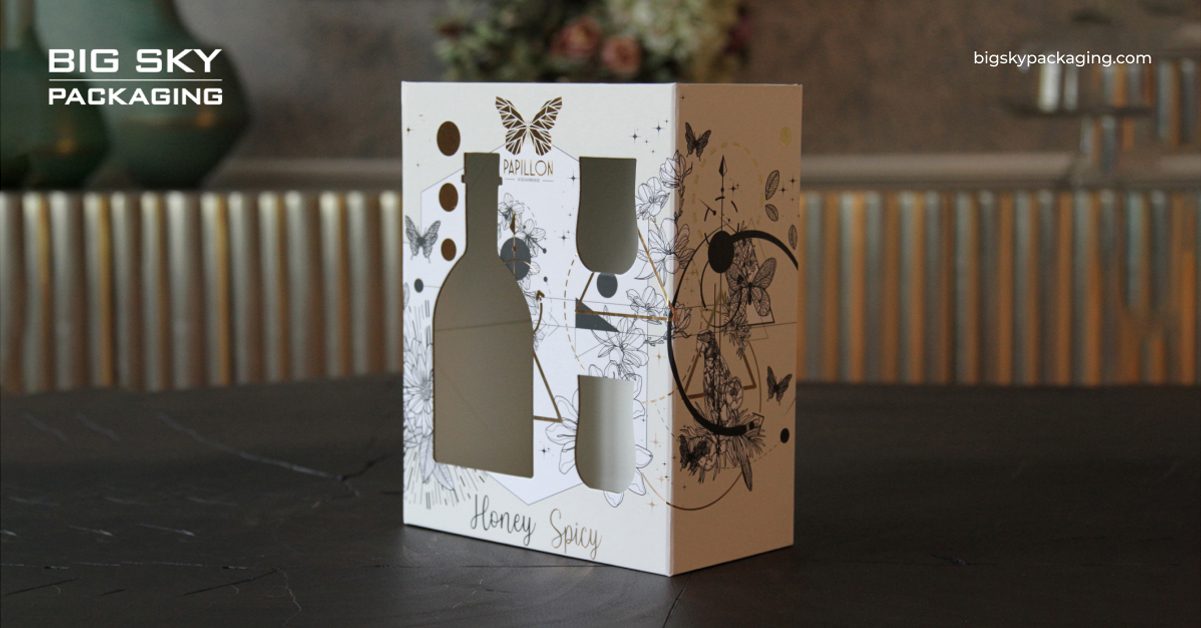
Packaging engineers aid brands in standing out within a competitive market by incorporating distinctive features. This might encompass unique closures, embossed details, debossed elements, or other embellishments that amplify the packaging’s visual allure.
8. User Experience
The aim of packaging engineers is to enhance the user experience by creating packaging that is easy to open, pour, and reseal. For wine and spirits, this ensures that consumers can enjoy the product without any hassle.
Packaging engineers contribute significantly to a brand’s success by melding technical expertise with creative ingenuity. Their goal is to produce packaging solutions that not only safeguard the product but also amplify its allure and value for consumers.
We Offer Winning Wine & Spirits Packaging Solutions…
Enhance your wine & spirits packaging experience with BIG SKY PACKAGING, where our adept packaging engineers are poised to weave magic into every solution. Whether you seek a transformation of your existing packaging or the birth of a new masterpiece, our experts guarantee an exquisite fusion of allure, functionality, and affordability. As prominent players in the industry, we embrace sustainability and environmental consciousness, crafting exceptional packaging that enhances your bottles and amplifies your brand’s essence.
Some of Our Works
Here we are highlighting the dynamic partnership between BIG SKY PACKAGING and a few brands like Rabbit Hole Whiskey, Seven Apart Vineyard, and Frigate Rum Reserve. Explore how innovative packaging strategies brought each brand’s essence to life, leaving a lasting impact on their market presence.
Rabbit Hole Whiskey
As part of our commitment to enhancing brand identity and product presentation, we played a pivotal role in the launch of Rabbit Hole Whiskey. Collaborating closely with the brand, we developed a custom wood closure adorned with the iconic Rabbit Hole logo, complete with a natural cork sourced from Portugal. The result was a distinctive packaging solution that resonated with the brand’s essence and elevated its market presence.
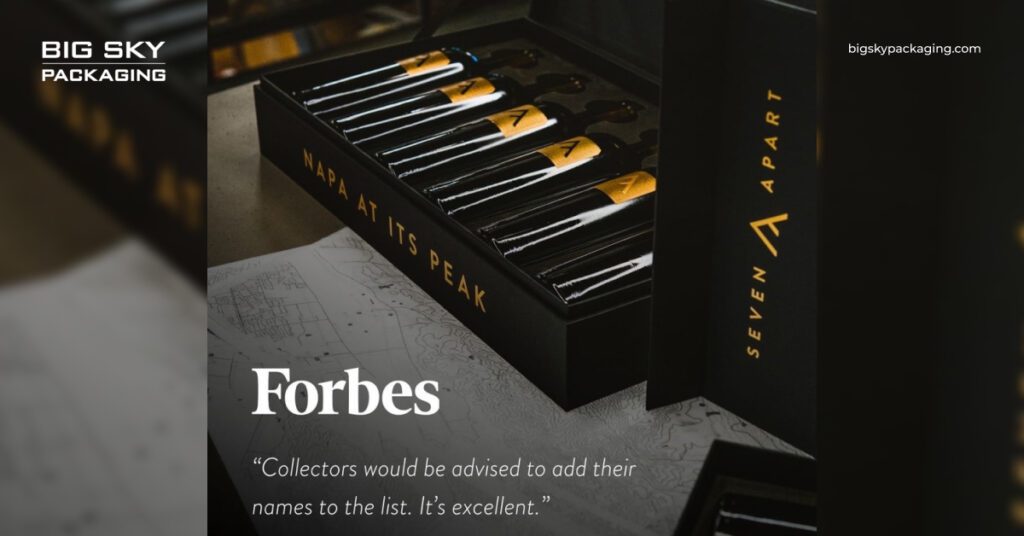
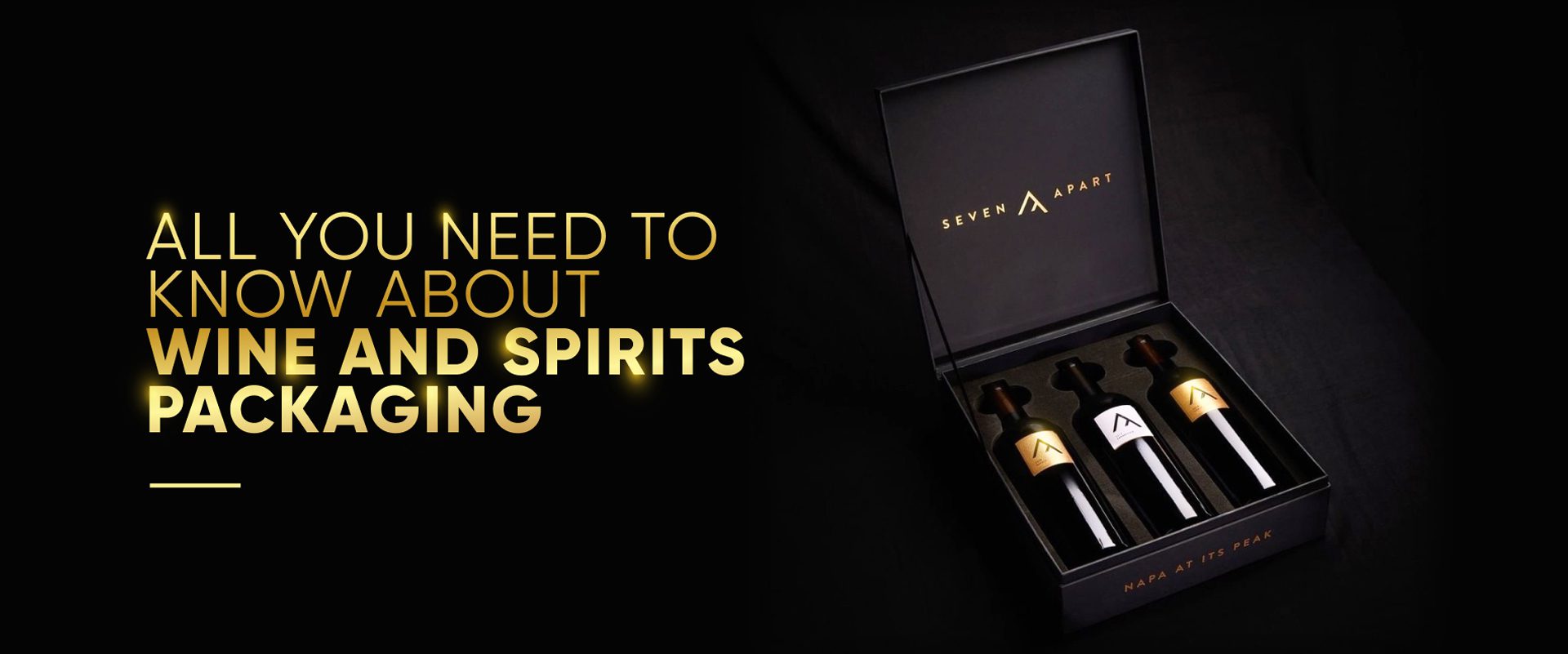
Seven Apart Vineyard (Napa, CA)
Nestled in the heart of Napa Valley, Seven Apart Vineyard sought to encapsulate the essence of their wines through impeccable packaging. We were honored to contribute our expertise in crafting high-end packaging solutions for this esteemed winery. By working collaboratively, we helped Seven Apart Vineyard create packaging that not only protected their product but also conveyed the brand’s premium quality and commitment to excellence.
Frigate Rum Reserve
When it came to realizing a unique packaging vision, Frigate Rum Reserve turned to us as its packaging partner of choice. The collaborative efforts between both of us resulted in the development of captivating custom spirits packaging. Our dedication to translating brand values into packaging aesthetics enabled Frigate Rum Reserve to successfully introduce its product to the market with packaging that authentically reflects the spirit’s essence and story.
These are only a few of the prominent brands and wineries we’ve collaborated with. But, these partnerships have been invaluable in our journey to expand our expertise and refine our top-tier packaging solutions, allowing us to serve the best of the needs of more wine and spirit businesses like yours.
So, if any of such brand stories relate to your vision or you carry any other new packaging ideas for your wines and spirits, we are happy to bring your packaging dream to a reality.
Let’s create unboxing moments for your customers that linger in memory and enrich the legacy of your wines & spirits.
Wine and Spirits Packaging Tips: How Packaging Engineers Can Help?
What creates wine & spirits demand? Sure, it’s taste, but how you package it matters, too, as that’s going to pull your customers’ attention. Find packaging tips for your brand!
The clinking of glasses, the rich aroma of aged spirits, and the subtle notes that accent the product – these are the things that make the wine and spirits industry so alluring.
But what catches your eye first? The Packaging, of course.
The packaging is the unsung hero that protects the beverage, maintains its quality, and catches the consumer’s eye on the shelf. And Packaging engineers are the heroes behind the scenes who make sure that the packaging design and materials used are not just aesthetically pleasing, but also functional and effective.
In this article, let’s look at the world of wine and spirits packaging and discuss the crucial role packaging engineers play in ensuring that the beverage reaches the consumer in its best form.
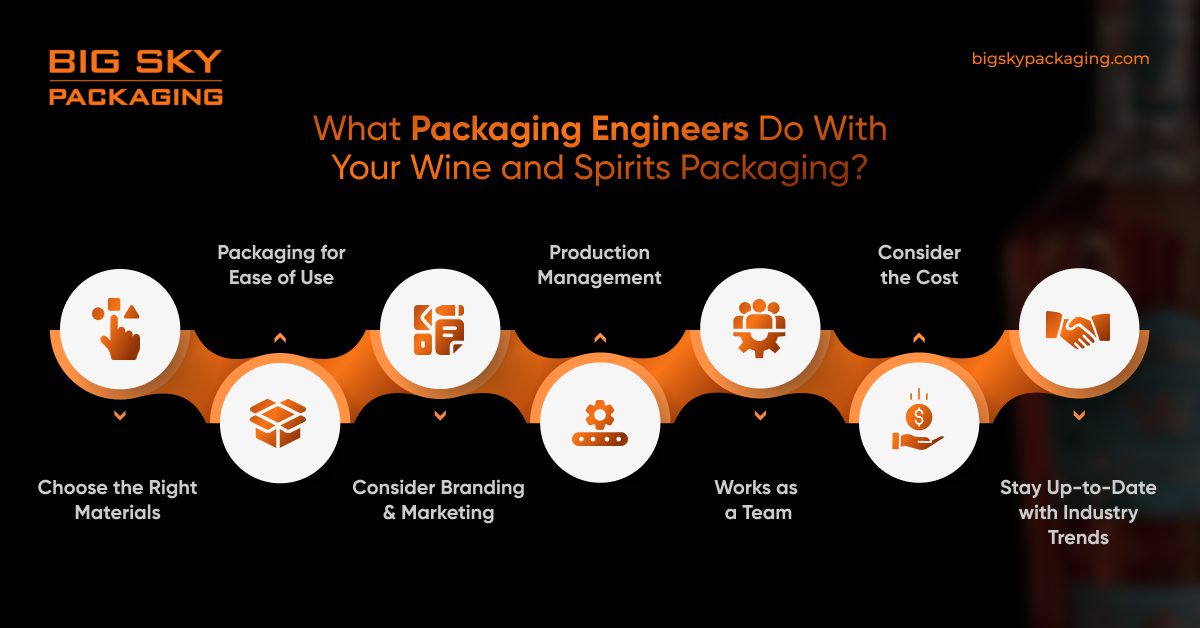
What Packaging Engineers Do With Your Wine and Spirits Packaging?
Choose the Right Materials
Packaging engineers help in choosing the right materials for wine and spirits packaging. The materials used should protect the product externally. Experts take care of all factors while crafting exceptional wine and spirits packagingsolutions such as; premium wine club boxes, unit boxes, bags, totes, and customized e-commerce solutions. Being experienced in the industry, they understand the specific needs of any wine and spirits brand and meticulously attend to the details to deliver wine and spirit packaging that not only complements the products but also guarantees secure transportation.
Packaging for Ease of Use
Packaging engineers develop custom wine and spirits packaging that meets the needs of both the product and the end user. Ease of opening and use is another crucial aspect to consider when developing wine packaging. The packaging should be user-friendly, making it easy for the consumer to open, handle & store the product. Right experts create packaging solutions that offer both functionality and convenience, enhancing the overall consumer experience.
Consider Branding & Marketing
Packaging engineers consider branding and marketing when devising wine and spirits packaging. The wine and spirit boxes should be visually appealing and communicate the brand’s message effectively. Also, it should be crafted in a way to stand out on the shelf, attract the consumer’s attention and increase sales.
Production Management
Packaging engineers always test wine and spirits box packaging for functionality before finalizing. Experts are responsible for managing the production, quality assurance, quality control, and shipping to your fulfillment center, regardless of the type of packaging involved, such as primary or secondary packaging, e-commerce packaging, gift sets, or set boxes. They oversee the manufacturing aspects of the entire process.
Works as a Team
Right packaging engineers collaborate with companies to understand their needs and what they want to send to consumers. Collaboration helps packaging engineers develop packaging that meets the company’s goals and objectives.
Consider the Cost
Packaging engineers consider the cost when creating wine and spirits packaging. The packaging should be designed to be cost-effective, and the materials used should be affordable. However, the right packaging engineers ensure that the packaging is of high quality and protects the product while being affordable.
Stay Up-to-Date with Industry Trends
Packaging engineers stay up-to-date with industry trends. By keeping abreast of changes in the market, they better understand consumer behavior and expectations, enabling them to create packaging that resonates with their target audience. For example, if a particular type of packaging has become popular in the market, packaging engineers can explore the possibility of incorporating that design into their wine packaging. They may also consider adding features such as sustainable materials or easy-to-use, sustainable, eco-friendly wine and spirits packaging to cater to consumers who prioritize eco-friendliness and convenience.
In all, by adapting to the latest industry trends, packaging engineers can create wine and spirits packaging that connects with users on a more profound level, ultimately driving sales and brand loyalty.
Who Should Reach Packaging Engineers?
Packaging engineering involves the design, development, and testing of packaging for products. The primary goal of packaging engineering is to protect the product, sustain its quality, and provide an attractive appearance to the product.
Brands who require wine and spirits packaging solutions can consult packaging engineers to help design and manufacture wine and spirits packaging that meet their specific requirements for easy handling and transportation.
In addition, packaging engineers can also work with branding and marketing teams to create packaging that aligns with the brand’s image and appeals to the target audience.
We’re Just a Phone Call Away!
BIG SKY PACKAGING specializes in creating customized packaging solutions for wine and spirits that not only showcase your brand’s unique identity but also adhere to the high standards of the industry. Whether you are a wine or spirit producer, distributor, or retailer, our packaging engineers are available to provide their expertise and develop packaging solutions that meet your specific needs. Simply reach out to us to leverage our expertise in wine and spirits packaging solutions.
Let’s Connect To Discuss Unparalleled Wine & Spirits Packaging!
Frequently Asked Questions
Packaging engineers help brands develop packaging solutions that protect bottles, enhance shelf appeal, improve functionality, and align with brand identity in competitive wine and spirits markets.
Packaging engineers evaluate material selection, product protection, ease of use, branding, transportation durability, sustainability, and production efficiency when developing custom packaging solutions.
Packaging acts as a visual representation of the brand, helping products stand out on shelves while communicating quality, craftsmanship, and brand story to consumers.
Functional packaging ensures bottles remain secure during shipping and storage while also improving the customer experience through easy handling and opening.
Packaging engineers help brands adopt eco-friendly materials, optimize packaging structures, and reduce waste while maintaining product protection and premium presentation.
An effective packaging design can be a powerful tool for wine and spirits brands looking to stand out in an increasingly crowded market. Whether custom or customized stock, we can all agree that packaging is an essential part of what enables a product to be successful, as it communicates the brand’s message and quality to potential customers. It is often the first interaction a customer has with a brand, making it an essential part of marketing and sales. Custom packaging design can elevate a product, grabbing the attention of potential customers, making a statement and engaging current consumers.
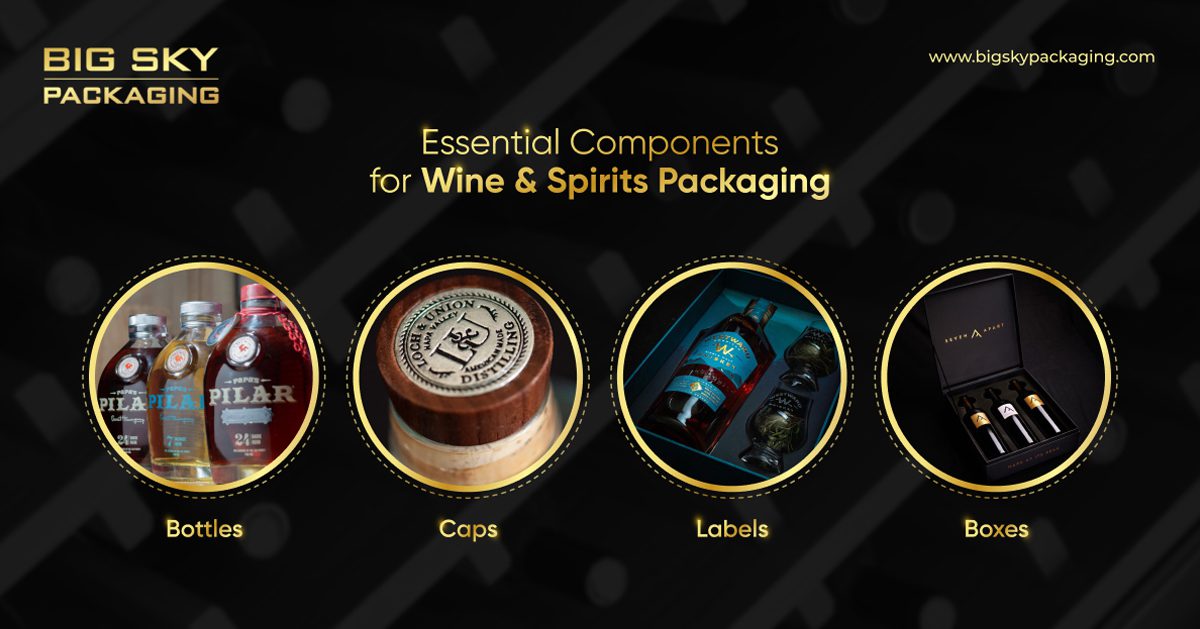
For wine and spirits brands, packaging can be used to make a statement and enhance the customer experience. Using specialized materials and custom shapes and sizes, brands are able to create visually stunning packaging that elevates the product and catches the eye of potential customers on the shelf. There are endless possibilities for custom shapes and sizes for bottles, caps, boxes and labels, which are essential components of an effective custom packaging design.
Boxes not only keep the product safe in transit, but can be used to create a unique customer experience with the added convenience of being able to store the product in a box. Creating custom boxes with an “unboxing” experience give each customer a little extra with each opening. Think of opening an iPhone and how you feel opening a $1,000 phone….
Labels are a critical part of making a statement and reinforce the brand message. Labels can be customized through color, texture and paper type to grab the attention of potential customers. The right label design can also help to ensure that product information is conveyed clearly and concisely.
Caps are another important component of custom packaging for wine and spirits brands. Caps can be designed to be stylish and eye-catching, but must also effectively keep the contents secure and alert customers to the seal intact. Specialized printing on the cap can also be used to present additional product information.
Bottles are the first element of wine and spirits packaging that customers see, so a bottle must make an unforgettable impression on potential customers. Unique shapes and sizes help customers identify the brand and set it apart from the competition. Specialized materials, such as recycled, biodegradable and eco-friendly materials, can also be used to give the product an environmentally-friendly element that resonates with consumers.
The experience makes the cost more palatable! Custom packaging is essential for elevating wine and spirits products and attracting customers in the market. By using unique shapes and sizes, specialized materials and custom printing, brands can create packaging that stands out and makes a memorable impression. Through effective custom packaging design, brands can set themselves apart and make sure their product is noticed on the shelf.
Frequently Asked Questions
Packaging protects the product, enhances shelf appeal, reinforces brand identity, and helps premium wine and spirits brands stand out in competitive retail environments.
Common packaging components include glass bottles, custom closures, labels, rigid boxes, folding cartons, and decorative finishing elements.
Premium packaging creates a stronger first impression and increases perceived product value, especially in luxury wine and spirits categories.
Current trends include sustainable materials, custom bottle decoration, premium closures, lightweight packaging, and enhanced unboxing experiences.
Brands should evaluate functionality, product protection, sustainability, shelf impact, and how well the packaging aligns with their overall brand story.
BIG SKY PACKAGING is proud to provide high-end packaging solutions to Seven Apart, located in the heart of Napa Valley.
When it comes to California winemakers, there are few with resumés as impressive as Andy Erickson’s. Having worked with some of Napa’s most celebrated wineries including Screaming Eagle, Harlan, Ovid, Mayacamas Vineyards, Dalla Valle, and Favia to name a few, his reputation speaks for itself. Andy is a leader in Napa’s next generation of highly prized Cabernet Sauvignon.
Seven Apart’s success is all due to our two vineyards Stags Ridge and Base Camp. While Stags Ridge sits atop a peak, Base Camp thrives on the majestic valley floor where the Silverado Trail meets Soda Canyon Road in Napa. The story of Seven Apart’s rise to the top is just as impressive.
Seven Apart Vineyard is led by acclaimed winemaker Andy Erickson, known for his work with some of Napa Valley’s most respected wineries including Screaming Eagle, Harlan, and Mayacamas Vineyards.
Seven Apart Vineyard is recognized for its premium Cabernet Sauvignon and vineyard locations including Stags Ridge and Base Camp, which contribute to the brand’s luxury wine identity.
BIG SKY PACKAGING collaborated with Seven Apart to engineer high-end wine packaging solutions that balanced luxury aesthetics, structural durability, and brand storytelling.
The brand required elegant wine packaging that could protect products during transit while maintaining a refined and premium unboxing experience across single bottle, six-bottle, and decanter packaging formats.
Premium packaging enhances perceived value, strengthens brand identity, and helps wineries create memorable customer experiences in a competitive luxury wine market.
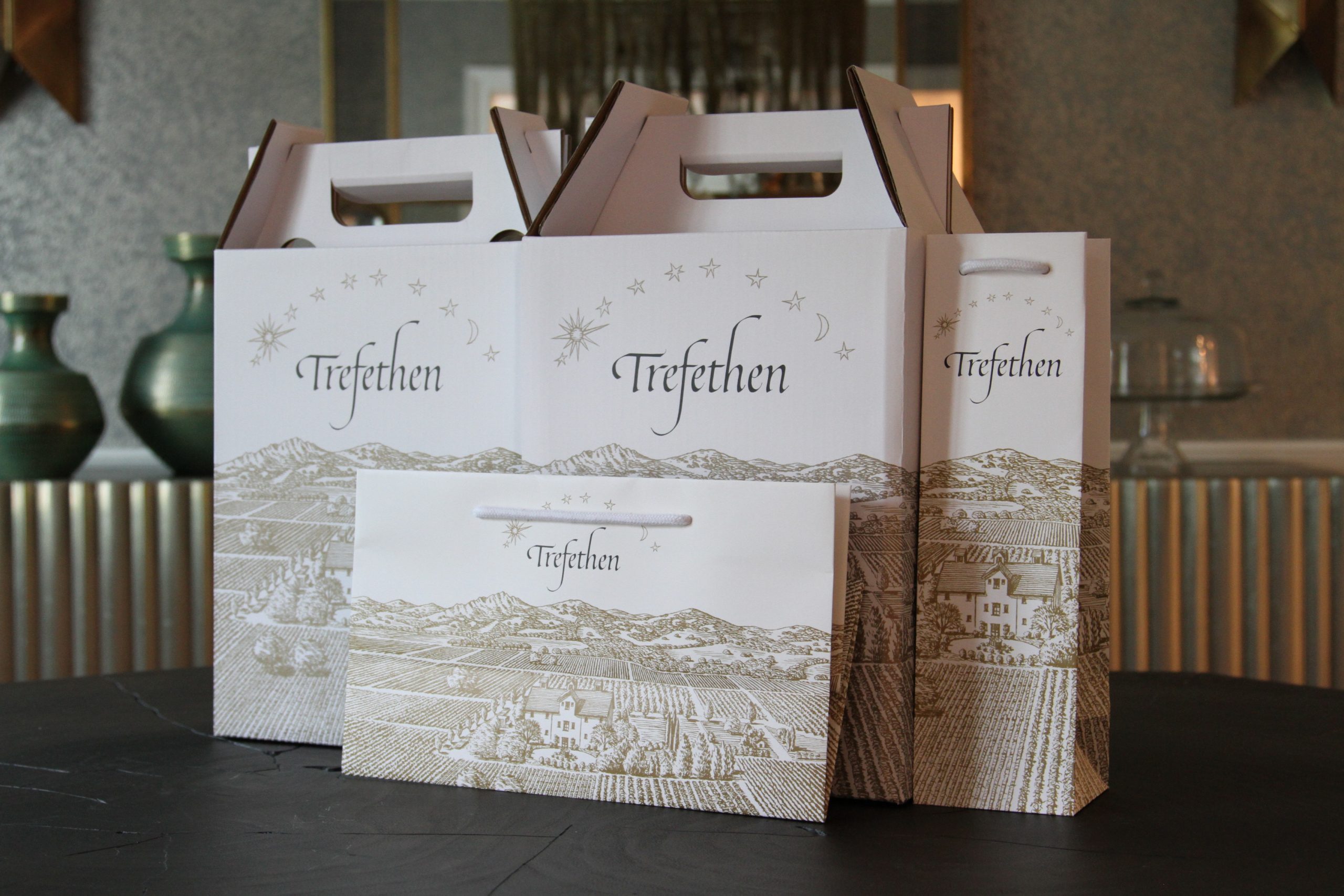
Trefethen Family Vineyards has long been recognized for its commitment to craftsmanship, heritage, and customer experience within Napa Valley.
That same attention to detail increasingly extends beyond the wine itself and into the packaging experience surrounding the brand.
In Napa Valley, packaging has always played a larger role than simply protecting the bottle. For wineries like Trefethen, packaging helps communicate quality, storytelling, and the overall emotional connection customers associate with the brand.
As wineries continue balancing direct-to-consumer growth, wine club retention, hospitality experiences, and increasing operational costs, packaging is becoming even more important across the customer journey.
At BIG SKY PACKAGING, we continue to see wineries place greater emphasis on packaging that supports both premium brand presentation and operational performance.
Packaging Is an Extension of the Winery Brand
For wineries such as Trefethen, packaging often serves as the first physical interaction customers have with the brand outside the tasting room.
Whether through:
wine club shipments
retail presentation
holiday gifting
corporate gifting
tasting room purchases
e-commerce programs
packaging directly influences how consumers perceive the winery and the overall customer experience.
Strong wine packaging should feel intentional, premium, and aligned with the winery’s identity.
Today’s consumers increasingly expect:
elevated unboxing experiences
sustainable packaging materials
cohesive branding across channels
durable and freight-efficient packaging
premium finishes and textures
packaging suitable for social sharing and gifting
For Napa Valley wineries competing in a highly experience-driven market, packaging has become an important differentiator.
Operational Planning Matters More Than Ever
At the same time, wineries continue facing operational pressures tied to:
freight volatility
material cost increases
production scheduling constraints
sustainability expectations
seasonal forecasting challenges
holiday packaging timelines
This is particularly important for wineries preparing for Q4 gifting programs, wine club releases, and seasonal promotions.
Early planning often helps wineries reduce rush charges, avoid expedited freight costs, and improve on-time delivery performance.
Packaging decisions made too late in the process can create unnecessary operational and financial strain during already demanding production periods.
How BIG SKY PACKAGING Supports Wineries
At BIG SKY PACKAGING, we work with wineries and beverage brands to develop both custom and stock packaging programs that support brand storytelling, customer experience, and operational efficiency.
For wineries like Trefethen, cohesive packaging can help reinforce the premium positioning consumers expect from established Napa Valley brands.
We support wineries through:
wine club packaging
rigid set-up boxes
folding cartons
tasting room packaging
retail packaging
e-commerce shipper solutions
molded pulp programs
sustainable packaging strategies
prototyping and engineering
QA/QC oversight
freight and logistics coordination
Our role extends beyond packaging production.
We help wineries evaluate how packaging impacts:
freight efficiency
customer retention
operational scalability
seasonal planning
sustainability initiatives
overall brand presentation
For many wineries, packaging is no longer viewed solely as a cost center. It is increasingly seen as part of the overall customer experience and long-term brand strategy.
Packaging Continues to Influence Customer Loyalty
Wine remains a highly emotional and experience-driven category, particularly within Napa Valley where brand heritage and presentation play such a significant role in customer perception.
Consumers continue seeking brands that feel authentic, thoughtful, and memorable.
Packaging plays a major role in reinforcing those perceptions.
From wine club deliveries to holiday gifting experiences, thoughtful packaging can help strengthen customer loyalty and improve brand perception long after the bottle has been opened.
At BIG SKY PACKAGING, we help wineries create packaging solutions that support both operational performance and elevated customer experiences.
To learn more about BIG SKY PACKAGING and our wine packaging capabilities, visit https://bigskypackaging.com.
Frequently Asked Questions
Premium rigid box packaging solutions designed for gifting and brand storytelling.
It enhances perceived value, provides protection, and elevates the unboxing experience.
Through refined materials, subtle finishes, and a heritage-driven design language.
It transforms the product into a complete experience rather than just a bottle.
Packaging is a critical extension of luxury wine branding.
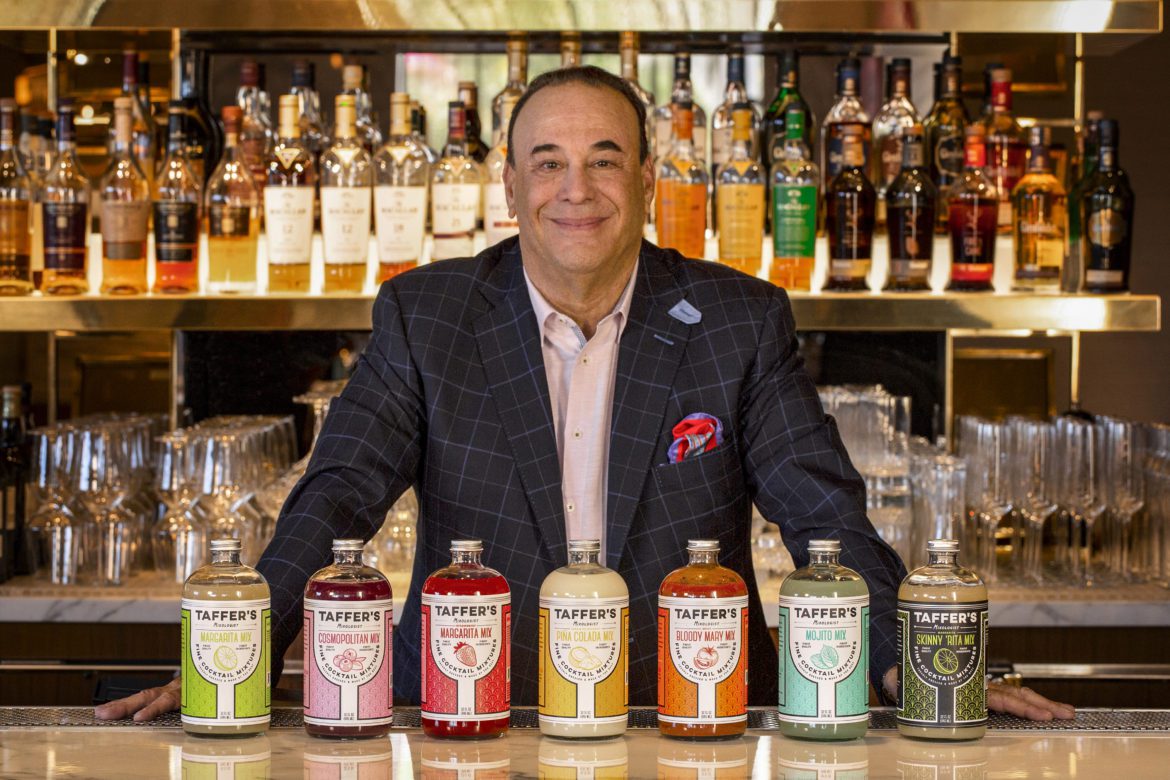
Taffer’s Mixologist, Created By ‘Bar Rescue’s Jon Taffer And Dr. Phil’s Son Jay McGraw
For the past 12 months BIG SKY PACKAGING has been working directly with the Taffer group, ultimately creating the perfect packaging solution for this non-alcoholic mixer in customized stock packaging.
Taffer’s Mixologist, created by Jon Taffer, host of Bar Rescue, and Dr. Phil’s son Jay McGraw, comes in seven flavors. Taffer’s Mixology collection of cocktails was unveiled recently on Dr. Phil, and the success is quickly gaining momentum.
With the help of the BIG SKY PACKAGING team; Taffer’s Mixologist launched seven non-alcoholic, pre-mixed bottles of ingredients co-developed with mixologist Brian Van Flandren. The available cocktails include Bloody Mary, Cosmopolitan, Margarita, Mojito, Piña Colada, Skinny Margarita, and Strawberry Margarita. To curb calories, the mixes are sweetened by a combination of cane sugar, stevia leaf extract, and monk fruit extract, along with other natural flavors and juices from the concentrate.
Each 32-ounce bottle retails for under $6.00 and contains nine to 13 servings, according to the brand, and is now available in retail stores nationwide, including Walmart.
Contact BIG SKY PACKAGING with specific inquiries for your brand packaging needs. From complete custom packaging to customized stock packaging, the BIG SKY PACKAGING team has you covered.
An outstanding rum by Frigate Rum Reserve, in custom spirits packaging, created by some of the industries finest rum makers.
Inspired by a 1600 era bottle discovered by the folks at Frigate Rum Reserve – and a world class rum maker (Don Pancho Fernandez) – this iconic rum is beginning to take the rum category to another level.
Immediately the eye catching asymetetric bottle shape, casted metal coin bottle plaque, wood cork stopper with laser engraved logo and vintage paper label demand your full attention. The rum itself reaffirms the exterior branding and packaging message, which is simply an old world unique flavor and balanced tasting experience. Proudly selected as the brands’ packaging partner for the creation and development of their custom packaging concepts, the BIG SKY PACKAGING team has worked side-by-side with Frigate Rum Reserve to bring this custom spirits packaging to market.
Visit Frigate Rum Reserve to learn more about this incredible brand’s story, inspiration, product and availability.
Custom glass bottle, custom metal bottle plaque, custom wood closure and vintage labels by BIG SKY PACKAGING. Contact BIG SKY PACKAGING today and learn how we can work as your in-house packaging partner.
Frequently Asked Questions
A premium custom packaging solution designed to reflect the heritage and richness of aged rum.
Through vintage-inspired design elements, typography, and material choices.
It signals quality and justifies higher price points.
Standing out in a crowded category while maintaining authenticity.
Packaging must visually reinforce the product’s story and aging process.