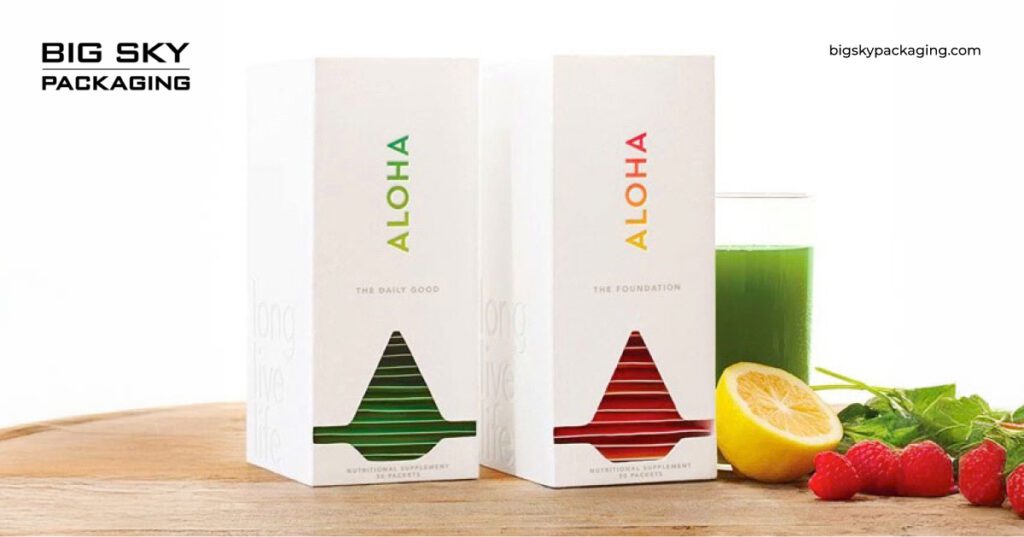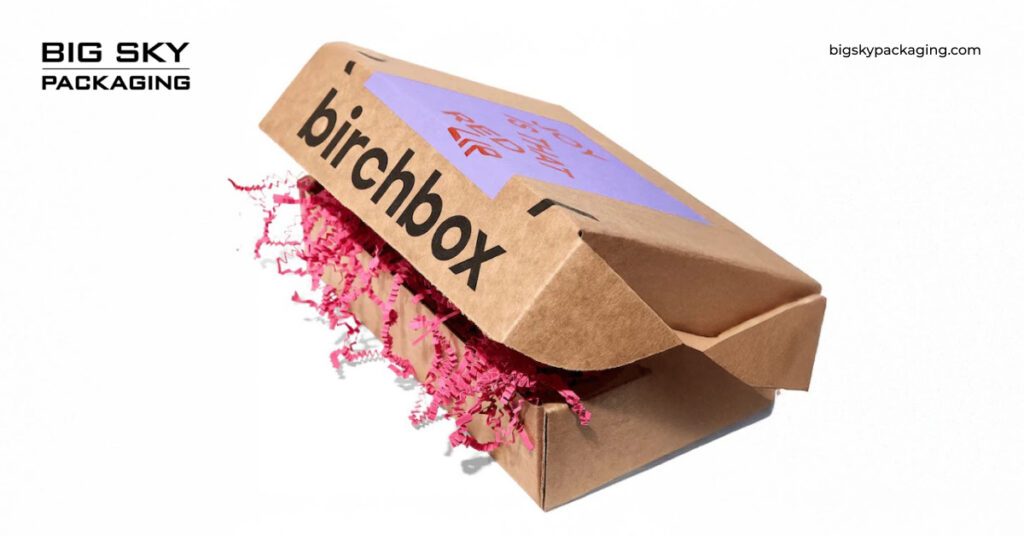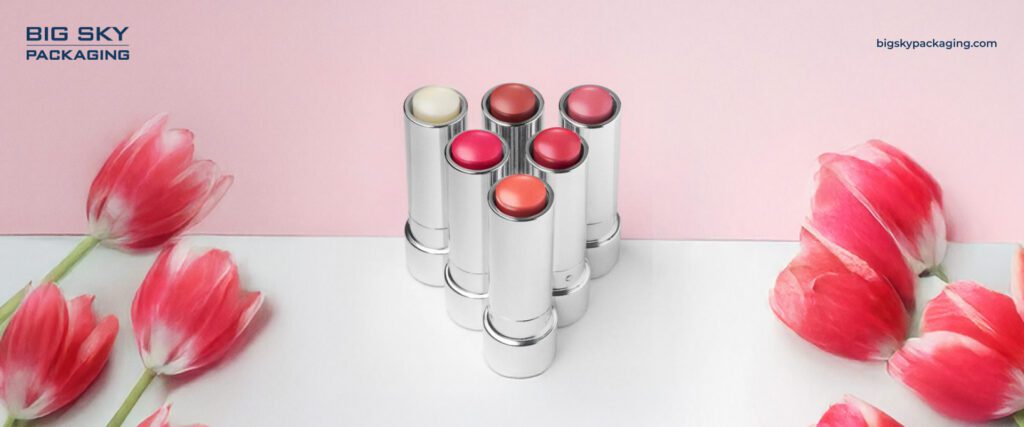
National Lipstick Day: The Packaging Behind One of Beauty’s Most Iconic Products

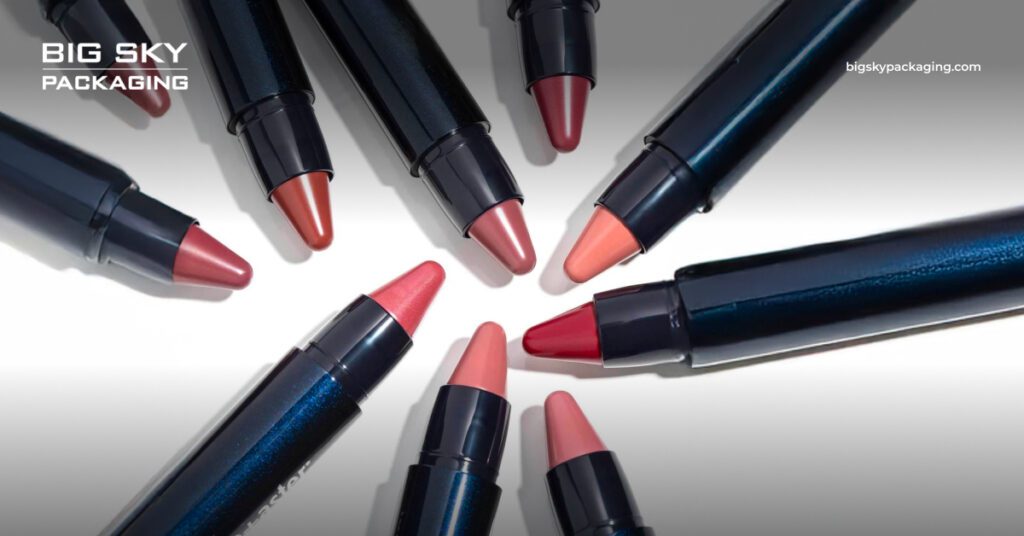
Every year on July 29, beauty enthusiasts celebrate National Lipstick Day—a tribute to one of the most recognizable and enduring products in the cosmetics industry.

From classic reds to modern nude palettes, lipstick has long been a symbol of self-expression, confidence, and personal style. While trends, shades, and formulations continue to evolve, one thing remains constant: packaging plays a critical role in how consumers experience and perceive a lipstick product.

For beauty brands, lipstick packaging is often far more than a container. It is an extension of the brand itself.

Why Lipstick Packaging Matters

Lipstick is one of the most tactile products in the beauty category. Consumers interact with it daily, carrying it in purses, displaying it on vanities, and reaching for it throughout the day.

Because of this frequent interaction, packaging becomes an important part of the customer experience.

A well-designed lipstick package can communicate:

  • Luxury and prestige
  • Brand identity
  • Product quality
  • Innovation
  • Sustainability initiatives

The weight of the component, the sound of the closure, the finish of the decoration, and the overall design all contribute to how consumers perceive the product inside.

In many cases, packaging helps create an emotional connection before the lipstick is ever applied.

Luxury Packaging Continues to Drive Consumer Perception

Today’s beauty consumers are looking for more than performance alone. They are seeking products that feel special and create memorable experiences.

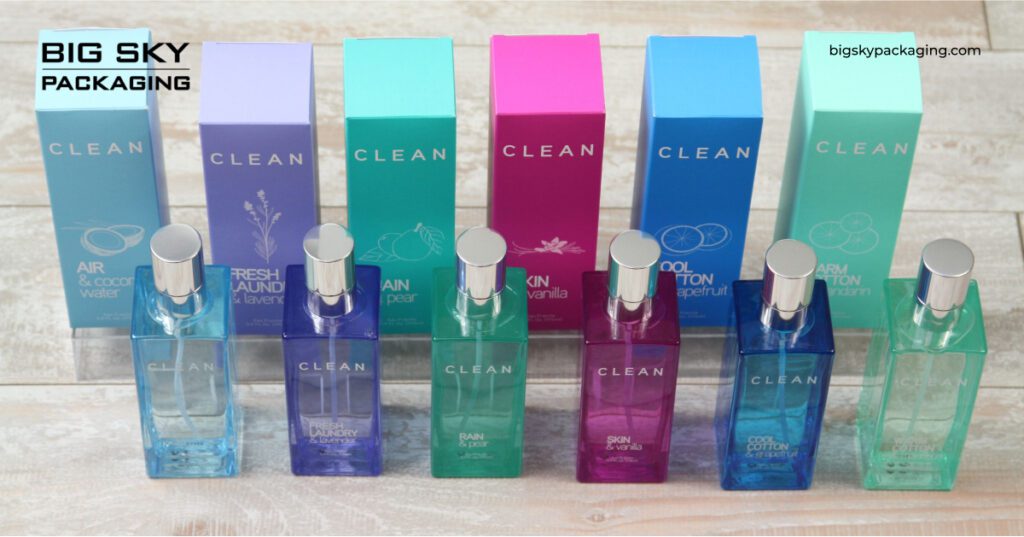
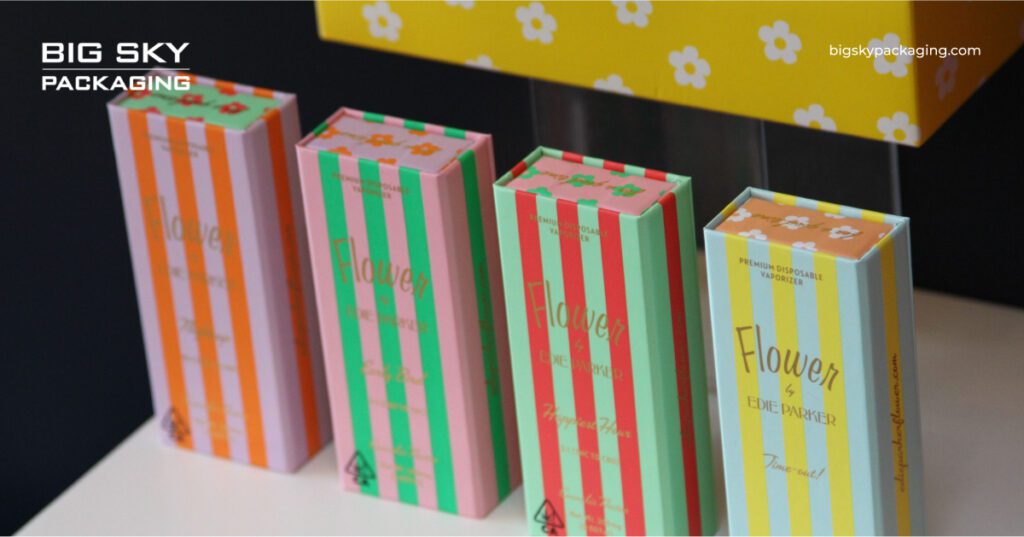
Premium materials, custom decoration, metallic finishes, soft-touch coatings, and distinctive component designs continue to shape purchasing decisions across prestige beauty.

Many of the industry’s most successful lipstick launches combine strong formulation with packaging that reflects the brand’s positioning and values.

Whether minimalist and modern or bold and expressive, packaging remains one of the strongest visual signals of quality.

Real Examples from BIG SKY PACKAGING

Over the years, BIG SKY PACKAGING has partnered with beauty brands to develop packaging solutions that help products stand out in a highly competitive market.

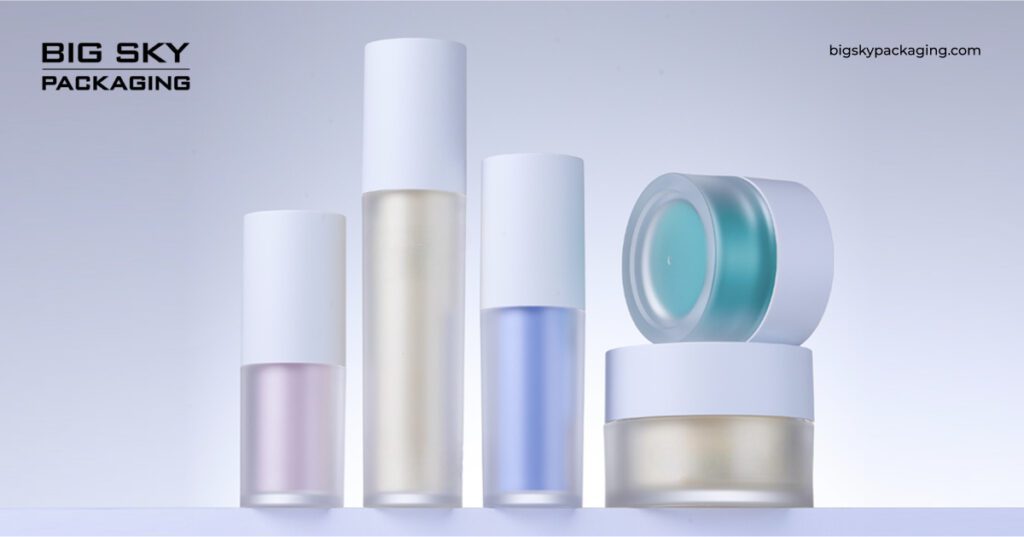
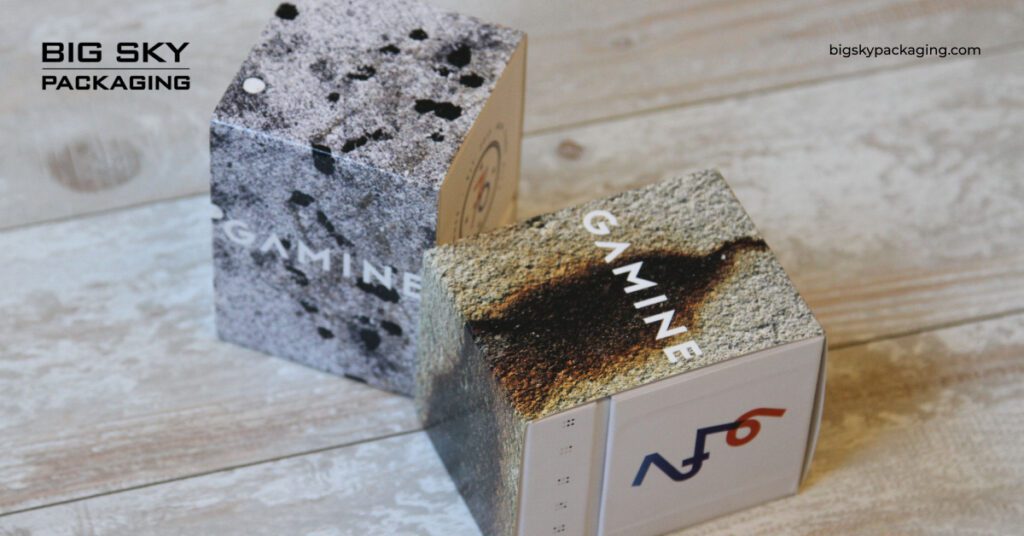
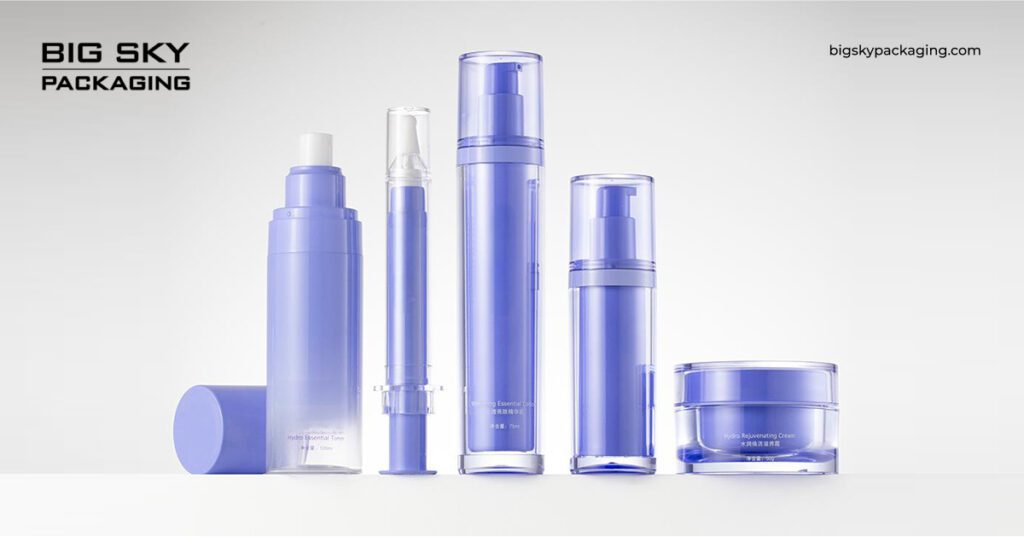
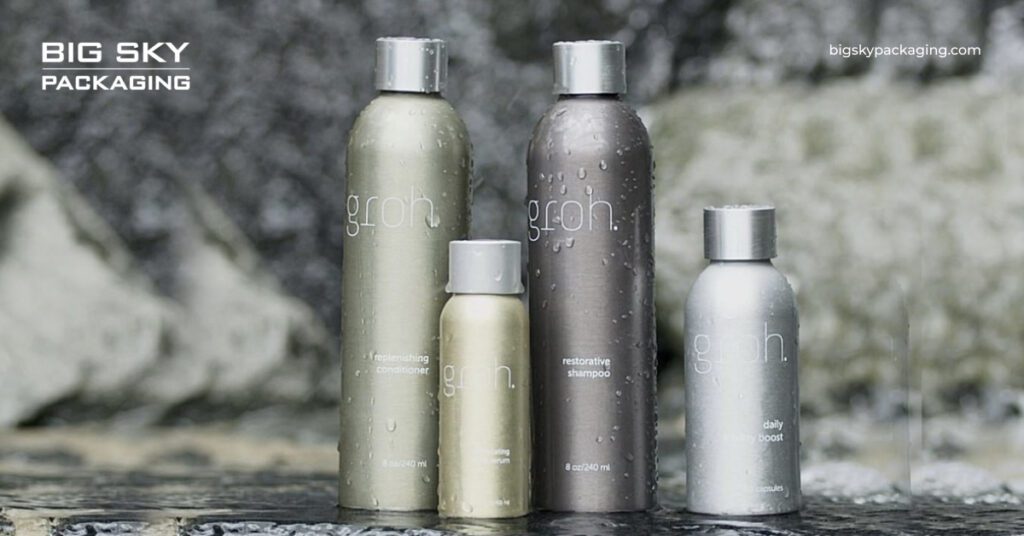
One example is our work supporting luxury beauty brands through custom aluminum packaging solutions. Aluminum components offer a premium feel while providing durability, customization opportunities, and increasing interest from brands focused on sustainability.

We have also worked with brands seeking elevated decorative techniques, including custom anodized finishes, metallic accents, and unique color treatments that help reinforce brand identity and create a memorable consumer experience.

In the color cosmetics category, visual differentiation is especially important. Packaging often serves as the first point of engagement between the consumer and the brand, making thoughtful design decisions critical to launch success.

The Rise of Sustainable Color Cosmetics Packaging

National Lipstick Day also highlights a growing trend within the beauty industry: the demand for more sustainable packaging solutions.

Consumers are increasingly paying attention to:

  • Refillable packaging systems
  • Recyclable materials
  • Lightweight components
  • Reduced packaging waste
  • PCR material integration
  • Aluminum packaging alternatives

As a result, many beauty brands are exploring ways to balance sustainability goals with the premium aesthetics consumers expect from prestige cosmetics.

This shift is helping drive innovation throughout the packaging industry and creating new opportunities for brands to differentiate themselves.

Packaging as Part of the Brand Story

Lipstick has always been about more than color. It represents confidence, creativity, individuality, and self-expression.

Packaging plays an important role in communicating those qualities. The best packaging designs help tell a story, create anticipation, and transform a simple daily routine into a meaningful experience.

As beauty brands continue to evolve, packaging will remain one of the most powerful tools for building brand recognition and consumer loyalty.

Celebrating an Iconic Beauty Category

On National Lipstick Day, we celebrate not only the product itself but also the creativity, innovation, and craftsmanship that bring beauty brands to life.

From luxury aluminum components and custom decorative finishes to sustainable packaging innovations and elevated consumer experiences, packaging continues to shape how consumers discover, experience, and remember their favorite beauty products.

At BIG SKY PACKAGING, we are proud to support beauty brands as they develop packaging solutions that reflect the creativity and innovation that make the beauty industry so dynamic.

Happy National Lipstick Day.

DTC Wine Shipping & Ecommerce Packaging Guide

How Modern Wineries Can Protect Bottles, Elevate Brand Experiences, and Grow Direct-to-Consumer Sales

By BIG SKY PACKAGING

Introduction

Direct-to-consumer (DTC) wine sales have fundamentally changed how wineries connect with customers.

Today’s consumers increasingly discover wines online, join wine clubs, purchase limited releases through email campaigns, and receive shipments directly at their homes. While this shift creates tremendous opportunities for wineries to strengthen customer relationships and improve margins, it also introduces new challenges.

Unlike a tasting room visit or retail purchase, a DTC shipment often serves as the first physical interaction a customer has with a winery. The shipping box becomes the storefront. The unboxing experience becomes part of the brand story.

This means ecommerce packaging must accomplish far more than simply protecting bottles during transit.

Successful DTC wine packaging must:

  • Prevent damage during shipping
  • Create a memorable first impression
  • Reinforce brand identity
  • Support customer retention
  • Encourage repeat purchases
  • Enhance wine club experiences
  • Reflect sustainability goals

For wineries investing in direct-to-consumer growth, packaging has become one of the most important customer experience tools available.

Why DTC Packaging Matters More Than Ever

When customers order directly from a winery, expectations are different.

Consumers are no longer comparing your experience solely against other wineries. They are comparing it to every ecommerce experience they have—from luxury retailers to subscription services and premium consumer brands.

The moment a shipment arrives, customers begin forming opinions.

Questions they may subconsciously ask include:

  • Does this feel premium?
  • Was this worth the price?
  • Does this reflect the quality of the wine inside?
  • Would I send this as a gift?
  • Do I want to order again?

The answers often begin with packaging.

A damaged shipment, generic box, or uninspired presentation can diminish the overall experience, even when the wine itself is exceptional.

Conversely, thoughtfully designed packaging can strengthen perceived value and create emotional connections that encourage repeat purchases.

The Three Jobs of DTC Wine Packaging

The most successful ecommerce packaging programs accomplish three objectives simultaneously.

1. Protection

First and foremost, packaging must protect wine throughout the shipping process.

Wine shipments encounter:

  • Conveyor systems
  • Distribution centers
  • Delivery vehicles
  • Temperature fluctuations
  • Handling by multiple carriers

Packaging failures result in:

  • Product loss
  • Replacement costs
  • Customer dissatisfaction
  • Negative reviews
  • Lost future sales

Structural engineering should always be the foundation of a successful packaging program.

2. Brand Experience

Once protection requirements are met, packaging becomes a branding opportunity.

Elements that reinforce brand perception include:

  • Custom graphics
  • Premium printing
  • Branded inserts
  • Personalized messaging
  • Thoughtful presentation

The goal is to transform a shipping carton into an extension of the winery itself.

3. Customer Retention

Every shipment represents an opportunity to strengthen the customer relationship.

Packaging can encourage:

  • Social sharing
  • Wine club renewals
  • Additional purchases
  • Referrals
  • Gift purchases

For many wineries, customer retention generates significantly greater long-term value than new customer acquisition.

Choosing the Right Shipping Packaging Format

Not all wine shipments have the same requirements.

The optimal packaging solution often depends on order size, shipping destination, and customer expectations.

Single Bottle Shipments

Single bottle shipments are increasingly common for:

  • Sample programs
  • Limited releases
  • Influencer outreach
  • Corporate gifting

Packaging should balance protection with presentation while avoiding excessive material usage.

Two- and Three-Bottle Shipments

These formats are popular for:

  • Gift purchases
  • Seasonal promotions
  • New customer acquisition

Presentation often becomes more important in these smaller-format shipments.

Six- and Twelve-Bottle Shipments

These remain the backbone of many wine club and DTC programs.

Priorities include:

  • Structural strength
  • Shipping efficiency
  • Cost management
  • Consistent branding

The Wine Club Packaging Advantage

Many wineries invest heavily in acquiring wine club members but overlook the ongoing shipment experience.

Every wine club shipment is a retention opportunity.

Members should immediately recognize your brand when a shipment arrives.

Effective wine club packaging often includes:

  • Branded shipping cartons
  • Seasonal messaging
  • Tasting notes
  • Food pairing suggestions
  • Winemaker letters
  • Event invitations

The objective is to create anticipation before a bottle is ever opened.

The most successful wine clubs create experiences rather than simply delivering products.

Creating Memorable Unboxing Experiences

Consumers increasingly share products online.

Wine is no exception.

A memorable unboxing experience can extend the reach of your marketing efforts and generate organic exposure.

Consider incorporating:

Custom Printed Packaging

Branded graphics immediately differentiate shipments from generic ecommerce deliveries.

Storytelling Elements

Include content that reinforces your winery’s history, philosophy, and values.

Premium Materials

Textured papers, specialty finishes, and high-quality printing help communicate quality.

Personalization

Simple touches can make customers feel recognized and appreciated.

The goal is not complexity. It is creating moments that customers remember.

Sustainability and Wine Shipping

Sustainability remains a priority for many wineries and consumers.

Fortunately, sustainable packaging no longer requires sacrificing performance or aesthetics.

Popular solutions include:

FSC-Certified Paperboard

Supports responsible forestry practices while maintaining premium presentation.

Recyclable Corrugated Structures

Widely accepted and easily recyclable.

Molded Pulp Inserts

Provide bottle protection while reducing reliance on certain foam materials.

Material Optimization

Thoughtful structural design can reduce material usage and shipping costs simultaneously.

Consumers increasingly appreciate sustainability efforts when they are practical, transparent, and aligned with overall brand values.

Packaging for Winery Gift Programs

Gift purchases represent one of the largest opportunities for DTC growth.

Whether for holidays, client appreciation, birthdays, or special occasions, packaging often influences gifting decisions.

Successful wine gifting programs focus on:

  • Premium presentation
  • Easy shipping
  • Brand storytelling
  • Gift-ready experiences

A bottle of wine may be the product, but the packaging often determines whether it feels like a gift.

Luxury presentation boxes, custom inserts, and elevated packaging materials can significantly enhance perceived value.

Common DTC Packaging Mistakes

Even experienced wineries sometimes overlook critical packaging considerations.

Treating Packaging as a Cost Rather Than an Investment

Packaging directly influences customer experience and retention.

Waiting Too Long to Plan

Holiday and wine club packaging programs require significant lead time.

Overlooking Brand Storytelling

Packaging should communicate more than logistics.

Focusing Only on Protection

Protection is essential, but customer experience matters too.

Using One Solution for Every Need

Different sales channels often require different packaging strategies.

Future Trends in Wine Ecommerce Packaging

Several trends continue to shape DTC wine programs in 2026.

Elevated Wine Club Experiences

Wineries are investing more heavily in member engagement and presentation.

Luxury Gifting Programs

Premium packaging continues gaining importance.

Sustainability

Consumers increasingly expect environmentally responsible solutions.

Brand Storytelling

Packaging is becoming a more active marketing channel.

Personalization

Customized messaging and tailored experiences continue growing.

As direct-to-consumer sales evolve, packaging will play an increasingly important role in differentiating wineries from competitors.

How BIG SKY PACKAGING Supports DTC Wine Programs

At BIG SKY PACKAGING, we help wineries create packaging solutions that balance protection, presentation, and operational efficiency.

Our team supports:

  • Wine club packaging
  • Ecommerce shipping programs
  • Corporate gifting
  • Luxury presentation boxes
  • Folding cartons
  • Corrugated shipping solutions
  • Sustainable packaging initiatives
  • Custom inserts and branded materials

Through engineering, development, production management, quality oversight, and logistics coordination, we help wineries create packaging experiences that strengthen customer relationships and support long-term growth.

Final Thoughts

As direct-to-consumer wine sales continue to expand, packaging has become much more than a shipping requirement.

It is a customer experience tool.

It is a retention strategy.

It is a brand-building opportunity.

And increasingly, it is one of the most important touchpoints between wineries and consumers.

The wineries that succeed in the years ahead will be those that view packaging not simply as a way to deliver wine, but as a way to deliver their brand.

Because long before a customer tastes the wine, they experience the packaging.

Frequently Asked Questions

Packaging is often the first physical interaction customers have with a winery. It influences brand perception, customer satisfaction, and repeat purchases.

Effective DTC packaging must protect bottles during transit, enhance the brand experience, and support customer retention.

Branded packaging, personalized messaging, storytelling elements, and premium materials can create memorable customer experiences.

Custom packaging reinforces brand identity, elevates perceived value, and helps strengthen member loyalty and retention.

Using recyclable materials, molded pulp inserts, and optimized structural designs can reduce environmental impact without sacrificing performance.

Common mistakes include focusing only on protection, delaying packaging planning, and overlooking branding and customer experience opportunities.

Wine Club Growth & Retention Guide for Wineries

How Modern Wineries Can Build Stronger Membership Programs Through Experience, Packaging, and Customer Engagement

Introduction

For many wineries, wine clubs have evolved from a supplemental sales channel into one of the most important drivers of long-term profitability.

Unlike tasting room visitors or one-time online purchasers, wine club members provide recurring revenue, stronger customer loyalty, higher average order values, and more predictable cash flow. They often become a winery’s most valuable customers and strongest brand advocates.

Yet despite the importance of wine clubs, many wineries continue to face challenges with member acquisition, engagement, and retention.

Today’s consumers have more choices than ever. They subscribe to streaming services, meal kits, coffee clubs, beauty subscriptions, and countless other membership programs competing for their attention and discretionary spending.

As a result, wineries can no longer rely on discounts alone to build successful wine clubs.

The wineries experiencing the strongest growth in 2026 are creating experiences—not simply shipments.

This guide explores practical strategies wineries can use to attract new members, strengthen engagement, improve retention, and increase the lifetime value of their wine club programs.

Chapter 1

Why Wine Clubs Matter More Than Ever

Wine clubs remain one of the most effective ways for wineries to build direct relationships with consumers.

Benefits include:

While wholesale channels continue to play an important role, wine clubs allow wineries to maintain direct ownership of the customer relationship.

This direct connection provides valuable insights into purchasing behavior while creating opportunities for personalized marketing and long-term engagement.

For many premium wineries, wine club members account for a significant percentage of annual revenue despite representing a relatively small portion of the overall customer base.

Chapter 2

Understanding Why Members Join

Many wineries focus heavily on what members receive.

The best programs focus equally on why members join.

Consumers typically enroll in wine clubs for one or more of the following reasons:

Access

Members want access to limited-production wines, library vintages, and exclusive releases.

Convenience

Automatic shipments remove the burden of shopping and decision-making.

Community

Many members want to feel connected to a winery and its story.

Recognition

People appreciate being treated differently than the general public.

Experiences

Events, tastings, hospitality benefits, and educational opportunities often drive membership decisions.

Understanding these motivations helps wineries create programs that deliver meaningful value beyond the wine itself.

Chapter 3

First Impressions Matter

The first shipment often determines whether a member remains engaged.

Many wineries spend considerable effort attracting new members but overlook the onboarding experience.

The first delivery should reinforce the decision to join.

Consider including:

A strong onboarding experience helps establish emotional connection and creates excitement for future shipments.

Chapter 4

The Packaging Opportunity Most Wineries Overlook

Every wine club shipment serves as a physical representation of the winery.

Before a bottle is opened, members are already evaluating the experience.

Packaging influences:

Many wineries focus heavily on the wine selection while treating packaging as a purely functional requirement.

The most successful wine clubs understand that packaging is part of the product experience.

What Great Wine Club Packaging Accomplishes

Creates Anticipation

Members should immediately recognize a shipment from your winery.

Reinforces Brand Identity

Packaging should reflect the personality and positioning of the winery.

Supports Storytelling

Every shipment is an opportunity to deepen the relationship.

Encourages Sharing

Exceptional packaging often generates social media content and referrals.

Elevates Perceived Value

Premium presentation can significantly influence how customers perceive the wines inside.

In today’s direct-to-consumer environment, the shipping box has become an extension of the tasting room.

Chapter 5

Building Emotional Connections Through Storytelling

Wine has always been about stories.

The vineyard.
The winemaker.
The vintage.
The region.

Wine clubs provide a unique opportunity to bring those stories directly into customers’ homes.

Ideas include:

Seasonal Narratives

Highlight what is happening in the vineyard throughout the year.

Winemaker Insights

Share perspectives on vintages and production decisions.

Behind-the-Scenes Content

Give members access to information unavailable elsewhere.

Food Pairing Experiences

Create memorable occasions around each shipment.

Member Recognition

Celebrate anniversaries and loyalty milestones.

The more emotionally connected members feel to a winery, the less likely they are to cancel.

Chapter 6

Increasing Retention Through Exclusive Experiences

One of the biggest mistakes wineries make is focusing exclusively on product benefits.

Successful wine clubs create experiential value.

Examples include:

Member-Only Events

Virtual tastings, release parties, and winery experiences.

Early Access Releases

Reward loyalty with priority access.

Winemaker Sessions

Direct interaction with the people behind the wines.

Hospitality Benefits

Preferred reservations, complimentary tastings, and special access.

Harvest Experiences

Create opportunities for deeper engagement with the brand.

The goal is to make membership feel meaningful even between shipments.

Chapter 7

Reducing Wine Club Churn

Member cancellations are inevitable.

However, many common causes can be addressed proactively.

Common Churn Drivers

Lack of Engagement

Members forget why they joined.

Price Sensitivity

Economic conditions impact discretionary spending.

Shipment Fatigue

Programs become predictable.

Limited Communication

Members feel disconnected from the winery.

Poor Delivery Experiences

Packaging failures and damaged shipments create frustration.

Retention Strategies

Retention often depends on maintaining relevance between shipments.

Chapter 8

Using Packaging to Drive Referrals and Social Sharing

Consumers increasingly share experiences online.

Wine clubs that create memorable unboxing moments benefit from additional exposure and word-of-mouth marketing.

Ideas include:

Branded Packaging

Create immediate visual recognition.

Seasonal Themes

Keep shipments fresh and interesting.

Premium Printed Materials

Enhance storytelling opportunities.

Surprise Inserts

Unexpected additions can generate excitement.

Gift-Worthy Presentation

Members often share experiences that feel elevated and thoughtful.

A single wine club shipment may be seen by family members, friends, coworkers, and social media audiences.

Chapter 9

Corporate Gifting and Wine Club Expansion

Many wineries overlook corporate gifting as a wine club growth strategy.

Existing members often represent valuable referral opportunities.

Encourage members to:

Gift recipients frequently become future members themselves.

This creates a natural pipeline for club growth.

Chapter 10

Planning for Long-Term Growth

Wine club success rarely happens by accident.

The strongest programs are intentionally designed around:

As competition increases across subscription categories, wineries must continue creating value beyond the bottle.

The wineries that thrive in the coming years will be those that focus on building relationships rather than simply shipping wine.

How BIG SKY PACKAGING Supports Wine Club Growth

At BIG SKY PACKAGING, we work with wineries to develop packaging programs that support member retention, strengthen brand perception, and enhance the direct-to-consumer experience.

Our team helps wineries create:

From structural design and engineering to production and quality management, we help wineries create packaging experiences that reflect the quality of the wines inside.

Because every shipment is an opportunity to strengthen a customer relationship.

Final Thought

Wine club growth is not simply about acquiring new members.

It is about creating experiences that encourage members to stay, engage, refer others, and deepen their connection to your winery over time.

The strongest wine clubs combine exceptional wine with thoughtful hospitality, compelling storytelling, and memorable packaging experiences.

In an increasingly competitive marketplace, those elements can become powerful differentiators.

For modern wineries, retention is no longer just a sales metric.

It is a reflection of the experience you deliver every time a shipment arrives at a member’s doorstep.

Frequently Asked Questions

Wine clubs generate recurring revenue, increase customer lifetime value, and create stronger direct relationships with consumers

Consistent engagement, exclusive experiences, personalized communication, and memorable customer experiences are key retention drivers.

Premium packaging enhances perceived value, strengthens brand identity, and creates memorable unboxing experiences that encourage loyalty.

Lack of engagement, poor delivery experiences, limited communication, and predictable programs often lead to member cancellations.

Referral programs, gift-worthy packaging, exclusive events, and exceptional member experiences can help turn members into brand advocates.

Experiences create deeper emotional connections, making members more likely to remain loyal and engage with the winery long term.

Planning Q4 Wine Packaging Early: How Wineries Can Avoid Rush Charges, Freight Premiums, and Production Delays

For wineries, the transition into Q3 often signals the beginning of one of the most operationally demanding periods of the year.

Holiday gifting programs, wine club allocations, tasting room promotions, and seasonal retail initiatives all begin converging within a relatively short production window. At the same time, packaging supply chains experience increased pressure from elevated demand, freight congestion, and tighter manufacturing schedules.

Yet despite these recurring challenges, many wineries still begin packaging development too late in the cycle — often resulting in unnecessary rush charges, expensive air freight, production compromises, and delayed deliveries during the most important selling season of the year.

Early planning is no longer simply a best practice. Increasingly, it is a competitive advantage.

Why Q4 Packaging Planning Needs to Start Earlier Than Most Wineries Expect

Holiday packaging programs typically involve more complexity than standard operational packaging.

Seasonal wine club shipments, corporate gifting initiatives, tasting room exclusives, and limited-edition releases often require:

Each additional customization layer increases production complexity and lead time requirements.

For wineries relying on overseas production or highly customized packaging formats, timelines can extend significantly once sampling, revisions, approvals, manufacturing, and freight transit are factored into the schedule.

Many wineries underestimate how quickly these timelines compress once harvest season, holiday fulfillment, and year-end promotions begin overlapping operationally.

Typical Lead Times for Custom Wine Packaging

2

While timelines vary depending on structure, decoration, material availability, and manufacturing region, wineries should generally expect the following lead time ranges:

These timelines often do not include:

This is where many wineries encounter problems.

A packaging program that appears manageable in early summer can quickly become compressed by late Q3, forcing teams into expedited manufacturing schedules or costly freight decisions.

Why Late Approvals Lead to Expensive Freight and Production Costs

One of the most common operational mistakes wineries make is delaying final approvals.

Internal stakeholder reviews, artwork revisions, changing forecasts, and shifting promotional timelines frequently push decision-making later into the production cycle. Unfortunately, every delay narrows manufacturing flexibility.

Once production schedules become compressed, wineries often face:

Air freight alone can dramatically increase total landed cost.

Depending on shipment size and destination, air freight can add anywhere from $0.50 to $2.00 or more per unit compared to ocean freight alternatives. Across larger holiday programs, these costs can escalate quickly.

Beyond cost, expedited timelines also increase operational risk. Faster production windows leave less room for quality inspections, testing, and contingency planning.

Forecasting for Wine Clubs, Hospitality, and Corporate Gifting

3

Accurate forecasting plays a critical role in successful Q4 packaging execution.

Wineries today are managing multiple fulfillment channels simultaneously:

Each channel may require different packaging formats, inventory levels, and fulfillment timing.

The earlier wineries begin forecasting projected packaging requirements, the more flexibility they retain across sourcing, logistics, and production scheduling.

Early forecasting also creates opportunities for:

For wineries with growing DTC programs, this becomes particularly important during the holiday season when customer expectations and order volumes both increase significantly.

The Benefits of Consolidating Packaging Suppliers

Another challenge many wineries face is fragmented packaging management.

Different suppliers often manage:

While this approach may appear manageable initially, it frequently creates operational inefficiencies during high-volume periods.

Working with multiple suppliers can lead to:

Consolidating packaging development through a strategic packaging partner can simplify project management significantly.

A centralized packaging strategy improves:

For wineries operating lean internal teams, this operational simplification often becomes just as valuable as the packaging itself.

Common Mistakes Wineries Make with Seasonal Packaging Programs

4

Several operational patterns consistently create avoidable issues during Q4 packaging execution:

Waiting too long to finalize forecasts

Forecast uncertainty is common, but delaying entirely often creates greater operational risk later.

Over-customizing late-stage projects

Complex packaging structures require additional development and approval time.

Underestimating freight timelines

Holiday shipping congestion impacts both domestic and international freight reliability.

Prioritizing lowest upfront cost over total landed cost

Rush charges, split shipments, and air freight frequently eliminate perceived savings.

Failing to align packaging with fulfillment operations

Packaging that looks premium but slows fulfillment efficiency can create downstream bottlenecks.

Not building contingency time into schedules

Even well-managed projects encounter revisions, transit variability, or operational delays.

How Early Planning Improves Delivery Performance and Reduces Total Cost

The wineries that consistently execute strong holiday packaging programs are typically those that begin planning earlier than competitors.

Early planning creates several measurable advantages:

In many cases, early planning can reduce total packaging program costs by approximately 8–15% by avoiding expedited production fees and premium freight decisions.

Equally important, it allows wineries to protect customer experience during the most visible shipping period of the year.

How BIG SKY PACKAGING Helps Wineries Navigate Q4 Packaging Complexity

At BIG SKY PACKAGING, we help wineries proactively manage the operational and supply chain challenges that often emerge during Q4 packaging programs.

Our role extends beyond supplying packaging components. We work as an extension of a winery’s internal team — helping oversee structural development, supplier coordination, production management, quality control, and logistics execution from concept through final delivery.

Because we maintain a diversified global manufacturing network across North America, Europe, South America, and Asia, we are able to provide flexible sourcing strategies based on:

This flexibility helps wineries avoid many of the common bottlenecks that emerge during peak holiday production cycles.

BIG SKY PACKAGING also helps wineries consolidate packaging programs across multiple initiatives — including wine club shipments, tasting room packaging, retail displays, gift sets, and e-commerce fulfillment — creating stronger operational consistency and more streamlined logistics management.

Our team works closely with wineries to evaluate:

Most importantly, we help wineries plan earlier and execute more strategically — reducing the likelihood of costly last-minute decisions that impact both margins and customer experience.

Early Planning Is Ultimately About Protecting the Customer Experience

For wineries, holiday packaging is not simply an operational task. It directly influences customer perception, gifting behavior, wine club retention, and brand reputation during one of the most important sales periods of the year.

The wineries that plan earlier typically gain more control over cost, timelines, logistics, and overall execution quality.

And in today’s increasingly competitive direct-to-consumer wine market, operational consistency

Frequently Asked Questions

Early planning helps avoid rush charges, freight premiums, and production delays. It also improves supplier availability and delivery timelines.

Late approvals often lead to expedited production costs, limited material options, and expensive air freight decisions.

Accurate forecasting supports better inventory planning, smoother logistics coordination, and reduced emergency reorders during peak season.

Custom packaging involves structural development, sampling, decoration, approvals, and freight transit, all of which extend timelines.

Planning earlier allows wineries to use standard freight methods, consolidate shipments, and avoid costly last-minute logistics solutions.

A centralized packaging strategy improves brand consistency, simplifies coordination, and creates stronger quality and timeline control.

International Plastic Bag Free Day: What It Means for Beauty and Wine Packaging in 2026

Every year on July 3, International Plastic Bag Free Day encourages individuals and businesses to rethink how materials are used, consumed, and ultimately discarded. While the day is often associated with reducing single-use shopping bags, its message extends far beyond retail checkout counters.

For the beauty and wine industries, it serves as an opportunity to evaluate packaging choices, explore innovative materials, and consider how packaging can support both sustainability goals and premium brand experiences.

As consumer expectations continue to evolve, brands are increasingly looking for ways to reduce unnecessary waste while maintaining the quality, functionality, and aesthetics that define their products.

Sustainability Is No Longer a Niche Initiative

Consumers today are more informed than ever about packaging materials and environmental impact. They are asking questions about recyclability, material sourcing, refillability, and overall packaging waste.

At the same time, brands face the challenge of balancing sustainability with performance, product protection, and customer experience.

The goal is not necessarily to eliminate all plastic. In many applications, plastic remains the most practical and responsible material due to its durability, lightweight nature, and ability to protect product integrity. Instead, many brands are focusing on reducing unnecessary materials, increasing recyclability, and making smarter packaging decisions throughout the supply chain.

Opportunities in Beauty Packaging

The beauty industry has become one of the most innovative sectors when it comes to sustainable packaging development.

Many brands are exploring:

These initiatives help brands lower material consumption while creating packaging experiences that align with modern consumer values.

Importantly, sustainability and luxury no longer have to compete. Today’s beauty consumers increasingly expect both.

Premium finishes, thoughtful structural design, and responsible material choices can work together to create packaging that feels elevated while supporting environmental objectives.

The Wine Industry’s Packaging Evolution

Wine brands are facing many of the same conversations.

Historically, wine packaging has relied heavily on glass, corrugated shipping materials, and secondary packaging. While these formats remain essential, wineries are increasingly evaluating opportunities to improve efficiency and reduce waste throughout the customer journey.

Areas of innovation include:

For wineries, sustainability is often closely tied to brand storytelling. Consumers increasingly want to understand not only what is in the bottle, but also how the brand approaches environmental responsibility.

Packaging as Part of a Larger Brand Story

International Plastic Bag Free Day serves as a reminder that packaging decisions influence more than operational costs and logistics. They also shape consumer perceptions.

Whether a customer is opening a luxury skincare product, receiving a wine club shipment, or purchasing a gift set, packaging communicates a brand’s values before the product is even used.

Thoughtful packaging can demonstrate innovation, responsibility, quality, and attention to detail.

As sustainability continues to influence purchasing decisions across both beauty and wine categories, brands that take a proactive approach to packaging development will be well positioned for the future.

Looking Forward

The conversation around sustainability is no longer centered on a single material or a single solution. It is about continuous improvement and making smarter decisions throughout the packaging lifecycle.

International Plastic Bag Free Day offers an opportunity for brands to reflect on how packaging can support both business goals and environmental objectives.

At BIG SKY PACKAGING, we are encouraged by the innovation taking place across the beauty and wine industries. From refillable beauty systems and PCR materials to FSC-certified wine packaging and molded paper solutions, brands today have more options than ever to create packaging that is both functional and responsible.

The future of packaging is not about choosing between sustainability and premium presentation. Increasingly, the most successful brands are finding ways to achieve both.

National Beautician’s Day: Celebrating the People Behind Beauty

Every year on June 29, National Beautician’s Day honors the professionals who help people look and feel their best. From hairstylists and makeup artists to estheticians and skincare specialists, beauticians play a meaningful role in helping individuals build confidence, express themselves, and care for their well-being.

In a world increasingly influenced by technology, automation, and digital interactions, the value of these personal connections has never been greater.

Beauty Is About More Than Products

The beauty industry is often associated with innovative formulations, trending ingredients, and beautiful packaging. Yet at its core, beauty remains a people-driven business.

Beauticians spend their days listening, advising, educating, and helping clients achieve their personal goals. They provide expertise that cannot be replicated by an algorithm and create experiences that leave lasting impressions long after an appointment ends.

Whether helping someone prepare for a special event, navigate a skincare concern, or simply feel more confident in their daily life, beauty professionals have a unique ability to positively impact others.

The Human Touch Matters

Consumers today have access to more information than ever before. Product reviews, social media tutorials, and AI-powered recommendations are readily available at the touch of a button.

Yet many consumers continue to seek guidance from trusted beauty professionals because they value experience, personalized recommendations, and authentic human interaction.

This desire for connection is helping redefine what consumers value most from beauty brands. Increasingly, people are looking for experiences that feel genuine, thoughtful, and personal.

Where Packaging Fits Into the Experience

unnamed (13)

Packaging is often one of the first tangible interactions consumers have with a beauty product. Long before a formula is tested or results are seen, packaging begins communicating a brand’s personality and values.

The texture of a carton, the weight of a bottle, the functionality of a closure, and the overall presentation all contribute to the consumer experience.

While packaging may seem secondary to the product itself, it plays an important role in creating moments that feel intentional and memorable. In many ways, it helps support the connection between the brand, the beauty professional, and the consumer.

Looking Ahead

As the beauty industry continues to evolve, one thing remains constant: people matter.

Innovation will continue to shape the future of beauty, but the relationships formed between beauticians and their clients will remain one of the industry’s most valuable assets. Trust, expertise, creativity, and personal connection cannot be automated.

On National Beautician’s Day, we celebrate the professionals who dedicate their careers to helping others feel confident and empowered. Their work extends far beyond beauty treatments and services—they help create experiences, build relationships, and remind us of the importance of human connection in an increasingly digital world.

To all beauticians, hairstylists, estheticians, makeup artists, and beauty professionals, thank you for the passion, care, and expertise you bring to the industry every day.

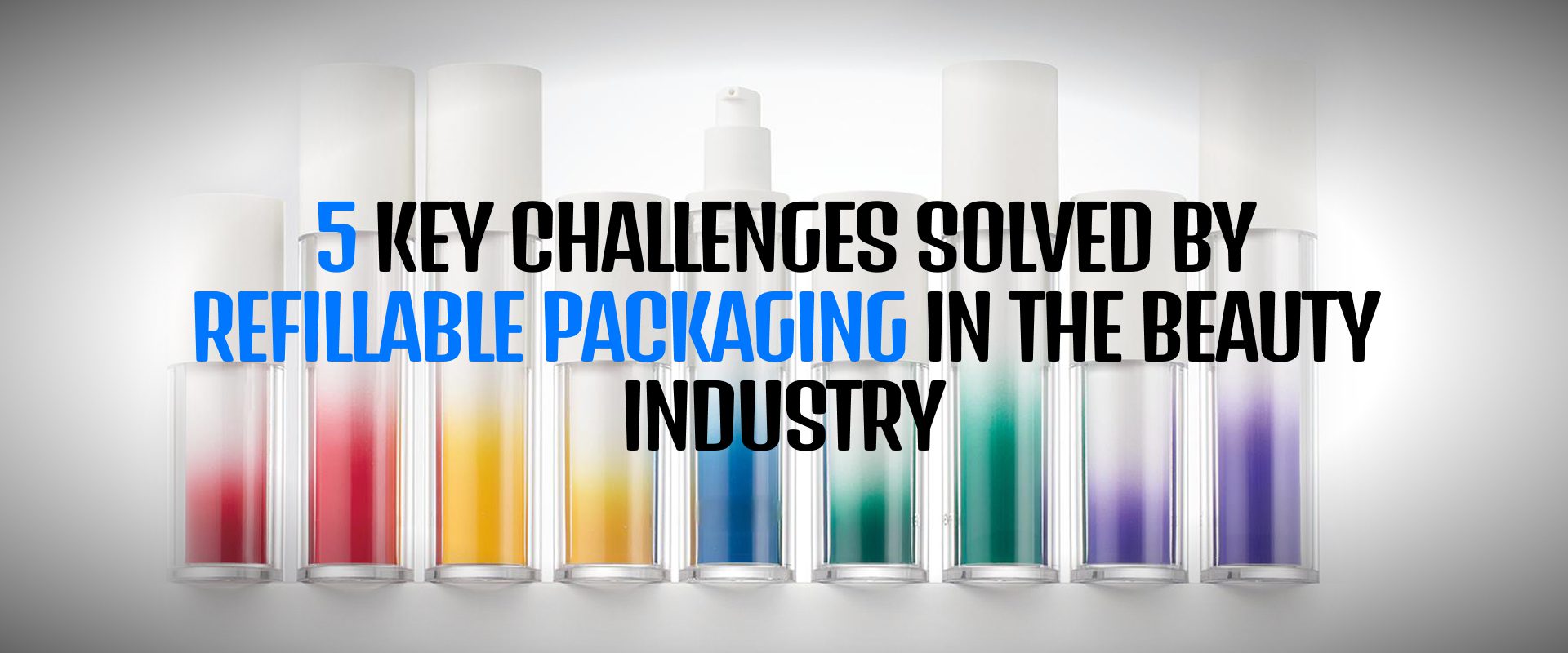
Refillable Packaging Is Reshaping the Beauty Industry

The beauty industry is undergoing a major transformation, and refillable packaging is quickly becoming one of the most important shifts influencing product development, sustainability strategy, and consumer purchasing behavior. What was once considered a niche luxury concept is now becoming a mainstream expectation across skincare, fragrance, hair care, and personal care categories.

Today’s consumers are paying closer attention to packaging waste, environmental impact, and long-term brand responsibility. At the same time, beauty brands are searching for ways to strengthen customer loyalty, differentiate themselves at retail, and improve operational efficiency. Refillable packaging sits at the center of all three.

For many beauty companies, refillable packaging is no longer simply a sustainability initiative — it is becoming part of the overall brand experience.

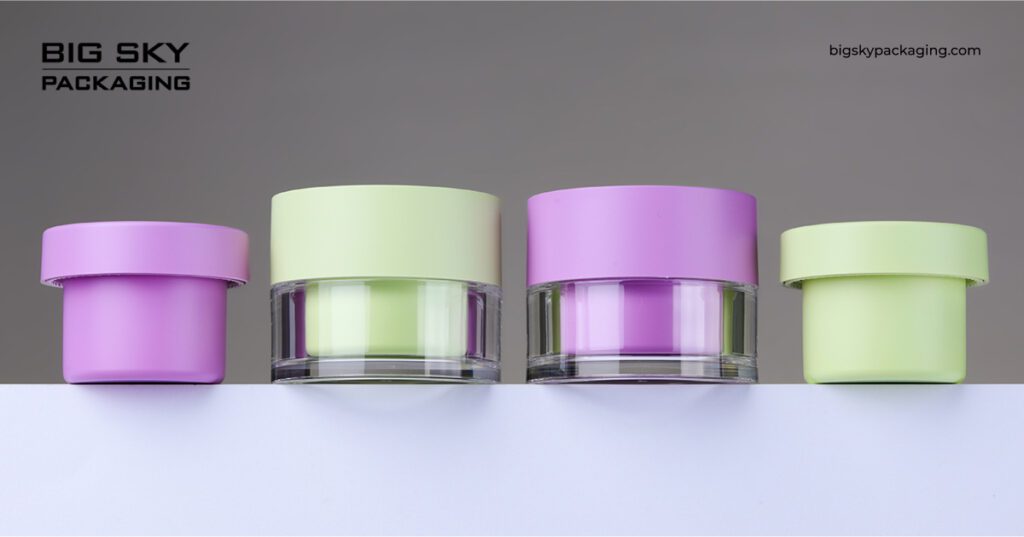
Consumers increasingly want products that feel elevated, intentional, and reusable rather than disposable. A well-designed refillable package creates a stronger emotional connection with the customer. The primary package often becomes a keepsake item displayed on a vanity or countertop, while refill systems provide convenience and reduce material consumption over time.

This trend is especially visible in prestige beauty and luxury skincare, where brands are investing heavily in heavier wall glass, aluminum, premium decoration, magnetic closures, and durable outer components designed for repeated use. Refill cartridges, pods, pouches, and replaceable inserts are allowing brands to maintain a luxury aesthetic while reducing packaging waste.

Beyond sustainability, refillable packaging also creates operational and financial opportunities for brands.

Refill systems can encourage repeat purchases and improve customer retention by bringing consumers back into the brand ecosystem more frequently. In many cases, refill packaging also reduces freight costs, storage requirements, and overall material usage compared to continually producing full primary packs.

Retailers are also paying attention.

Major beauty retailers, including Sephora and Ulta Beauty, continue expanding sustainability-focused initiatives and highlighting brands that demonstrate measurable environmental progress. Refillable packaging can help brands align more closely with retailer expectations while also appealing to younger consumers who increasingly factor sustainability into purchasing decisions.

However, developing refillable packaging successfully requires careful planning and engineering.

Brands must consider:

Not every product category or formula is suitable for refill systems, which makes packaging engineering and manufacturing strategy especially important.

At BIG SKY PACKAGING, we are seeing growing demand from beauty brands exploring refillable solutions that balance sustainability, functionality, aesthetics, and cost control. Many brands are looking for ways to create refill systems without compromising shelf presence or the overall customer experience.

This includes:

The future of beauty packaging will likely involve a combination of sustainability, operational efficiency, and elevated consumer experience. Refillable packaging addresses all three.

As the beauty industry continues evolving, brands that successfully integrate refillable packaging into their long-term strategy may be better positioned to strengthen customer loyalty, improve sustainability initiatives, and differentiate themselves in an increasingly competitive marketplace.

Consumers are no longer evaluating packaging based only on appearance. They are increasingly evaluating how responsibly it fits into their everyday live.

Frequently Asked Questions

Consumers are seeking more sustainable and reusable packaging solutions. Refillable systems help reduce waste while enhancing the overall brand experience

Refill systems can reduce material usage, lower freight costs, and encourage repeat purchases through ongoing customer engagement.

Refillable packaging is especially popular in skincare, fragrance, hair care, and personal care products with strong repeat-use behavior

Brands must evaluate compatibility, leak prevention, durability, refill convenience, and long-term packaging performance.

High-quality refillable components create a more elevated, luxury experience while reinforcing sustainability and long-term customer value.

BIG SKY PACKAGING supports brands with packaging engineering, material selection, refill system development, and global manufacturing coordination.

How Wine Club Packaging Influences Retention and Customer Lifetime Value Ahead of Holiday Season

For wineries, Q3 and Q4 represent far more than peak shipping periods. They are often the most important opportunity of the year to strengthen wine club retention, increase repeat purchasing behavior, and elevate long-term customer lifetime value.

As holiday allocations, seasonal releases, and gifting programs begin moving through fulfillment pipelines, packaging becomes one of the most visible expressions of a winery’s brand. Long before a bottle is opened, the customer experience has already begun.

In direct-to-consumer wine programs, premium packaging is no longer viewed as an optional enhancement. Increasingly, it is part of the retention strategy itself.

Why the Unboxing Experience Matters More During Holiday Shipments

Holiday wine club shipments carry a different emotional expectation than standard quarterly allocations. Customers are not simply receiving wine. They are receiving a curated experience tied to celebration, entertaining, and gifting.

This shift changes how members evaluate the shipment when it arrives at their doorstep.

A thoughtfully designed wine box can immediately communicate quality, exclusivity, and care. Clean structural presentation, elevated materials, organized inserts, and premium finishes all contribute to a stronger emotional response during the unboxing process.

That first interaction matters.

In many cases, holiday wine club shipments are also shared with family, guests, or posted on social media platforms. Packaging that feels elevated and gift-worthy naturally increases organic visibility and brand exposure beyond the original customer.

For wineries investing heavily in customer acquisition and loyalty programs, packaging becomes part of the overall retention strategy. A premium presentation reinforces the perception that membership delivers something differentiated and worth renewing year after year.

Structural Considerations for Direct-to-Consumer Wine Club Programs

Structural Considerations for Direct to Consumer Wine Club Programs

Wine club shipments face unique logistical demands compared to traditional retail packaging.

Direct-to-consumer fulfillment requires packaging systems that balance presentation with durability, operational efficiency, and shipping compliance. During colder-weather months, those demands become even more critical due to increased carrier handling, longer transit windows, and temperature-related risks.

Structural engineering should focus on several key areas:

Many wineries are now moving beyond standard corrugated shipper formats by incorporating upgraded presentation elements directly into the structural design.

Examples include:

These formats help wineries create a more memorable customer experience without compromising shipping performance.

Sustainability vs. Luxury Presentation

Historically, luxury packaging and sustainability were often viewed as competing priorities. Today, wineries are increasingly expected to deliver both.

Consumers — particularly premium wine buyers — are paying closer attention to recyclability, reusable formats, FSC-certified paper materials, molded fiber alternatives, and overall environmental impact.

The challenge for wineries is maintaining elevated presentation while reducing excess material and unnecessary waste.

Fortunately, sustainable packaging solutions have evolved significantly in recent years.

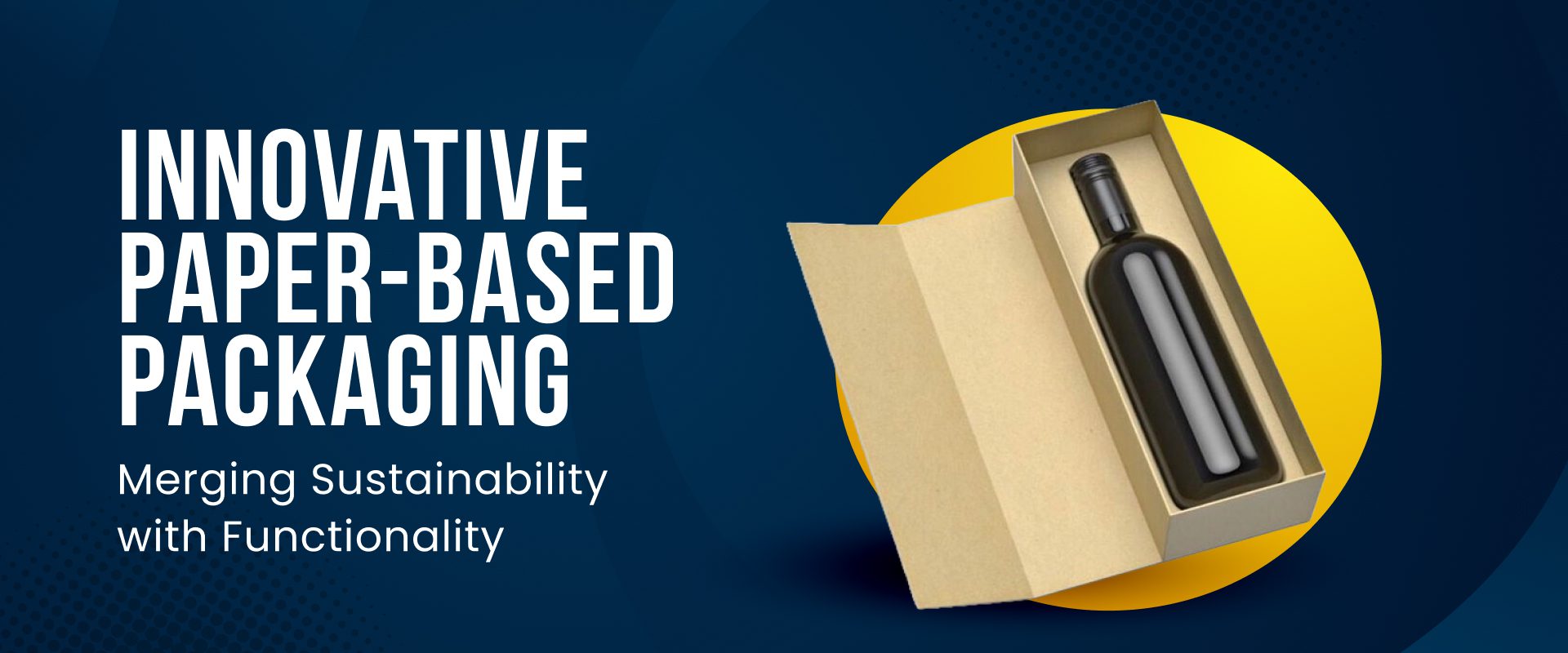
Modern molded pulp inserts can now provide a refined appearance while offering strong bottle protection and recyclability. Textured paper wraps, soft-touch coatings, soy-based inks, and minimalist structural designs allow wineries to create premium presentation without relying heavily on plastics or foam components.

Many wineries are also adopting reusable packaging concepts that extend brand visibility beyond the initial shipment. Magnetic closure boxes, premium paperboard formats, and reusable storage boxes often remain in customers’ homes long after the wine has been consumed.

That extended visibility reinforces brand recognition and perceived value over time.

Cost-Effective Upgrades That Improve Perceived Value

Cost Effective Upgrades That Improve Perceived Value

Not every winery needs to implement highly customized packaging systems to create a stronger customer experience.

In many cases, relatively modest upgrades can significantly improve perceived value without dramatically increasing packaging spend.

Some of the most effective cost-conscious enhancements include:

These enhancements help transform a shipment from a standard delivery into a more intentional brand experience.

Importantly, perception often carries greater influence than actual packaging cost. Customers typically evaluate overall presentation holistically rather than itemizing the cost of individual packaging elements.

For wineries focused on retention and repeat purchasing behavior, that distinction matters.

Reducing Damage Claims During Colder-Weather Shipping Periods

Premium packaging also serves an operational purpose.

During late fall and winter shipping periods, wineries frequently encounter increased risks associated with carrier handling, temperature fluctuations, and longer transit times tied to holiday shipping congestion.

Packaging failures can lead to:

Well-engineered wine club packaging can help mitigate many of these issues.

Rigid outer structures, reinforced corrugated systems, molded pulp inserts, and secure bottle separation all contribute to better in-transit performance. In many cases, investing slightly more upfront in structural packaging reduces downstream costs tied to reshipments, claims, and customer dissatisfaction.

This becomes especially important during holiday fulfillment periods when customer expectations are elevated and replacement timing becomes more difficult.

How BIG SKY PACKAGING Helps Wineries Elevate Wine Club Programs

How BIG SKY PACKAGING Helps Wineries Elevate Wine Club Programs

At BIG SKY PACKAGING, we work closely with wineries to develop packaging solutions that support both operational performance and brand positioning during critical shipping periods.

Unlike traditional packaging suppliers that focus strictly on manufacturing, BIG SKY PACKAGING acts as an extension of a winery’s packaging and operations team — helping guide projects from concept development through production, quality control, and final delivery.

Our experience across luxury packaging, direct-to-consumer fulfillment, and wine club programs allows us to help wineries navigate several common challenges:

Because we maintain a diversified global manufacturing network across North America, Europe, South America, and Asia, we are able to provide flexible solutions based on volume requirements, lead times, decoration complexity, and budget considerations.

This flexibility becomes especially valuable during Q3 and Q4 when wineries are balancing seasonal launches, holiday gifting programs, and increased fulfillment demand.

BIG SKY PACKAGING also helps wineries evaluate structural packaging from both a branding and logistics perspective — ensuring the packaging not only looks premium upon arrival, but performs reliably throughout the shipping process.

From magnetic closure rigid boxes and molded pulp inserts to sustainable wine club formats and reusable gifting concepts, our goal is to help wineries create packaging systems that strengthen customer experience while supporting long-term retention and customer lifetime value.

Packaging as a Retention Strategy

As wineries prepare for Q3 and Q4 wine club fulfillment, packaging should be viewed as more than a shipping necessity.

It is a direct extension of the brand experience.

The wineries that continue strengthening retention and customer lifetime value are increasingly those that understand how packaging influences perception, gifting behavior, social engagement, and overall member satisfaction.

In a highly competitive direct-to-consumer wine market, the physical experience surrounding the bottle can become just as important as the wine itself.

And during the holiday season, that experience often leaves the most lasting impression.

Frequently Asked Questions

Premium packaging enhances the overall customer experience and reinforces brand value. A memorable unboxing experience increases loyalty, renewals, and repeat purchases.

Simple upgrades like foil stamping, premium inserts, and branded messaging can elevate perceived value. Small presentation improvements often create a stronger emotional impact

Durability, insulation, bottle protection, and premium presentation are critical during peak shipping seasons. Well-engineered packaging helps reduce damage claims while improving customer satisfaction.

The Future of Beauty Packaging: Where AI Efficiency Meets Human Connection

The beauty industry is entering a new era.

Artificial intelligence is rapidly reshaping how beauty brands operate — from product development and forecasting to personalization, advertising, inventory management, customer service, and content creation. Processes that once required weeks can now happen in hours. Data has become more accessible. Decision-making has become faster. Speed-to-market expectations continue to accelerate.

For beauty brands, this transformation creates exciting opportunities.

But it also introduces a new challenge:
How do brands maintain emotional connection and authentic brand identity in a world becoming increasingly automated?

As AI becomes more integrated into the beauty industry, packaging may become one of the most important human touchpoints a brand still controls.

At BIG SKY PACKAGING, we believe the future of packaging is not about choosing between technology and human creativity. It is about bridging the gap between the two.

Packaging Is Becoming More Important — Not Less

Consumers today are exposed to an overwhelming amount of digital content every day.

AI-generated advertising, AI-assisted product recommendations, automated email campaigns, algorithm-driven shopping experiences, and increasingly personalized online interactions are quickly becoming standard across the industry.

While these technologies improve efficiency, they also create a growing need for brands to feel tangible, memorable, and emotionally grounded.

That is where packaging matters more than ever.

Packaging is often the first physical interaction a customer has with a beauty brand. It transforms a digital transaction into a sensory experience.

The weight of a glass bottle. The texture of a carton. The sound of a magnetic closure. The finish of a cap. The reveal during unboxing. These are human moments.

They create emotional memory, reinforce brand positioning, and help consumers feel connected to a product in ways technology alone cannot replicate.

In many ways, packaging is becoming the bridge between digital convenience and human experience.

Beauty Brands Are Being Asked To Move Faster Than Ever

3

The rise of AI is also accelerating product launch cycles.

Beauty founders, marketing teams, and product development groups are under increasing pressure to:

This creates operational complexity throughout the packaging process.

Brands now need packaging partners who can help them move efficiently while still protecting the integrity of the brand experience.

At BIG SKY PACKAGING, we help beauty brands navigate this balance every day.

Our role is not simply to provide packaging components. We work as an extension of our clients’ packaging and operational teams — helping bridge strategic brand goals with practical manufacturing execution.

Combining Technology, Operational Discipline, and Human Creativity

The future of packaging will require both technological efficiency and human insight.

AI can help identify trends and optimize operations, but successful packaging still depends heavily on:

That combination is difficult to automate.

At BIG SKY PACKAGING, we combine global manufacturing capabilities with hands-on collaboration to help brands create packaging that feels intentional, elevated, and aligned with the customer experience they want to deliver.

This includes:

As supply chains become more data-driven and automated, human partnership becomes even more valuable.

Packaging Will Continue To Differentiate Brands

5

As AI tools become more accessible, many aspects of marketing and content creation may begin to feel increasingly similar across brands.

Packaging creates an opportunity to stand apart.

Strong packaging communicates:

It helps consumers remember how a brand made them feel.

This is especially important in beauty, where purchasing decisions are often emotional, aspirational, and experience-driven.

The brands that succeed in the next phase of the beauty industry will likely be the ones that combine operational intelligence with authentic human connection.

Packaging plays a critical role in that equation.

The Opportunity Ahead

AI is not removing the importance of packaging. In many ways, it is increasing.

As more customer interactions move into digital environments, the physical product experience becomes even more meaningful.

Beauty brands now have an opportunity to rethink packaging not simply as a container, but as:

At BIG SKY PACKAGING, we believe the future belongs to brands that successfully blend innovation with authenticity.

Technology may continue to reshape the industry, but thoughtful packaging will remain one of the most powerful ways brands create lasting emotional connection with consumers.

Because even in an AI-driven world, people still remember how something felt in their hands.

Frequently Asked Questions

Packaging creates a physical and emotional brand experience that digital interactions cannot replicate. It helps brands build stronger consumer connection and memorability.

AI accelerates product launches, forecasting, and personalization, increasing pressure on packaging timelines. Brands need packaging partners who can move quickly without compromising quality.

As digital marketing becomes more automated, packaging helps brands stand out through texture, presentation, and overall customer experience.

Successful packaging still depends on creative judgment, material expertise, and consumer psychology. Human insight remains essential for building authentic brand experiences.

By combining operational discipline with thoughtful packaging design, brands can improve speed-to-market while maintaining elevated customer experiences.

BIG SKY PACKAGING helps brands manage packaging engineering, sourcing, production, and logistics while aligning packaging with long-term brand goals.

From Concept to Delivery: Building a Packaging Strategy That Balances Creativity and Contro

In beauty, fragrance, personal care, and luxury wine, packaging is more than a container—it is often the first physical interaction a consumer has with your brand. Yet behind every elevated unboxing experience must be a disciplined packaging supply chain strategy that protects margin, timelines, and long-term scalability.

For growth-stage brands and established premium programs alike, success depends on balancing creativity with control—from concept through delivery.

Integrating Packaging Teams with Global Production Partners

Creative teams focus on brand identity, differentiation, and storytelling. Operations teams focus on feasibility, cost, and risk mitigation. When these functions operate independently, brands encounter tooling delays, cost overruns, and supply chain friction.

An effective global packaging manufacturing strategy integrates structural engineering, material availability, and regional production capabilities early in development. Evaluating production across North America, South America, Europe, and Asia allows brands to align creative ambition with manufacturing reality.

At BIG SKY PACKAGING, we integrate as an extension of our clients’ packaging teams—bridging design intent with factory execution. By aligning creative, financial, and operational priorities at the outset, we help brands move confidently into production.

Forecasting to Reduce Excess Inventory

2

Inventory misalignment remains one of the most common and costly packaging challenges. Over-forecasting ties up working capital and warehouse space. Under-forecasting results in stockouts and expedited freight costs.

A disciplined packaging forecasting strategy considers:

When packaging procurement aligns with realistic demand planning, brands reduce excess inventory and preserve liquidity—particularly critical in capital-conscious environments.

Freight Optimization and Total Landed Cost Control

Freight volatility continues to pressure margins. True freight optimization in packaging evaluates more than shipping rates—it includes component nesting efficiency, pallet configuration, and production geography decisions.

Small structural adjustments can significantly improve cubic meter utilization and reduce total landed cost. Similarly, evaluating nearshore versus offshore production can influence transit time, duty exposure, and working capital requirements.

Effective packaging strategy considers the entire logistics ecosystem—not just ex-works pricing.

Operational Discipline That Supports Long-Term Growth

3

Sustainable scale requires structure. Clear RFQ management, diversified supplier qualification, milestone-based production oversight, and scenario-based cost modeling all contribute to operational stability.

Traditional packaging execution—thorough factory vetting, quality control processes, and disciplined documentation—remains essential. However, modern analytical tools now enhance forecasting accuracy and cost visibility.

BIG SKY PACKAGING blends traditional execution with analytical rigor, helping brands build scalable packaging solutions that protect both creative integrity and financial performance.

In a competitive global market, packaging cannot be reactive. It must be engineered strategically—balancing creativity, cost control, and operational discipline from concept to delivery.

If your brand is evaluating how to strengthen its packaging strategy for sustainable growth, we welcome the opportunity to help design a framework that supports both vision and control.

Frequently Asked Questions

An integrated strategy aligns creative, operational, and financial priorities early in development, reducing delays, cost overruns, and supply chain inefficiencies.

Brands can improve forecasting through disciplined demand planning, MOQ analysis, lead time evaluation, and ongoing alignment between sales projections and procurement schedules.

Total landed cost includes manufacturing, freight, duties, warehousing, pallet efficiency, and regional production considerations—not just quoted unit pricing.

Multi-region sourcing creates flexibility, reduces dependency on a single geography, and helps brands adapt more effectively to freight disruptions, tariff shifts, or production constraints.

Freight optimization improves margin protection by reducing shipping inefficiencies, improving pallet utilization, and lowering transportation-related costs across the supply chain.

BIG SKY PACKAGING combines structural engineering, supplier qualification, forecasting support, RFQ management, and production oversight to help brands scale with greater operational control.