
How Does Sustainable Packaging Help Reduce Environmental Impact?
Sustainable Packaging That Reduces Environmental Impact
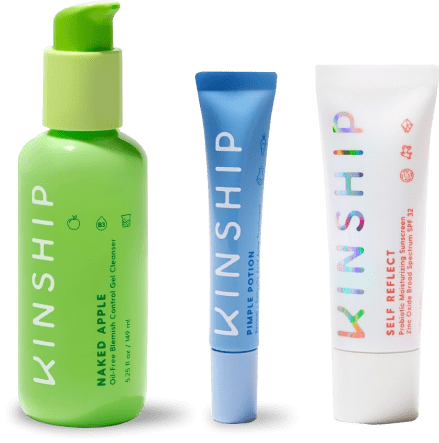
What Does It Mean to Be Sustainable at the Core of Packaging?
At Big Sky Packaging, we are dedicated to protecting the environment with our eco-friendly materials, responsible manufacturing methods, and sustainable packaging solutions. To reduce the overall carbon footprint, our global network of factories and workshops not only increase the flexibility of production but also give valuable insights into new methods of sustainability worldwide.

What Is Our Sustainability Formula For Packaging?
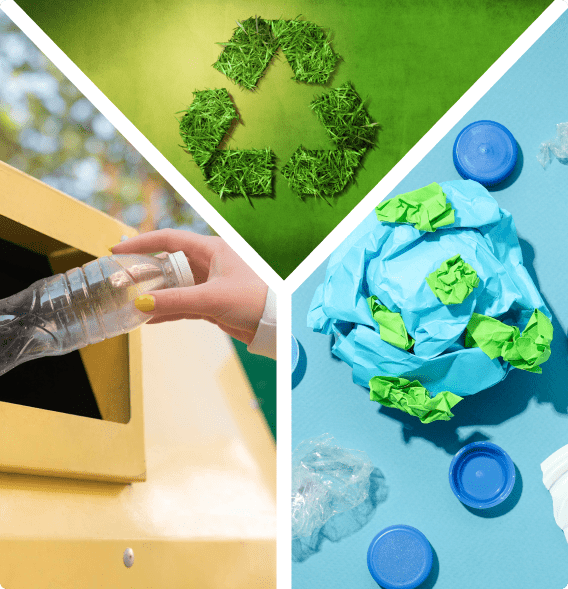
We follow this simple yet effective formula to protect the environment with our custom sustainable packaging solutions:
- Reduce We strive to reduce the carbon footprint through efficient package engineering & use of materials that could be harmful to the environment.
- Reuse We Offer complete lines of refillable solutions, using eco-friendly materials and production methods, which drive sustainability.
- Recycle We offer easy-to-recyle packaging materials like glass, wood, paper, PCR plastic, aluminum, ocean plastic, etc.




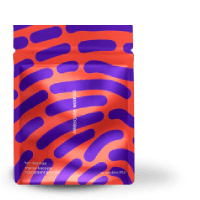
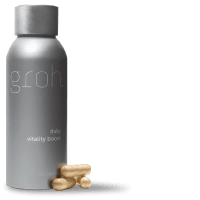


What Makes Packaging Eco-Friendly, Biodegradable, and Recyclable?
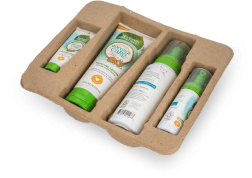
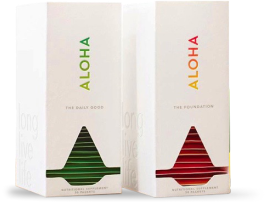
With our real-world experience of working with sustainable materials, we help you create and manufacture packaging that keeps your brand personality in mind. Our eco-friendly, biodegradable, and recyclable options let you reflect your environmental consciousness through your packaging choice
To do our bit for the environment, we have planted close to 2000 trees with One Tree Planted in 2022 and 2023 alone, with a projection to double the number in upcoming years.
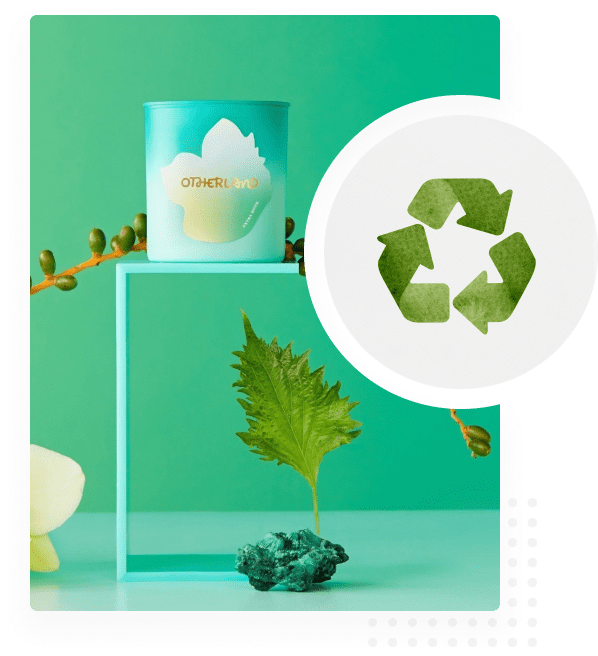
What’s new in sustainable packaging?
Stay updated with the latest news and events happening globally in the packaging industry!

Refillable Packaging Is Reshaping the Beauty Industry
The beauty industry is undergoing a major transformation, and refillable packaging is quickly becoming one of the most important shifts influencing product development, sustainability strategy, and consumer purchasing behavior. What was once considered a niche luxury concept is now becoming a mainstream expectation across skincare, fragrance, hair care, and personal care categories. Today’s consumers are […]
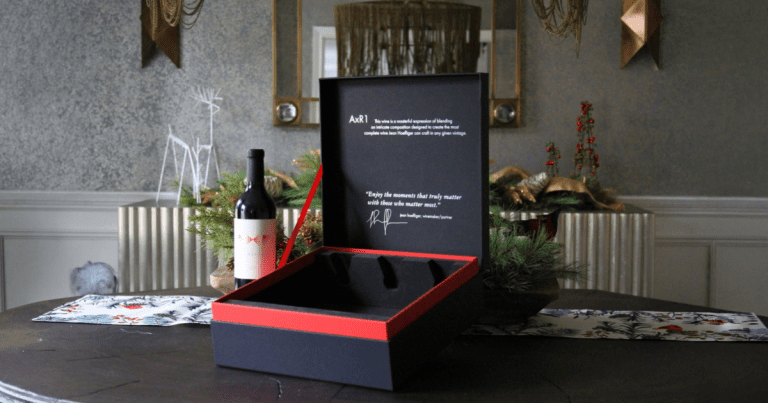
How Wine Club Packaging Influences Retention and Customer Lifetime Value Ahead of Holiday Season
For wineries, Q3 and Q4 represent far more than peak shipping periods. They are often the most important opportunity of the year to strengthen wine club retention, increase repeat purchasing behavior, and elevate long-term customer lifetime value. As holiday allocations, seasonal releases, and gifting programs begin moving through fulfillment pipelines, packaging becomes one of the […]
The Future of Beauty Packaging: Where AI Efficiency Meets Human Connection
The beauty industry is entering a new era. Artificial intelligence is rapidly reshaping how beauty brands operate — from product development and forecasting to personalization, advertising, inventory management, customer service, and content creation. Processes that once required weeks can now happen in hours. Data has become more accessible. Decision-making has become faster. Speed-to-market expectations continue […]
Frequently Asked Questions
Sustainable packaging focuses on using materials and processes that reduce environmental impact across the lifecycle. It helps lower waste, conserve resources, and meet growing consumer demand for eco-conscious products.
Common materials include recycled paper, cardboard, glass, bioplastics, and compostable materials. These options are designed to be recyclable, reusable, or biodegradable, helping reduce reliance on virgin resources.
It minimizes waste by following the principles of reduce, reuse, and recycle, lowering carbon emissions and landfill contribution. Using fewer materials and recycled inputs also helps conserve natural resources.
Yes, sustainable packaging is engineered to offer strong protection while using fewer or eco-friendly materials. Innovations like corrugated structures and molded fiber ensure durability without compromising sustainability.
While initial costs can be higher, sustainable packaging often leads to long-term savings through material reduction and efficiency. It can also improve brand value and customer loyalty, offsetting the investment.
Brands can start by reducing excess materials, switching to recyclable or biodegradable options, and optimizing packaging design. Partnering with experts helps ensure both sustainability and performance goals are met.