
From Concept to Delivery: Building a Packaging Strategy That Balances Creativity and Contro

In beauty, fragrance, personal care, and luxury wine, packaging is more than a container—it is often the first physical interaction a consumer has with your brand. Yet behind every elevated unboxing experience must be a disciplined packaging supply chain strategy that protects margin, timelines, and long-term scalability.

For growth-stage brands and established premium programs alike, success depends on balancing creativity with control—from concept through delivery.

Integrating Packaging Teams with Global Production Partners

Creative teams focus on brand identity, differentiation, and storytelling. Operations teams focus on feasibility, cost, and risk mitigation. When these functions operate independently, brands encounter tooling delays, cost overruns, and supply chain friction.

An effective global packaging manufacturing strategy integrates structural engineering, material availability, and regional production capabilities early in development. Evaluating production across North America, South America, Europe, and Asia allows brands to align creative ambition with manufacturing reality.

At BIG SKY PACKAGING, we integrate as an extension of our clients’ packaging teams—bridging design intent with factory execution. By aligning creative, financial, and operational priorities at the outset, we help brands move confidently into production.

Forecasting to Reduce Excess Inventory

2

Inventory misalignment remains one of the most common and costly packaging challenges. Over-forecasting ties up working capital and warehouse space. Under-forecasting results in stockouts and expedited freight costs.

A disciplined packaging forecasting strategy considers:

When packaging procurement aligns with realistic demand planning, brands reduce excess inventory and preserve liquidity—particularly critical in capital-conscious environments.

Freight Optimization and Total Landed Cost Control

Freight volatility continues to pressure margins. True freight optimization in packaging evaluates more than shipping rates—it includes component nesting efficiency, pallet configuration, and production geography decisions.

Small structural adjustments can significantly improve cubic meter utilization and reduce total landed cost. Similarly, evaluating nearshore versus offshore production can influence transit time, duty exposure, and working capital requirements.

Effective packaging strategy considers the entire logistics ecosystem—not just ex-works pricing.

Operational Discipline That Supports Long-Term Growth

3

Sustainable scale requires structure. Clear RFQ management, diversified supplier qualification, milestone-based production oversight, and scenario-based cost modeling all contribute to operational stability.

Traditional packaging execution—thorough factory vetting, quality control processes, and disciplined documentation—remains essential. However, modern analytical tools now enhance forecasting accuracy and cost visibility.

BIG SKY PACKAGING blends traditional execution with analytical rigor, helping brands build scalable packaging solutions that protect both creative integrity and financial performance.

In a competitive global market, packaging cannot be reactive. It must be engineered strategically—balancing creativity, cost control, and operational discipline from concept to delivery.

If your brand is evaluating how to strengthen its packaging strategy for sustainable growth, we welcome the opportunity to help design a framework that supports both vision and control.

Frequently Asked Questions

An integrated strategy aligns creative, operational, and financial priorities early in development, reducing delays, cost overruns, and supply chain inefficiencies.

Brands can improve forecasting through disciplined demand planning, MOQ analysis, lead time evaluation, and ongoing alignment between sales projections and procurement schedules.

Total landed cost includes manufacturing, freight, duties, warehousing, pallet efficiency, and regional production considerations—not just quoted unit pricing.

Multi-region sourcing creates flexibility, reduces dependency on a single geography, and helps brands adapt more effectively to freight disruptions, tariff shifts, or production constraints.

Freight optimization improves margin protection by reducing shipping inefficiencies, improving pallet utilization, and lowering transportation-related costs across the supply chain.

BIG SKY PACKAGING combines structural engineering, supplier qualification, forecasting support, RFQ management, and production oversight to help brands scale with greater operational control.


Protecting Cash Flow Through Smarter Packaging Payment Structures

For growth-stage beauty, fragrance, personal care, and luxury wine brands, cash flow is often the single most important constraint to scale. While packaging is essential to brand presentation and product protection, poorly structured packaging payment terms can place unnecessary strain on working capital.

Strategic packaging planning must include not only design and sourcing—but also disciplined cash flow management.

Deposit Structures vs. Extended Terms

Traditional global manufacturing models often require 30%–50% deposits upfront, with balance due prior to shipment. While standard, these structures can pressure liquidity—especially for emerging brands managing marketing spend, inventory build, and operational overhead simultaneously.

In some cases, negotiating extended payment terms for packaging may improve flexibility. However, extended terms are not universally advantageous. They can increase unit cost, affect supplier relationships, or introduce risk if not structured carefully.

The key is balance. Payment structures should align with forecast reliability, production scale, and supplier leverage.

Production Milestone Billing

One underutilized approach is production milestone billing—structuring payments around defined production phases such as tooling completion, sampling approval, or pre-shipment inspection.

Milestone-based billing offers several advantages:

For founders and CFOs managing multiple vendor payments, this structure creates predictability and financial control.

Aligning Packaging Payments with Sell-Through Cycles

Packaging investments should align with revenue generation. If payment terms require full settlement months before product launch, brands effectively finance inventory long before realizing revenue.

A disciplined packaging working capital strategy considers:

When packaging production and payment timing are aligned with anticipated sell-through cycles, brands reduce inventory carrying cost and preserve liquidity.

Reducing Financial Strain During Scale

As brands grow, MOQs increase, tooling investments expand, and international freight costs rise. Without structured planning, packaging can become a hidden source of financial strain.

Smarter structures may include:

Operational discipline in packaging procurement directly supports sustainable growth.

A Financially Literate Packaging Partner

At BIG SKY PACKAGING, we understand that packaging decisions affect more than aesthetics—they affect capital allocation.

We work closely with founders, CFOs, and operations leaders to structure packaging cash flow management strategies that align production, payment timing, and forecasted revenue. Through disciplined RFQ management, diversified manufacturing options, and milestone-based oversight, we help protect liquidity while maintaining brand standards.

In today’s capital-conscious environment, strong brands combine creative excellence with financial discipline. Packaging payment structures should support growth—not restrict it.

If optimizing your packaging working capital strategy is a priority, we welcome the opportunity to support a more resilient path forward.

Frequently Asked Questions

Packaging payment structures directly affect working capital, liquidity, and operational flexibility. Well-structured terms help brands scale more sustainably without unnecessary cash flow pressure.

Milestone billing improves cash flow visibility by aligning payments with production progress, reducing upfront capital exposure and creating stronger financial control.

In some cases, yes. Extended terms may improve short-term liquidity, but they should be balanced carefully against unit cost increases, supplier expectations, and production risk.

Brands can structure production timing and payment schedules around launch dates, retail payment cycles, and projected sell-through to reduce inventory carrying costs.

Accurate demand forecasting supports smarter MOQ planning, phased inventory commitments, and more efficient payment scheduling, helping preserve working capital during growth.

BIG SKY PACKAGING helps brands optimize packaging procurement through structured RFQs, milestone-based oversight, multi-region sourcing, and cash flow-conscious production strategies.

Smart & Multilayer Packaging Solutions for Modern Cosmetics: Why?

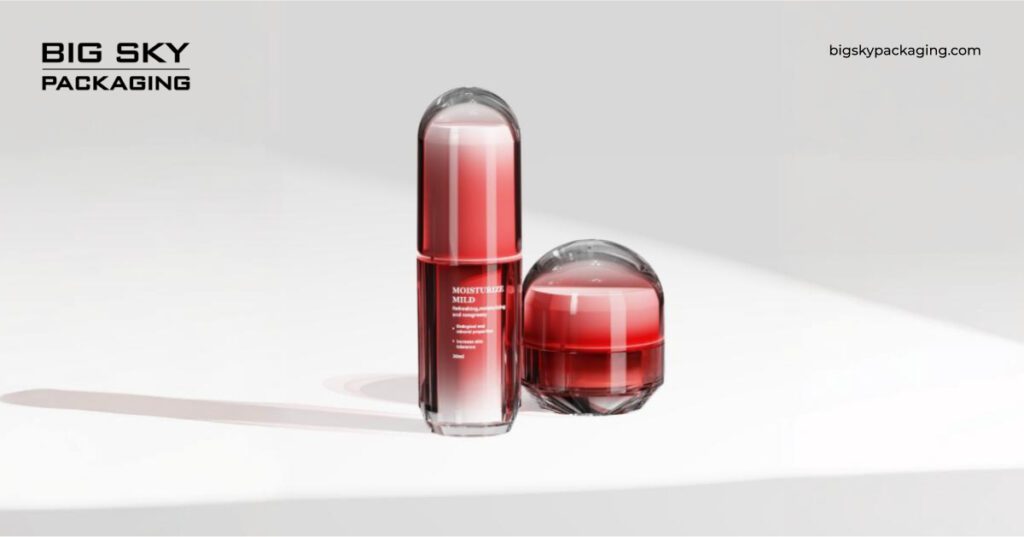
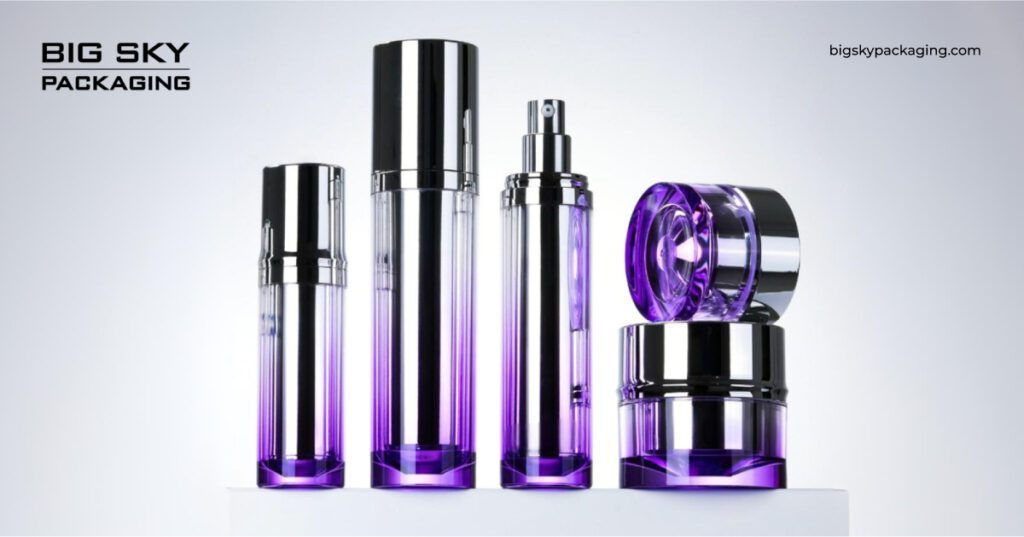
In today’s cosmetics landscape, packaging can no longer be simply pretty—it must be intelligent, layered, resilient, and transparent in its value. As formulas become more sophisticated and consumers demand both performance and sustainability, brands must rethink how packaging serves both product and person. Multi-layer and smart packaging represent this evolution: they protect sensitive ingredients, communicate brand ethos, and enhance user experience in ways traditional solutions cannot.

Balancing aesthetic appeal with functional complexity is no minor challenge. Poor packaging leads to degraded formulas, customer complaints, and a tarnished reputation. Smart and multilayer systems answer those pain points, offering solutions designed for the modern expectations of beauty buyers and industry regulation.

Why Smart & Multilayer Packaging Matters: Benefits vs. Challenges?

image 3

Many modern cosmetic formulations include sensitive active ingredients—vitamin C, retinol, botanical extracts—that degrade with exposure to air, moisture, or UV light. Multilayer films or containers with barrier layers (e.g., oxygen, light, moisture barriers) extend shelf life and preserve potency. This reduces waste and reassures both retailers and consumers of product integrity.

Smart packaging features—such as dispensers that limit exposure, indicators of shelf use, NFC/QR codes for traceability, or usage tips—boost user confidence and foster engagement. Customers are more likely to trust and repurchase from brands that offer both performance and transparency.

A layered design or intelligent packaging can serve as a visual cue for premium or high-tech positioning. Whether it’s a luxe multilayer jar, smart cap, refillable cartridge, or interactive digital touchpoint, these innovations reinforce brand identity and justify premium pricing.

Consumers now expect packaging to do more than look good. They demand ecological responsibility. Multilayer packaging can pose recycling challenges, especially if layers are not compatible or easily separable. Smart features also introduce considerations around electronics, materials, and end-of-life disposal. Brands must balance innovation with eco-design to avoid greenwashing or consumer backlash.

Designing and producing multilayer packaging is a complex process.  From custom tooling, sourcing of specialty components, materials, and application of decoration add to the final component cost. Ensuring consistency, packaging integrity, and user safety across supply chains adds more layers—literally and figuratively—to the development process.

How Packaging Engineers Can Help with Packaging

image 4

At BIG SKY PACKAGING, packaging engineers bridge the gap between bold design vision and feasible execution. Our experts guide brands through selecting packaging that fits the needs of the product formula, while keeping the package visually compelling. We assess trade-offs around cost, recyclability, and performance to craft solutions tailored to your brand’s priorities.

Final Thoughts

Smart and multilayer packaging are not simply trends—they are strategic imperatives. When done meticulously, they transform cosmetic products into experiences that resonate, deliver performance, protect value, and align with sustainability. For brands willing to invest in innovation, the returns are in reduced waste, elevated brand perception, deeper customer loyalty—and ultimately, healthier margins. With a partner like BIG SKY PACKAGING, brands can navigate complexity confidently, achieving packaging that is both intelligent and beautiful.

Frequently Asked Questions

Multilayer packaging enhances product protection by preventing exposure to air, light, and moisture, preserving the formula’s integrity and shelf life

Smart packaging labeling integrates features like QR / NFC codes and traceability elements that help customers use products effectively while strengthening brand engagement.

Yes. With thoughtful material selection and engineering, multilayer packaging can be designed for recyclability, refillability, or reduced environmental impact.

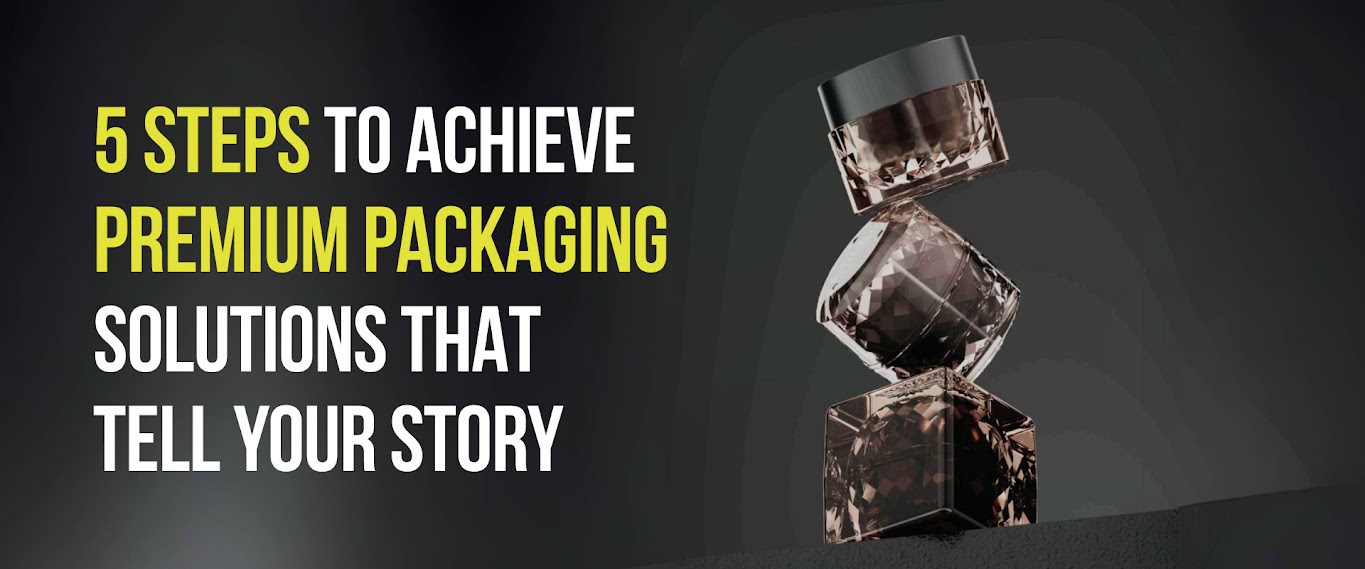
5 Steps To Achieve Premium Packaging Solutions That Tell Your Story

Premium packaging is no longer an indulgence—it is a necessity. The moment a consumer lays eyes on your product, perception begins. And in that split second, your packaging must do more than protect; it must perform. It must tell a story—your story—with clarity, emotion, and distinction.

Today’s B2B brands are no longer content with stock solutions or aesthetic gimmicks. They are searching for packaging that embodies their ethos, elevates their value, and connects with their target market on a visceral level. But achieving that level of precision requires more than creative vision—it requires a methodical, strategic approach that balances form, function, and storytelling.

Below are five essential steps that guide the journey toward packaging that is both premium and purposeful.

Step 1: Define Your Brand Narrative

Define Your Brand Narrative

Before structure or materials come into play, every packaging solution must begin with a story. What does your brand stand for? Is it heritage? Innovation? Clean beauty? Luxury minimalism? Defining your core narrative is the compass that guides every design decision thereafter. Without an articulated brand story, even the most beautiful packaging risks feeling hollow.

Step 2: Align Structure with Strategy

Form follows function—but in premium packaging, form amplifies function. Whether you’re designing rigid set boxes, mono-material tubes, or fragrance bottles with sculptural appeal, the structural elements must enhance both the product and the consumer experience. Here, engineering and strategy must walk hand in hand to create designs that are not only striking but also viable for manufacturing, sustainability, and logistics.

Step 3: Material Selection with Purpose

Material Selection with Purpose

Premium doesn’t always mean lavish—it means intentional. Choosing materials that reflect your values (be it sustainability, durability, or transparency) tells your audience you’re thinking beyond profit margins. Today’s consumers and B2B buyers are paying close attention to material choices—from FSC-certified boards to refillable components and recyclable mono-materials.

Step 4: Design That Delivers Emotion

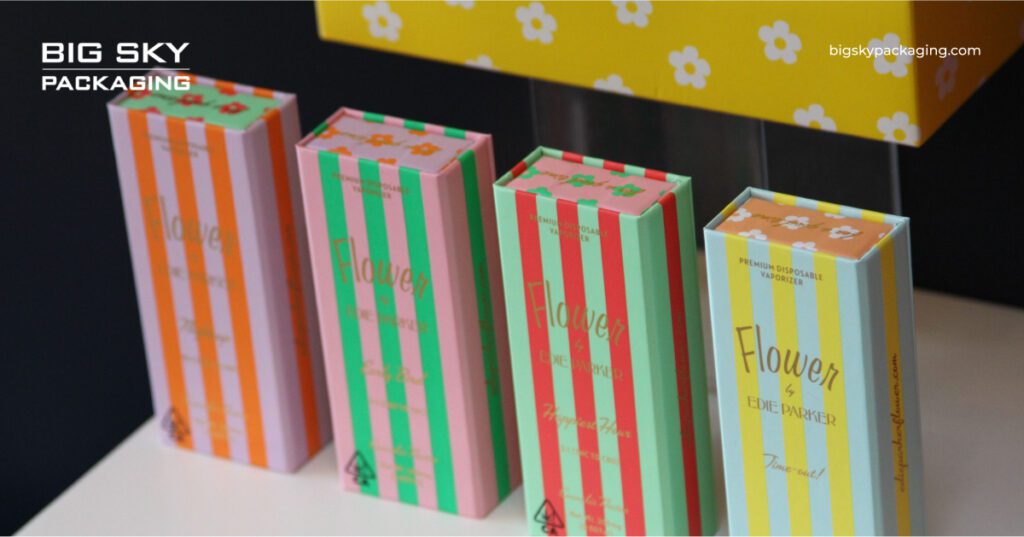
Typography, finishes, color palettes, and tactile elements are more than aesthetic choices—they’re tools for emotional resonance. Premium packaging design isn’t about trend-chasing; it’s about timeless appeal that draws your customer in, creates a sensory connection, and mirrors your brand’s essence with every touchpoint

Step 5: Partner with Experts Who Understand the Nuance

Even the most visionary brands need a partner who can translate ambition into action. This is where experience, technical expertise, and deep industry understanding matter most.

How Packaging Engineers at BIG SKY PACKAGING Can Help You Achieve Premium Packaging Solutions

How Packaging Engineers at BIG SKY PACKAGING Can Help You Achieve Premium Packaging Solutions

At BIG SKY PACKAGING, we don’t just design packaging—we engineer brand experiences. Our team of packaging engineers collaborates with brands to ensure every element, from material innovation to manufacturing feasibility, is seamlessly aligned with your premium positioning. We bring decades of industry insight, sustainability-forward thinking, and the craftsmanship necessary to make your packaging story one worth sharing.

Conclusion

Premium packaging is a delicate fusion of art and intention. When thoughtfully executed, it becomes a vessel for your values and a differentiator in saturated markets. By following these five strategic steps—and aligning with the right partners—you can craft packaging that not only protects and presents but deeply connects.

Frequently Asked Questions

Premium packaging elevates brand perception, enhances the unboxing experience, and reinforces product value—critical factors for B2B customer trust and loyalty.

Packaging acts as a tangible extension of your brand, communicating values, aesthetics, and positioning before a single word is spoken.

Yes, with expert engineering and thoughtful design, sustainable materials can achieve elegance, durability, and luxury without compromising environmental values.

Innovative Paper-Based Packaging: Merging Sustainability with Functionality

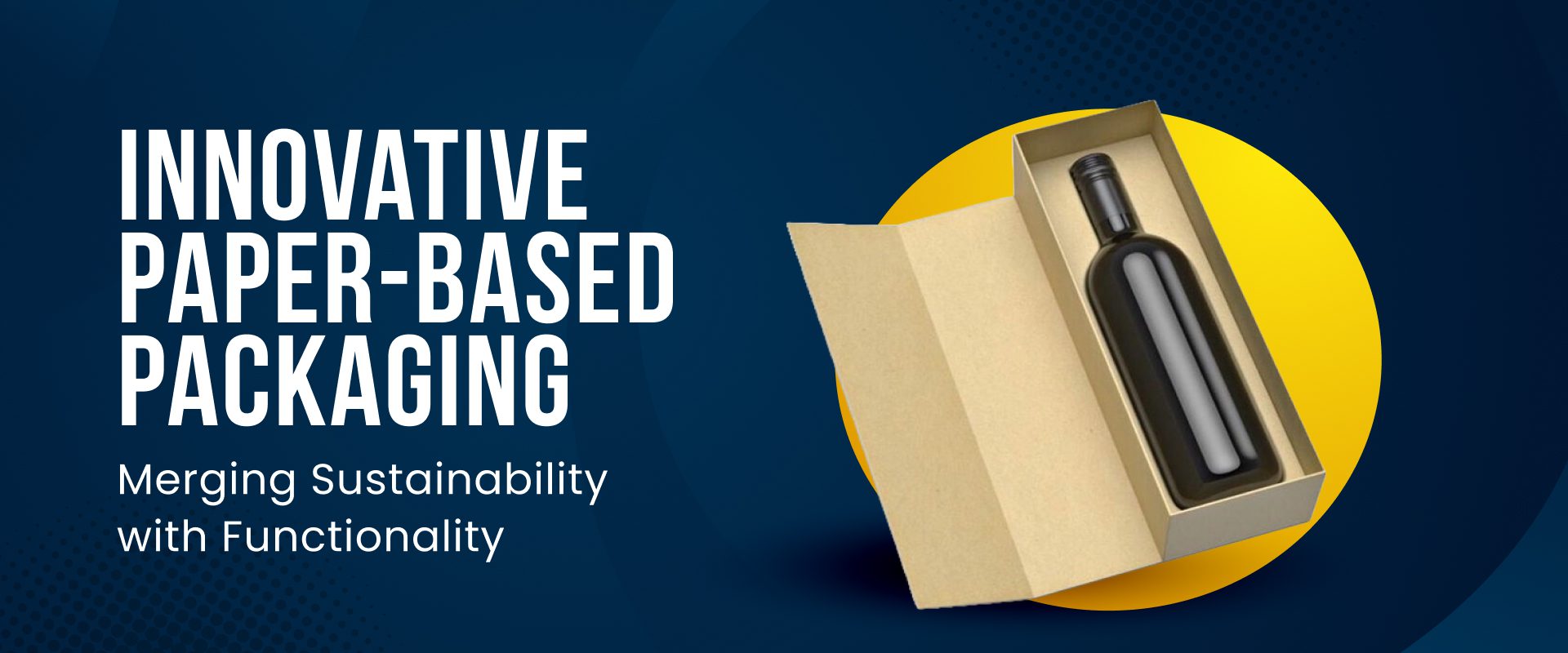
Sustainability has become a key factor influencing consumer purchasing decisions. This is the reason why businesses are seeking packaging solutions that align with environmental responsibilities without compromising on quality or aesthetics. Enter paper-based packaging—an innovation that seamlessly merges eco-consciousness with practicality. More than just an alternative to plastic, it is a testament to how design, engineering, and sustainability can coexist harmoniously, elevating both brand perception and consumer trust.

For companies navigating the competitive landscape of modern commerce, packaging is more than just a protective shell—it is an extension of brand identity, a vessel of storytelling, and a direct reflection of corporate values. With increasing consumer demand for sustainable products, brands that embrace paper-based packaging are not only making an environmental statement but also gaining a significant market advantage.

The Power of Paper-Based Packaging in Modern Business

The Power of Paper Based Packaging in Modern Business 2

From luxury beauty brands to e-commerce giants, paper-based packaging has become the preferred choice for forward-thinking businesses. But what makes it so impactful?

1. Sustainability with Substance: Paper-based packaging is biodegradable, recyclable, and often sourced from responsibly managed forests. Unlike plastic, which lingers in landfills for centuries, paper breaks down naturally, reducing the long-term impact on the environment. Moreover, advancements in coated and treated paper ensure durability while maintaining eco-friendliness.

2. Functionality Without Compromise: Gone are the days when sustainability meant sacrificing performance. Paper-based packaging, be it beauty packaging or other, is now engineered to offer superior protection, moisture resistance, and enhanced structural integrity. Whether it’s lightweight e-commerce mailers, sturdy folding cartons, or high-end rigid boxes, brands can count on paper-based solutions to deliver functionality without compromise.

3. Aesthetic Appeal & Brand Communication: Texture, embossing, foiling, and intricate die-cuts—paper packaging offers unparalleled design versatility. It allows brands to create a tactile, sensory experience that resonates with consumers, making unboxing an extension of the product experience. With limitless customizations, businesses can turn packaging into a powerful storytelling medium.

4. Meeting Consumer Expectations: Today’s consumers are more informed than ever, and their purchasing decisions are increasingly driven by sustainability values. Brands that incorporate eco-friendly packaging solutions are more likely to foster consumer loyalty, enhance brand perception, and tap into the growing eco-conscious market.

How Packaging Engineers at BIG SKY PACKAGING Can Help with Paper-Based Packaging Solutions

How Packaging Engineers at BIG SKY PACKAGING Can Help with Paper Based Packaging Solutions

Crafting the perfect paper-based packaging requires more than just selecting a material—it demands precision, innovation, and expertise. At BIG SKY PACKAGING, our team of packaging engineers collaborates with brands to develop custom paper-based solutions that align with their unique needs.

From conceptual design to material sourcing and structural engineering, we ensure that every aspect of the packaging meets the highest standards of sustainability and functionality. Whether you’re launching a new product or revamping your existing packaging, our tailored solutions will help your brand make a lasting impact—both visually and environmentally.

Elevate Your Brand with Sustainable Packaging

Elevate Your Brand

The shift to paper-based packaging is more than a trend; it’s a movement towards a greener, more responsible future. By embracing innovation and working with the right packaging partner, businesses can achieve sustainability without sacrificing performance or luxury.

Ready to redefine your packaging strategy? Connect with BIG SKY PACKAGING today and discover how our expertise in paper-based packaging can help your brand stand out while staying committed to a sustainable future.