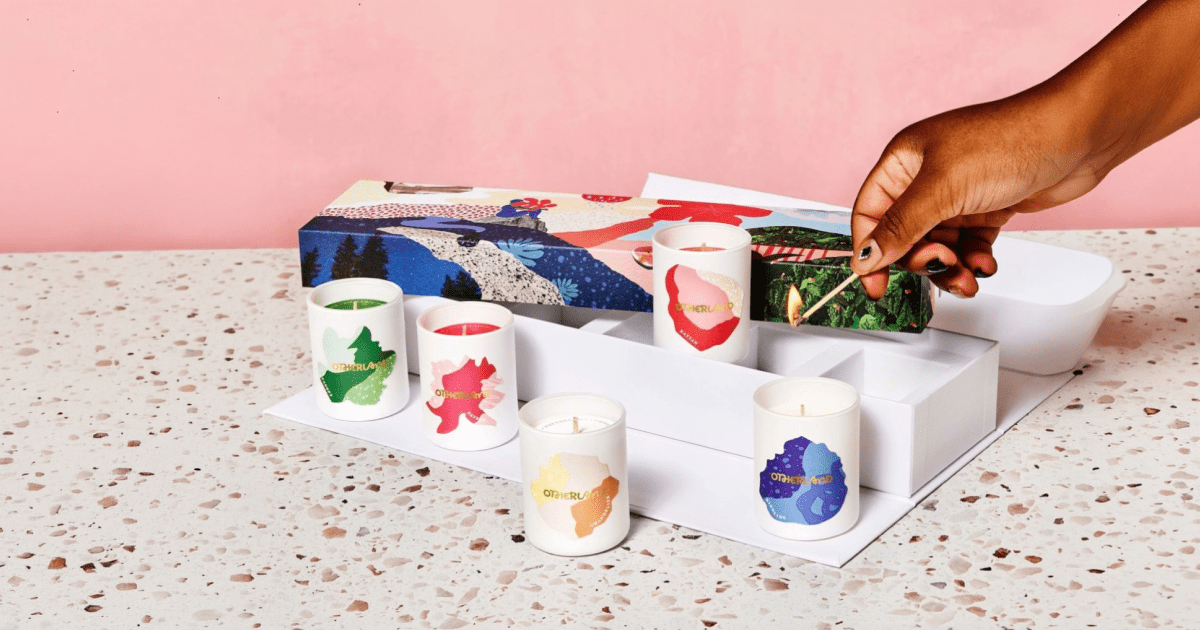
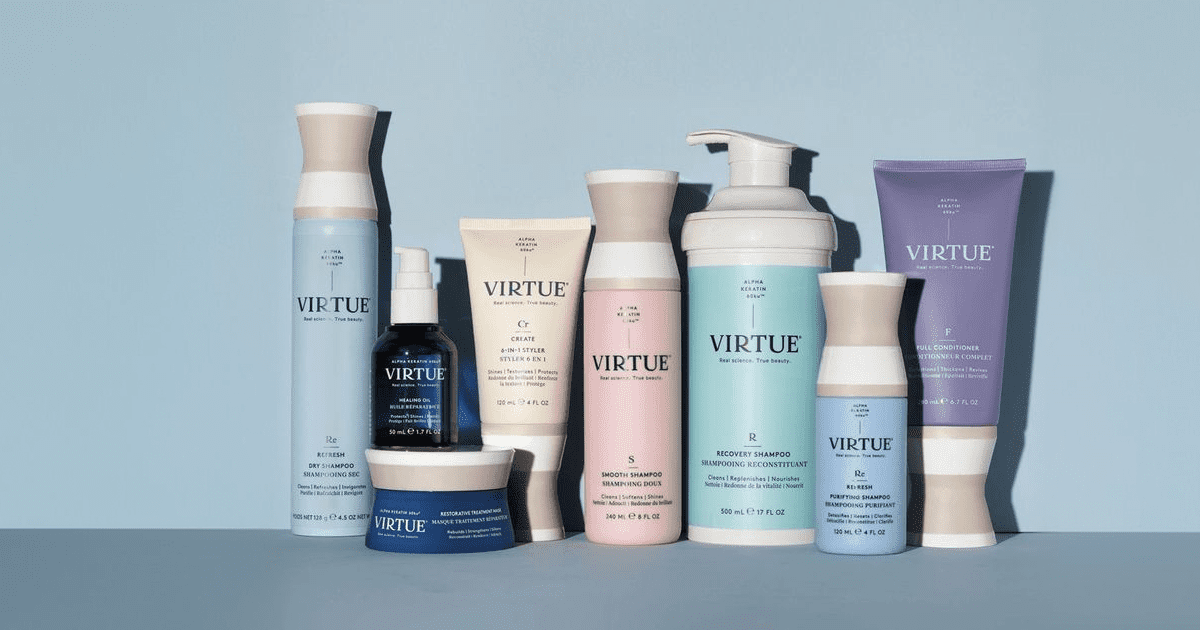
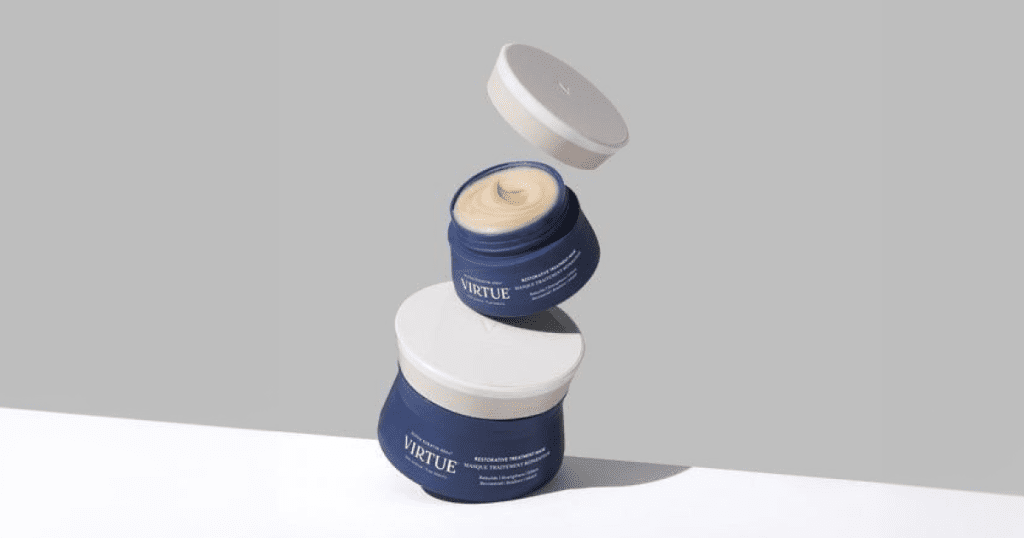
In beauty, fragrance, personal care, and luxury wine, packaging is more than a container—it is often the first physical interaction a consumer has with your brand. Yet behind every elevated unboxing experience must be a disciplined packaging supply chain strategy that protects margin, timelines, and long-term scalability.
For growth-stage brands and established premium programs alike, success depends on balancing creativity with control—from concept through delivery.
Integrating Packaging Teams with Global Production Partners
Creative teams focus on brand identity, differentiation, and storytelling. Operations teams focus on feasibility, cost, and risk mitigation. When these functions operate independently, brands encounter tooling delays, cost overruns, and supply chain friction.
An effective global packaging manufacturing strategy integrates structural engineering, material availability, and regional production capabilities early in development. Evaluating production across North America, South America, Europe, and Asia allows brands to align creative ambition with manufacturing reality.
At BIG SKY PACKAGING, we integrate as an extension of our clients’ packaging teams—bridging design intent with factory execution. By aligning creative, financial, and operational priorities at the outset, we help brands move confidently into production.
Forecasting to Reduce Excess Inventory
Inventory misalignment remains one of the most common and costly packaging challenges. Over-forecasting ties up working capital and warehouse space. Under-forecasting results in stockouts and expedited freight costs.
A disciplined packaging forecasting strategy considers:
When packaging procurement aligns with realistic demand planning, brands reduce excess inventory and preserve liquidity—particularly critical in capital-conscious environments.
Freight Optimization and Total Landed Cost Control
Freight volatility continues to pressure margins. True freight optimization in packaging evaluates more than shipping rates—it includes component nesting efficiency, pallet configuration, and production geography decisions.
Small structural adjustments can significantly improve cubic meter utilization and reduce total landed cost. Similarly, evaluating nearshore versus offshore production can influence transit time, duty exposure, and working capital requirements.
Effective packaging strategy considers the entire logistics ecosystem—not just ex-works pricing.
Operational Discipline That Supports Long-Term Growth
Sustainable scale requires structure. Clear RFQ management, diversified supplier qualification, milestone-based production oversight, and scenario-based cost modeling all contribute to operational stability.
Traditional packaging execution—thorough factory vetting, quality control processes, and disciplined documentation—remains essential. However, modern analytical tools now enhance forecasting accuracy and cost visibility.
BIG SKY PACKAGING blends traditional execution with analytical rigor, helping brands build scalable packaging solutions that protect both creative integrity and financial performance.
In a competitive global market, packaging cannot be reactive. It must be engineered strategically—balancing creativity, cost control, and operational discipline from concept to delivery.
If your brand is evaluating how to strengthen its packaging strategy for sustainable growth, we welcome the opportunity to help design a framework that supports both vision and control.
Frequently Asked Questions
An integrated strategy aligns creative, operational, and financial priorities early in development, reducing delays, cost overruns, and supply chain inefficiencies.
Brands can improve forecasting through disciplined demand planning, MOQ analysis, lead time evaluation, and ongoing alignment between sales projections and procurement schedules.
Total landed cost includes manufacturing, freight, duties, warehousing, pallet efficiency, and regional production considerations—not just quoted unit pricing.
Multi-region sourcing creates flexibility, reduces dependency on a single geography, and helps brands adapt more effectively to freight disruptions, tariff shifts, or production constraints.
Freight optimization improves margin protection by reducing shipping inefficiencies, improving pallet utilization, and lowering transportation-related costs across the supply chain.
BIG SKY PACKAGING combines structural engineering, supplier qualification, forecasting support, RFQ management, and production oversight to help brands scale with greater operational control.
For growth-stage beauty, fragrance, personal care, and luxury wine brands, cash flow is often the single most important constraint to scale. While packaging is essential to brand presentation and product protection, poorly structured packaging payment terms can place unnecessary strain on working capital.
Strategic packaging planning must include not only design and sourcing—but also disciplined cash flow management.
Deposit Structures vs. Extended Terms
Traditional global manufacturing models often require 30%–50% deposits upfront, with balance due prior to shipment. While standard, these structures can pressure liquidity—especially for emerging brands managing marketing spend, inventory build, and operational overhead simultaneously.
In some cases, negotiating extended payment terms for packaging may improve flexibility. However, extended terms are not universally advantageous. They can increase unit cost, affect supplier relationships, or introduce risk if not structured carefully.
The key is balance. Payment structures should align with forecast reliability, production scale, and supplier leverage.
Production Milestone Billing
One underutilized approach is production milestone billing—structuring payments around defined production phases such as tooling completion, sampling approval, or pre-shipment inspection.
Milestone-based billing offers several advantages:
Improved visibility into cash outflows
Alignment between financial commitment and production progress
Reduced capital exposure early in the process
For founders and CFOs managing multiple vendor payments, this structure creates predictability and financial control.
Aligning Packaging Payments with Sell-Through Cycles
Packaging investments should align with revenue generation. If payment terms require full settlement months before product launch, brands effectively finance inventory long before realizing revenue.
A disciplined packaging working capital strategy considers:
Sales velocity projections
Launch timing
Retail payment cycles
Inventory turnover rates
When packaging production and payment timing are aligned with anticipated sell-through cycles, brands reduce inventory carrying cost and preserve liquidity.
Reducing Financial Strain During Scale
As brands grow, MOQs increase, tooling investments expand, and international freight costs rise. Without structured planning, packaging can become a hidden source of financial strain.
Smarter structures may include:
Consolidated production runs to optimize MOQs
Phased inventory commitments
Multi-region sourcing to balance cost and flexibility
Payment scheduling aligned with forecasted demand
Operational discipline in packaging procurement directly supports sustainable growth.
A Financially Literate Packaging Partner
At BIG SKY PACKAGING, we understand that packaging decisions affect more than aesthetics—they affect capital allocation.
We work closely with founders, CFOs, and operations leaders to structure packaging cash flow management strategies that align production, payment timing, and forecasted revenue. Through disciplined RFQ management, diversified manufacturing options, and milestone-based oversight, we help protect liquidity while maintaining brand standards.
In today’s capital-conscious environment, strong brands combine creative excellence with financial discipline. Packaging payment structures should support growth—not restrict it.
If optimizing your packaging working capital strategy is a priority, we welcome the opportunity to support a more resilient path forward.
Frequently Asked Questions
Packaging payment structures directly affect working capital, liquidity, and operational flexibility. Well-structured terms help brands scale more sustainably without unnecessary cash flow pressure.
Milestone billing improves cash flow visibility by aligning payments with production progress, reducing upfront capital exposure and creating stronger financial control.
In some cases, yes. Extended terms may improve short-term liquidity, but they should be balanced carefully against unit cost increases, supplier expectations, and production risk.
Brands can structure production timing and payment schedules around launch dates, retail payment cycles, and projected sell-through to reduce inventory carrying costs.
Accurate demand forecasting supports smarter MOQ planning, phased inventory commitments, and more efficient payment scheduling, helping preserve working capital during growth.
BIG SKY PACKAGING helps brands optimize packaging procurement through structured RFQs, milestone-based oversight, multi-region sourcing, and cash flow-conscious production strategies.
Most beauty brands believe they are overpaying for packaging. Few know exactly where, or how to fix it without undermining the brand equity they have worked hard to build. This guide changes that. Across eight evidence-based strategies, we break down the real drivers of cosmetic packaging cost in 2026 and give you the frameworks, worked examples, and decision tools to act on them now.
Why Cosmetic Packaging Costs Are Rising in 2026
Cosmetic packaging costs are increasing in 2026 due to four primary forces: raw material inflation, ongoing supply chain instability, sustainability-driven material shifts, and elevated global shipping costs.
+30%
+$2
4
PCR & sustainable material premium over virgin plastic
Per-unit air freight premium vs sea freight
Core cost pressures reshaping packaging economics in 2026
Raw materials: Prices for glass, aluminium, and resins remain volatile due to energy costs and global demand pressures.
Supply chain disruption: Continued geopolitical uncertainty and regional production shifts are reducing efficiency and extending lead times.
Sustainable material premiums: Demand for PCR plastics, mono-material designs, and alternative substrates is rising, often at a 10–30% cost premium.
Shipping and logistics: Ocean freight, tariffs, and inland transportation costs remain elevated compared to pre-2020 benchmarks.
Key Insight
Unit price alone is no longer a reliable cost indicator. Total landed cost and supply chain strategy matter more than ever — and brands that understand the full picture will consistently outperform those that don’t.
What Actually Drives Your Packaging Cost?
Packaging cost is not driven by a single factor, it is the combination of six interdependent variables that determines your total landed cost. Understanding this framework is the first step toward making smarter decisions.
Cost Driver
What It Means for Your Budget
1. Material Type
Glass and aluminium cost more than standard plastics. PCR and sustainable substrates add a further 10–30% premium due to limited supply.
2. Order Volume (MOQ)
Higher volumes reduce unit cost through economies of scale. Low MOQs increase per-unit pricing significantly.
3. Customization Level
Stock packaging is cost-effective and fast. Custom molds require $2K–$15K+ tooling, higher MOQs, and longer lead times
4. Decoration & Finish
Hot stamping, water transfer, metallization, and multi-layer decoration increase cost vs single-color silk screening or labelling.
5. Origin & Shipping
Domestic production offers faster turnaround but higher unit cost and increased lead-times. Overseas production brings flexibility in MOQ and reduces unit cost, but adds freight, duties, and risk.
6. Lead Time
Standard timelines are cost-efficient. Rush production carries premiums through expedited manufacturing and air freight
BIG SKY PACKAGING — OUR APPROACH
By evaluating all six drivers holistically, Big Sky Packaging optimizes cost through strategic material selection, production location, and volume planning — ensuring balanced decisions, not just lower quotes.
STRATEGY 1 – Optimize Your MOQ
Increasing order volume is one of the most powerful levers for reducing unit cost, yet many brands hesitate due to cash flow concerns. In practice, even modest MOQ increases can materially improve margins.
Example: Custom Glass Cosmetic Bottle
Option
Unit Cost
Total Investment
Savings/Unit
Option A — 10,000 units
$2.00 /unit
$20,000 total
—
Option B — 20,000 units
$1.45 /unit
$29,000 total
$0.55 saved (27.5%)
The incremental spend to move from 10,000 to 20,000 units is $9,000 — yet it delivers $11,000 in unit savings across the full order: a net margin improvement of $2,000.
Break-Even Framework
Simple Calculation
If your monthly sales velocity is 5,000 units, the additional 10,000 units from Option B sell through in approximately 2 months. At $0.55 saved per unit, the decision can generate meaningful margin improvement while also reducing future replenishment costs and production frequency. The key is aligning MOQ strategy with realistic demand forecasting, inventory carrying capacity, and long-term growth objectives.
When to Increase MOQ vs Stay Conservative
Increase MOQ When
Be Conservative When
Consistent monthly sales velocity
Unproven product or new launch
Planning a product launch or scale-up
Short product lifecycle (seasonal/trend)
Packaging is shared across multiple SKUs
Limited storage or cash flow
Long lead times increase reorder risk
Rapidly evolving packaging design
STRATEGY 2 – Choose Customised Stock Over Bespoke Molds
Custom molds for cosmetic packaging typically require $2,000–$15,000 in upfront tooling — plus longer lead times and higher MOQs. Customised stock packaging delivers approximately 80% of the brand differentiation at 20% of the cost.
Direct Comparison
Factor
Custom Mold
Customized Stock
Tooling cost
$8,000
$0
Unit cost
$1.80
$2.10
Minimum order quantity
10,000 units
2,500–5,000 units
Lead time
16–20 weeks
8–12 weeks
Total cost at 5,000 units
$17,000
$10,500
The slightly higher unit cost of customized stock is more than offset by eliminating tooling and reducing inventory commitment. Brands achieve a premium look without the capital risk.
What Customized Stock Looks Like in Practice
• Custom Pantone color matching (resins or coatings)
• Silk screening, hot stamping, emboss or deboss deco and pressure-sensitive labelling
• Matte, gloss, frosted, or metallized finishes
• Custom caps, pumps, and collars paired to stock forms
BIG SKY PACKAGING — CUSTOMISED STOCK PROGRAMME Our customized stock program bridges the gap between generic and fully bespoke. With an extensive global component library spanning glass, plastic, and aluminium, advanced multi-region decoration capabilities, and MOQs suited to indie and growth brands, we deliver premium brand execution without the tooling premium. Scalable pathway: Start with customized stock. When volume justifies it, transition to custom molds — with the data to make that decision confidently.
STRATEGY 3 – Consolidate Your SKU Range
Brands with 12 SKUs across 8 different bottle formats pay a significant premium through fragmented tooling, low volumes per format, and inefficient procurement. Consolidating to 3 base components with variation in decoration only can cut procurement costs by 30–40%.
Before & After: SKU Consolidation
Before — Fragmented Portfolio
After — Consolidated Strategy
12 SKUs across 8 unique bottle formats
12 SKUs across 3 base components
Avg. MOQ per format: 3,000 units
Differentiation via color, finish & decoration
Avg. unit cost: $2.40
Avg. unit cost: $1.50–$1.70 (30–40% reduction)
Multiple suppliers, weak pricing leverage
Strong volume leverage per component
High inventory complexity & forecasting burden
Simplified reordering & supply chain stability
Key Insight
Consumers perceive differentiation through visual identity — not structural variation. Consolidating components while varying decoration delivers brand impact without operational inefficiency. A 30–40% cost reduction is achievable without changing how your products look on shelf.
STRATEGY 4 – Simplify Your Decoration Strategy
Decoration is one of the fastest ways to increase — or control — packaging cost. Many brands over-specify finishes without realising the impact on unit economics. A single decoration decision can shift unit cost by $0.50–$0.80, or 25–40% at lower MOQs.
Decoration Cost Comparison at 1,000 Units (Glass Bottle, Base Cost $1.50)
Decoration Method
Cost Added
Total Unit Cost
Best For
4-color silk screen
+$0.80–$1.00/unit
$2.30–$2.50 total
Highest cost
Hot stamp (single pass)
+$0.50–$0.70/unit
$2.00–$2.20 total
Premium look, controlled cost
1–2 color silk screen
+$0.45–$0.60/unit
$1.95–$2.10 total
~40% cheaper than 4-color
Label only
+$0.20–$0.35/unit
$1.70–$1.85 total
Lowest cost, most flexible
Use a multi-color silk screen when branding complexity is non-negotiable for your positioning.
Use 1–2 colors or hot stamps for a premium but margin-efficient balance.Use labels for speed, flexibility, and cost control — particularly for early-stage brands or new SKU testing.
Design Principle Consumers perceive premium through contrast, finish, and clarity — not necessarily color count. Simplifying decoration often preserves brand impact while materially improving margin.
STRATEGY 5 – Plan Packaging Earlier to Avoid Air Freight
Air freight is one of the most avoidable costs in cosmetic packaging. At $0.50–$2.00 per unit, a 5,000-unit order absorbs $2,500–$10,000 in unnecessary spend — simply from missing a planning window. Most air freight is not a strategic decision. It is a reactive one.
Packaging Planning Calendar — Work Backwards from Launch Date
Timeline
Action Required
Week –20 to –16
Finalize specifications and confirm supplier. Lock packaging specs, decoration, and materials. No decisions should be pending at this stage.
Week –16 to –12
Sampling and testing. Review pre-production samples, test formula compatibility, approve color and finish adjustments.
Week –12 to –6
Full production run. No specification changes at this stage. Monitor production milestones with suppliers.
Week –12 to –6
Sea freight and customs. Ocean shipment in transit. Customs documentation prepared. Inland delivery coordinated.
Buffer: 2–4 weeks before launch
Packaging received, quality inspected, and ready for filling and assembly. Buffer absorbs minor delays without cost impact.
The Rule Miss this timeline by a few weeks, and you pay for speed. Plan ahead, and you protect the margin. Big Sky Packaging builds realistic timelines into every project — aligning production location with launch dates to prevent costly last-minute freight decisions.
STRATEGY 6– Switch to PCR Plastic Strategically
PCR (post-consumer recycled) plastic typically adds a 15–25% material premium over virgin plastic. But for the right brand and positioning, it is not just a cost increase — it is a commercial lever.
The Financial Tradeoff
Scenario
Unit Cost
Retail Price
Net Impact
Virgin plastic bottle
$1.00/unit
Retail: $20.00
Baseline
PCR version (+20% premium)
$1.20/unit
Retail: $20.00
+$0.20 cost
PCR with 10% price lift
$1.20/unit
Retail: $22.00
+$1.80 margin gain
Properly positioned, a $0.20 incremental cost can unlock $2.00 in additional revenue per unit — a strongly positive margin impact.
Decision Framework
Ask Yourself Can a clear sustainability story justify a 10–20% retail premium or meaningfully increase conversion for your specific customer? Yes → PCR likely improves margin. Apply to hero SKUs where packaging is visible and the story is compelling. No → Use selectively. PCR may be less effective in price-sensitive mass channels or low-margin SKUs.
STRATEGY 7 – Use Regional Warehousing to Reduce Per-Shipment Costs
Freight is consistently underestimated as a packaging cost driver. Ordering in larger volumes and storing regionally can reduce per-unit landed cost by 15–20% through shipment consolidation.
Quarterly vs Annual Ordering
Quarterly (4 Shipments)
Annual (1 Consolidated Shipment)
5,000 units × 4 shipments per year
20,000 units × 1 shipment per year
Higher freight cost per unit
15–20% lower landed cost per unit
More frequent customs clearance events
Single customs clearance event
Lower inventory risk per order cycle
Better pricing leverage with supplier
Warehousing Models
Model
Storage Cost
Speed
Best For
Domestic (U.S.)
Higher
Fastest
Fast-moving SKUs
Origin (overseas)
Lower
Longer lead time
Stable, predictable products
Hybrid model (recommended)
Optimized
Balanced
Most brands — best of both
Carrying Cost Rule of Thumb
Holding inventory typically costs 15–25% annually, including storage, insurance, and cost of capital. Freight savings must outweigh carrying costs for bulk ordering to make financial sense — this calculation is project-specific, not universal.
STRATEGY 8 – Audit Your Current Packaging Spend
Many brands overpay simply because they have never completed a structured packaging cost audit. A focused review can uncover 10–25% savings without changing the product. The process is straightforward — and the financial impact is immediate.
Step-by-Step Packaging Spend Audit
1. List all active SKUs and packaging components. Map every primary component, secondary packaging, closures, and decoration types. This step alone often highlights consolidation opportunities.
2. Calculate landed cost per unit for each component. Include unit price + freight + duties + logistics + warehousing. A bottle quoted at $1.20 often lands at $1.60–$1.80.
3. Identify your top 3 highest-cost components. Typically 2–3 components account for the majority of packaging spend. Focus here for maximum impact.
4. Request competitive quotes for those 3 components. Benchmark against domestic and international options. A $0.20 reduction across 50,000 units = $10,000 in annual savings.
5. Calculate savings potential and implement at next reorder. Align changes with existing production cycles to avoid mid-cycle disruptions.
BIG SKY PACKAGING — FREE PACKAGING COST REVIEW Our free packaging cost review includes a full landed cost analysis across your active SKU portfolio, supplier and region benchmarking, and specific cost-reduction recommendations you can implement at your next reorder. No commitment required. Request your review at: bigskypackaging.com/contact/
DATA – How Much Can You Realistically Save on Cosmetic Packaging?
Savings vary by scale — but most brands can reduce packaging costs by 10–35% with the right strategy. Here are realistic benchmarks by brand size.
Startup — Under 1,000 units/month Example: $2.50 → $2.00/unit Key levers: MOQ optimization, simplified decoration, stock components, domestic production
Established Brand — 10,000+ units/month Example: $1.80 → $1.40/unit Key levers: Global production strategy, volume leverage, material optimization, regional warehousing
15–25% savings possible
The Most Important Insight
The largest savings typically come from structural decisions — not price negotiation. Brands that reassess how packaging is designed, sourced, and shipped consistently outperform those that simply request lower quotes.
Our team will analyse your current packaging portfolio, calculate your true landed cost per unit, and identify specific savings opportunities — at no cost and no obligation. Most brands find 10–25% in savings they didn’t know they had.
Frequently Asked Questions
Focus on the biggest cost drivers: MOQ, material choice, decoration, and shipping strategy. Most brands achieve 10–30% savings by simplifying SKUs, optimizing order volume, and reviewing total landed cost — not just unit price. A structured audit of your current packaging spend is the fastest way to identify where to start.
Yes — higher volumes typically reduce unit cost by 20–35% through economies of scale. The key is aligning order size with your actual sales velocity to avoid excess inventory. Ordering 1,000 units instead of 500 can reduce cost per unit by 30% for an incremental spend of just a few hundred dollars
Standard plastic packaging with minimal decoration (label only) is typically the lowest-cost option. Stock components avoid tooling costs and allow for lower MOQs. For brands that need a premium feel, customized stock packaging delivers strong brand presence at a fraction of the cost of fully bespoke solutions.
Simplify structure and use decoration strategically. Consumers perceive premium through finish and clarity, not structural complexity. Customized stock packaging often delivers strong brand identity at a fraction of the cost of custom molds. Consolidating SKUs to fewer base components while varying decoration is another way to maintain brand impact while cutting costs by 30–40%.
Plastic is generally more cost-effective due to lower material cost, lighter weight (reducing freight), and greater availability at lower MOQs. Glass offers a premium feel and strong sustainability positioning but carries higher production, freight, and breakage costs. The right choice depends on your brand positioning, channel, and margin structure — not cost alone.
Decoration can add $0.20 to $1.00+ per unit depending on complexity. At 1,000 units: a label adds roughly $0.20–$0.35/unit, 1–2 color silk screen adds $0.45–$0.60/unit, hot stamp adds $0.50–$0.70/unit, and 4-color silk screen adds $0.80–$1.00/unit. Choosing 1–2 colors over full-color decoration saves approximately 40% on decoration cost.
Yes — supplier benchmarking consistently reveals 10–25% savings opportunities, particularly when brands have not reviewed their pricing in 12+ months. A structured transition — aligning supplier changes with natural reorder cycles — ensures cost reduction without disrupting supply or quality.
Customized stock packaging is the most cost-effective approach for most brands. It avoids tooling investment ($2K–$15K+ for bespoke molds) while achieving strong brand differentiation through custom color, finish, and decoration on proven stock components. This approach delivers approximately 80% of the visual impact of fully custom packaging at 20% of the cost.
The most effective strategies for startup brands: use stock components to avoid tooling, limit SKU count (fewer formats = higher volume per component = better pricing), keep decoration simple (1–2 colors or label), plan timelines to avoid air freight, and consider domestic production for lower-volume runs to reduce minimum order risk.
Sustainable materials like PCR typically carry a 10–25% material premium. However, when positioned correctly, they can support 10–20% higher retail pricing and improved conversion — resulting in a net positive margin impact. The key is applying PCR strategically where sustainability is visible, valued by your customer, and can be communicated clearly as part of your brand story.
In a volatile global trade environment, tariff exposure can significantly alter packaging economics. For beauty, fragrance, personal care, and luxury wine brands, understanding packaging tariff impact is no longer a procurement detail—it is a financial discipline.
To protect margin and ensure long-term scalability, brands must model the true cost of packaging beyond unit price.
The Importance of HTS Code Classification
Every imported packaging component is assigned a Harmonized Tariff Schedule (HTS) code. Proper HTS code classification for packaging determines applicable duty rates and directly affects total landed cost.
Misclassification can result in:
Unexpected duty exposure
Retroactive penalties
Delays at customs
Strategic packaging partners review HTS codes early in the sourcing process to evaluate duty implications before production begins. Even minor material or component adjustments can shift tariff classifications and reduce exposure.
Scenario Planning for Tariff Increases
Trade policy can change quickly. Brands that rely on a single production geography are particularly vulnerable to sudden tariff increases.
A disciplined tariff mitigation strategy includes:
Modeling multiple duty scenarios
Evaluating alternative production regions
Comparing landed cost across geographies
Building optionality into long-term supplier agreements
Scenario planning allows brands to anticipate cost shifts rather than react to them under pressure.
Modeling True Packaging Costs: Beyond Unit Price
Too often, packaging decisions are made based solely on quoted unit cost. However, accurate packaging cost modelingmust include:
Import duties and tariff rates
Ocean or air freight costs
Inland transportation
Warehousing and inventory carrying costs
Port fees and customs brokerage
This comprehensive view of total landed cost for packaging provides a clearer understanding of margin impact. In some cases, a slightly higher ex-works unit price from a different region can result in lower overall landed cost when duty and freight are considered.
Alternative Manufacturing Strategies When Tariffs Shift
When tariffs increase or trade tensions escalate, brands must evaluate alternative manufacturing strategies quickly and methodically.
Options may include:
Nearshoring to reduce tariff exposure
Splitting production between regions
Adjusting materials to alter HTS classification
Re-engineering components to improve freight efficiency
The key is flexibility. A diversified production framework provides leverage and optionality in uncertain environments.
Financial Literacy as a Competitive Advantage
At BIG SKY PACKAGING, we approach packaging through the lens of operational discipline and financial rigor. We integrate tariff impact analysis, HTS code review, and total landed cost modeling into every sourcing decision.
Our clients benefit from structured RFQ processes, multi-region manufacturing capabilities, and scenario-based cost modeling designed to protect margin and reduce exposure.
In today’s market, creative excellence must be matched by financial intelligence. Brands that understand their full packaging cost structure—and build flexibility into their supply chain—are better positioned to scale confidently, regardless of trade volatility.
Are You Ready to Model a More Resilient Packaging Strategy?
If evaluating your packaging tariff exposure is a priority, we welcome the opportunity to help model a more resilient strategy.
FAQs
Tariff rates, trade policies, and country-specific duties can change quickly. Regular reviews help brands avoid unexpected cost increases, maintain pricing accuracy, and protect operating margins.
HTS codes determine the duty rate applied to imported components. Incorrect classification may increase landed costs, create customs delays, or trigger compliance penalties.
Total landed cost typically includes unit price, tariffs, freight, inland transport, customs brokerage, port fees, warehousing, and inventory carrying costs. This provides a more accurate view of true spend.
Yes. Diversifying production across multiple regions or nearshoring certain components can lower duty exposure, improve flexibility, and reduce dependence on a single sourcing market.
Leading brands review tariff scenarios quarterly or whenever major trade policy shifts occur. Proactive modeling allows faster decision-making when market conditions change.
BIG SKY PACKAGING helps brands through HTS code reviews, structured RFQ sourcing, multi-region manufacturing options, and landed cost modeling designed to improve resilience and protect margins
The BIG SKY PACKAGING team offers a range of sustainable packaging solutions, in various materials, to meet the increasing demand for environmentally-conscious brands.
Bottles made from sustainable sources offer the opportunity for brands to demonstrate their environmental awareness, through packaging choices. The materials, as well as a quick introduction to each, are listed below:
PCR (Post Consumer Regrind)
PLA (Polylactic Acid)
Sugarcane Polymer
Eco-friendly Printing
PCR (POST CONSUMER REGRIND)
PCR is plastic products that have been recycled, which means they have been reprocessed to be re-used in new manufacturing
PCR conserves energy and non-renewable resources as recycling replaces the need for primary extraction and the manufacture of new plastics
BSP offers a range of PCR materials for use in the production of plastic bottles and jars at levels of between 25% – 100% in PET and up to 50% in HDPE*
PCR tubes are available for use with PE starting at 25% PCR material
*Subject to material availability
PLA (POLYLACTIC ACID)
PLA is a compostable polymer derived from renewable sources such as cornstarch
BSP partners have tested PLA in various manufacturing processes and the results to date have been promising although there are some limitations on what can be produced
We would be happy to develop this further in partnership with a customer – please contact the BSP sales team to discuss
SUGARCANE POLYMER
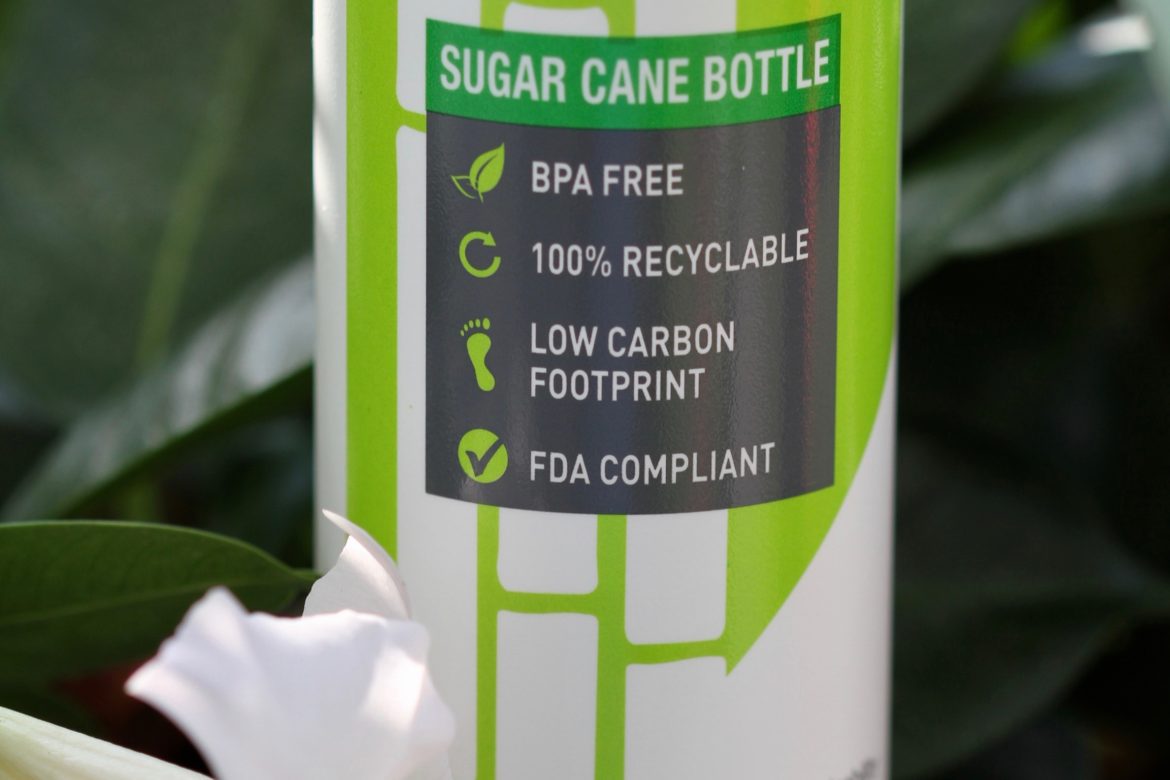
Polymer made using bio-oil derived from sugar cane rather than traditional oil
BSP partners are currently producing sugarcane flexible tubes and bottles for the packaging market
Retains the same properties as traditional oil-based polymers
100% renewable
Possible to achieve a negative carbon footprint
Investigating Polyethylene Furanoate (PEF) source, Bio-polymer equivalent to PET
Sugarcane Closures are also available.
ECO-FRIENDLY DECORATION
Printing adds very little gram weight to the product. In addition, label materials are sometimes inconsistent with the bottle which can hinder recycling.
Please contact the BIG SKY PACKAGING team today and learn how we can help build your brand.
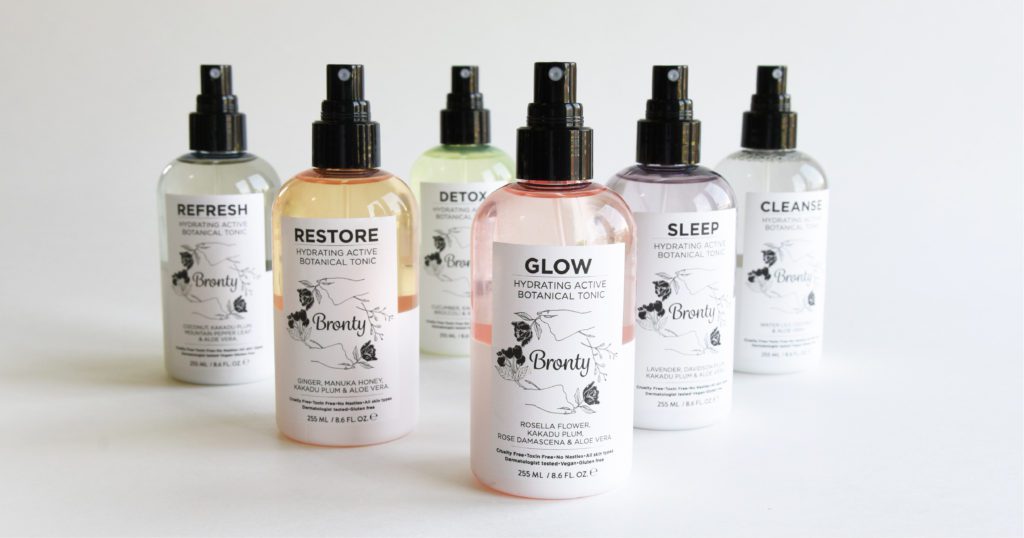
BIG SKY PACKAGING is delighted to announce the launch of Bronty Beauty, a collection of breakthrough products using cellular extraction.
Bronty Beauty products draw on the brilliance of nature’s design; understanding how compounds are stored, nutrient transport systems, cellular composition, plant mechanisms, and the influence of environmental stressors, to innovate a process that respects bio-mimics mechanisms tried and tested by nature over billions of years.
In addition, the Bronty Beauty approach is superior to past processes of maceration and percolation that have degraded and compromised the natural molecules within the cell.
The BIG SKY PACKAGING team worked intimately with the Bronty Beauty team throughout the packaging development. From package engineering, form, material and decoration evaluation, COG analysis, and production management to transport and shipping of final packaging.
Visit Bronty Beauty for more information on the people, products, and pricing!
All customized stock packaging solutions are provided by the BIG SKY PACKAGING team / NYC.
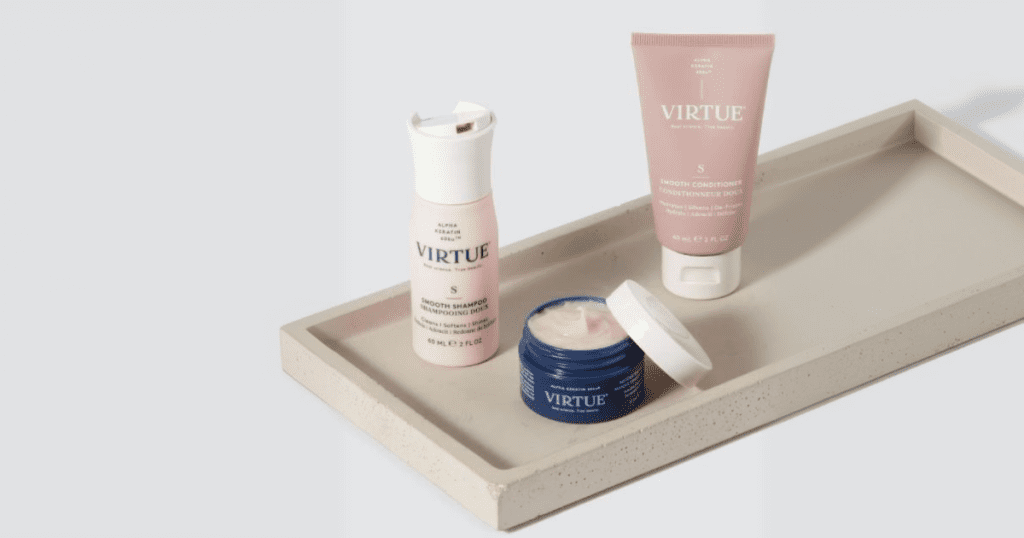
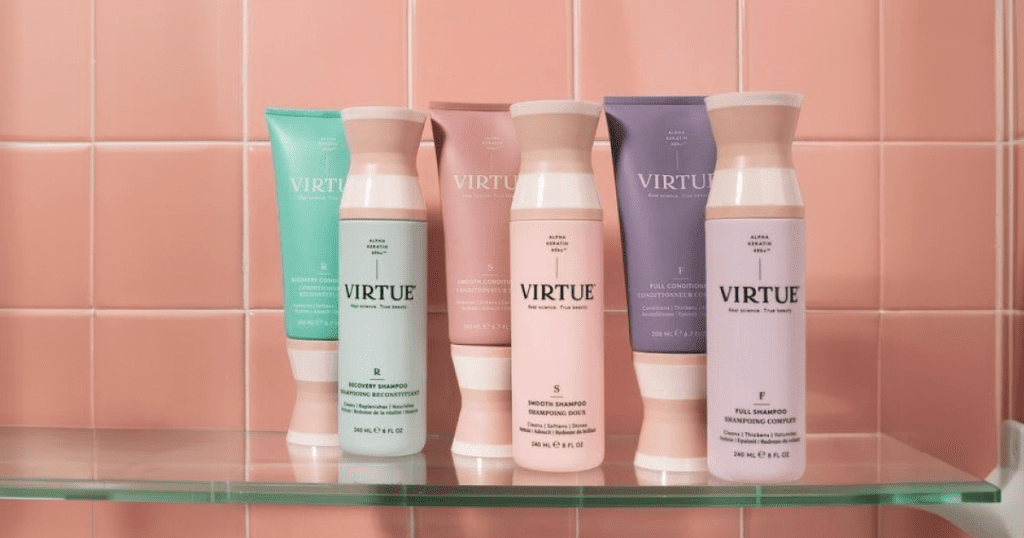
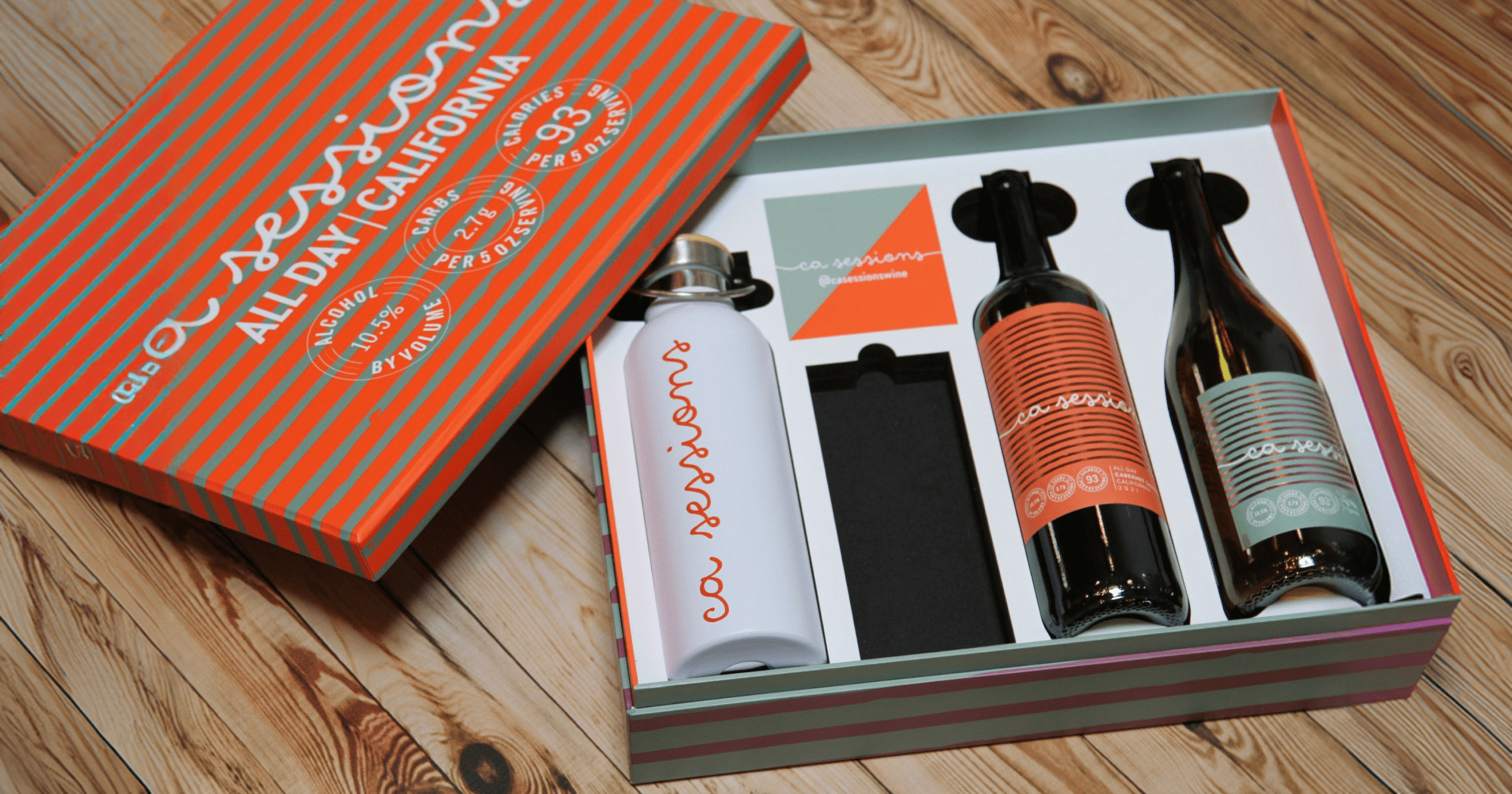
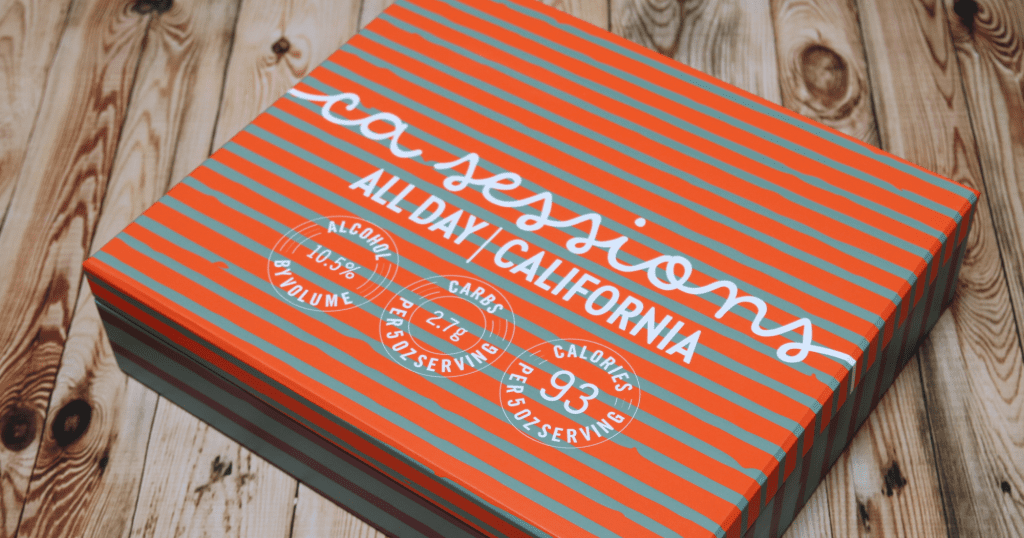
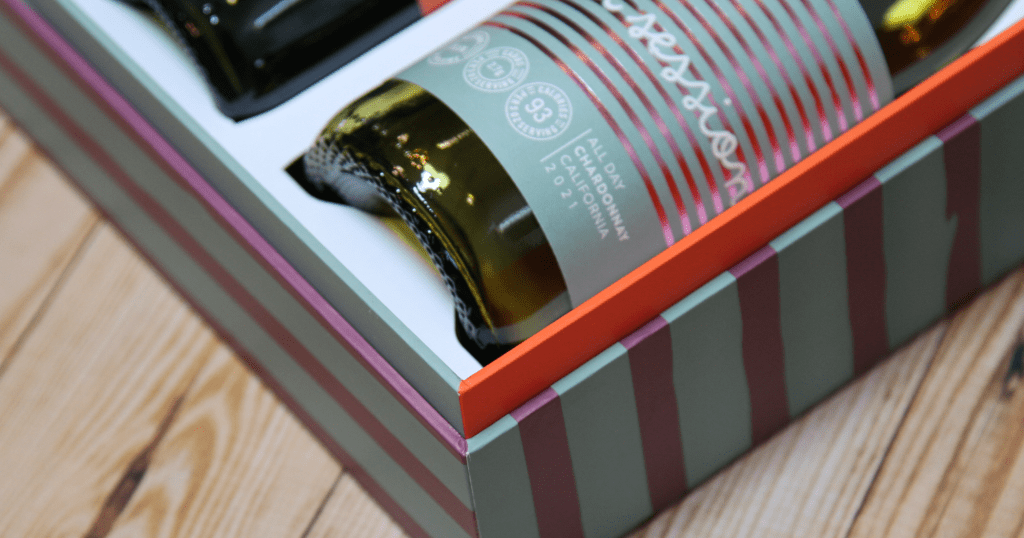
It highlights how customized stock packaging was used to create a strong brand presence.
Customized stock packaging uses existing packaging components enhanced with custom colors, decoration, finishes, labels, or branded elements to create a unique look without fully custom tooling. It offers a cost-effective, scalable solution that helps brands achieve premium packaging, faster production timelines, and strong shelf appeal while staying within budget.
It reduces cost and lead time compared to fully custom solutions.
By enhancing stock components with branding, finishes, and design adjustments.
Brands can achieve premium results without fully custom development.