How to Reduce Cosmetic Packaging Costs Without Sacrificing Quality

Most beauty brands believe they are overpaying for packaging. Few know exactly where, or how to fix it without undermining the brand equity they have worked hard to build. This guide changes that. Across eight evidence-based strategies, we break down the real drivers of cosmetic packaging cost in 2026 and give you the frameworks, worked examples, and decision tools to act on them now.

 Why Cosmetic Packaging Costs Are Rising in 2026

Cosmetic packaging costs are increasing in 2026 due to four primary forces: raw material inflation, ongoing supply chain instability, sustainability-driven material shifts, and elevated global shipping costs.

+30%+$24
PCR & sustainable material premium over virgin plasticPer-unit air freight premium vs sea freight
Core cost pressures reshaping packaging economics in 2026

Raw materials: Prices for glass, aluminium, and resins remain volatile due to energy costs and global demand pressures.

Supply chain disruption: Continued geopolitical uncertainty and regional production shifts are reducing efficiency and extending lead times.

Sustainable material premiums: Demand for PCR plastics, mono-material designs, and alternative substrates is rising, often at a 10–30% cost premium.

Shipping and logistics: Ocean freight, tariffs, and inland transportation costs remain elevated compared to pre-2020 benchmarks.

Key Insight

Unit price alone is no longer a reliable cost indicator. Total landed cost and supply chain strategy matter more than ever — and brands that understand the full picture will consistently outperform those that don’t.

 What Actually Drives Your Packaging Cost?

Packaging cost is not driven by a single factor, it is the combination of six interdependent variables that determines your total landed cost. Understanding this framework is the first step toward making smarter decisions.

Cost DriverWhat It Means for Your Budget
1. Material Type
Glass and aluminium cost more than standard plastics. PCR and sustainable substrates add a further 10–30% premium due to limited supply.
2. Order Volume (MOQ)Higher volumes reduce unit cost through economies of scale. Low MOQs increase per-unit pricing significantly.
3. Customization Level
Stock packaging is cost-effective and fast. Custom molds require $2K–$15K+ tooling, higher MOQs, and longer lead times
4. Decoration & Finish
Hot stamping, water transfer, metallization, and multi-layer decoration increase cost vs single-color silk screening or labelling.
5. Origin & ShippingDomestic production offers faster turnaround but higher unit cost and increased lead-times.  Overseas production brings flexibility in MOQ and reduces unit cost, but adds freight, duties, and risk.
6. Lead TimeStandard timelines are cost-efficient. Rush production carries premiums through expedited manufacturing and air freight

BIG SKY PACKAGING — OUR APPROACH

By evaluating all six drivers holistically, Big Sky Packaging optimizes cost through strategic material selection, production location, and volume planning — ensuring balanced decisions, not just lower quotes.

STRATEGY 1Optimize Your MOQ

Optimize Your MOQ

Increasing order volume is one of the most powerful levers for reducing unit cost, yet many brands hesitate due to cash flow concerns. In practice, even modest MOQ increases can materially improve margins.

Example: Custom Glass Cosmetic Bottle

OptionUnit CostTotal InvestmentSavings/Unit
Option A — 10,000 units$2.00 /unit$20,000 total
Option B — 20,000 units$1.45 /unit$29,000 total$0.55 saved (27.5%)

The incremental spend to move from 10,000 to 20,000 units is $9,000 — yet it delivers $11,000 in unit savings across the full order: a net margin improvement of $2,000.

Break-Even Framework

Simple Calculation

If your monthly sales velocity is 5,000 units, the additional 10,000 units from Option B sell through in approximately 2 months. At $0.55 saved per unit, the decision can generate meaningful margin improvement while also reducing future replenishment costs and production frequency. The key is aligning MOQ strategy with realistic demand forecasting, inventory carrying capacity, and long-term growth objectives.

When to Increase MOQ vs Stay Conservative

Increase MOQ WhenBe Conservative When
Consistent monthly sales velocityUnproven product or new launch
 Planning a product launch or scale-upShort product lifecycle (seasonal/trend)
Packaging is shared across multiple SKUsLimited storage or cash flow
Long lead times increase reorder riskRapidly evolving packaging design

STRATEGY 2Choose Customised Stock Over Bespoke Molds

Custom molds for cosmetic packaging typically require $2,000–$15,000 in upfront tooling — plus longer lead times and higher MOQs. Customised stock packaging delivers approximately 80% of the brand differentiation at 20% of the cost.

Direct Comparison

FactorCustom MoldCustomized Stock
Tooling cost$8,000$0
Unit cost$1.80$2.10
Minimum order quantity10,000 units2,500–5,000 units
Lead time16–20 weeks8–12 weeks
Total cost at 5,000 units$17,000$10,500

The slightly higher unit cost of customized stock is more than offset by eliminating tooling and reducing inventory commitment. Brands achieve a premium look without the capital risk.

What Customized Stock Looks Like in Practice

•       Custom Pantone color matching (resins or coatings)

•       Silk screening, hot stamping, emboss or deboss deco and pressure-sensitive labelling

•       Matte, gloss, frosted, or metallized finishes

•       Custom caps, pumps, and collars paired to stock forms

•       Secondary packaging enhancements — cartons, inserts, sleeves

BIG SKY PACKAGING — CUSTOMISED STOCK PROGRAMME
Our customized stock program bridges the gap between generic and fully bespoke. With an extensive global component library spanning glass, plastic, and aluminium, advanced multi-region decoration capabilities, and MOQs suited to indie and growth brands, we deliver premium brand execution without the tooling premium.
Scalable pathway: Start with customized stock. When volume justifies it, transition to custom molds — with the data to make that decision confidently.

STRATEGY 3Consolidate Your SKU Range

Consolidate Your SKU Range

Brands with 12 SKUs across 8 different bottle formats pay a significant premium through fragmented tooling, low volumes per format, and inefficient procurement. Consolidating to 3 base components with variation in decoration only can cut procurement costs by 30–40%.

Before & After: SKU Consolidation

Before — Fragmented PortfolioAfter — Consolidated Strategy
12 SKUs across 8 unique bottle formats12 SKUs across 3 base components
Avg. MOQ per format: 3,000 unitsDifferentiation via color, finish & decoration
Avg. unit cost: $2.40Avg. unit cost: $1.50–$1.70 (30–40% reduction)
Multiple suppliers, weak pricing leverageStrong volume leverage per component
High inventory complexity & forecasting burdenSimplified reordering & supply chain stability

Key Insight

Consumers perceive differentiation through visual identity — not structural variation. Consolidating components while varying decoration delivers brand impact without operational inefficiency. A 30–40% cost reduction is achievable without changing how your products look on shelf.

STRATEGY 4Simplify Your Decoration Strategy

Decoration is one of the fastest ways to increase — or control — packaging cost. Many brands over-specify finishes without realising the impact on unit economics. A single decoration decision can shift unit cost by $0.50–$0.80, or 25–40% at lower MOQs.

Decoration Cost Comparison at 1,000 Units (Glass Bottle, Base Cost $1.50)

Decoration MethodCost AddedTotal Unit CostBest For
4-color silk screen+$0.80–$1.00/unit$2.30–$2.50 totalHighest cost
Hot stamp (single pass)+$0.50–$0.70/unit$2.00–$2.20 totalPremium look, controlled cost
1–2 color silk screen+$0.45–$0.60/unit$1.95–$2.10 total~40% cheaper than 4-color
Label only+$0.20–$0.35/unit$1.70–$1.85 totalLowest cost, most flexible

Use a multi-color silk screen when branding complexity is non-negotiable for your positioning.

Use 1–2 colors or hot stamps for a premium but margin-efficient balance.Use labels for speed, flexibility, and cost control — particularly for early-stage brands or new SKU testing.

Design Principle
Consumers perceive premium through contrast, finish, and clarity — not necessarily color count. Simplifying decoration often preserves brand impact while materially improving margin.

STRATEGY 5Plan Packaging Earlier to Avoid Air Freight
Plan Packaging Earlier to Avoid Air Freight

Air freight is one of the most avoidable costs in cosmetic packaging. At $0.50–$2.00 per unit, a 5,000-unit order absorbs $2,500–$10,000 in unnecessary spend — simply from missing a planning window. Most air freight is not a strategic decision. It is a reactive one.

Packaging Planning Calendar — Work Backwards from Launch Date

TimelineAction Required
Week –20 to –16Finalize specifications and confirm supplier. Lock packaging specs, decoration, and materials. No decisions should be pending at this stage.
Week –16 to –12Sampling and testing. Review pre-production samples, test formula compatibility, approve color and finish adjustments.
Week –12 to –6Full production run. No specification changes at this stage. Monitor production milestones with suppliers.
Week –12 to –6Sea freight and customs. Ocean shipment in transit. Customs documentation prepared. Inland delivery coordinated.
Buffer: 2–4 weeks before launchPackaging received, quality inspected, and ready for filling and assembly. Buffer absorbs minor delays without cost impact.

The Rule
Miss this timeline by a few weeks, and you pay for speed. Plan ahead, and you protect the margin. Big Sky Packaging builds realistic timelines into every project — aligning production location with launch dates to prevent costly last-minute freight decisions.

STRATEGY 6Switch to PCR Plastic Strategically

PCR (post-consumer recycled) plastic typically adds a 15–25% material premium over virgin plastic. But for the right brand and positioning, it is not just a cost increase — it is a commercial lever.

The Financial Tradeoff

ScenarioUnit CostRetail PriceNet Impact
Virgin plastic bottle$1.00/unitRetail: $20.00Baseline
PCR version (+20% premium)$1.20/unitRetail: $20.00+$0.20 cost
PCR with 10% price lift$1.20/unitRetail: $22.00+$1.80 margin gain

Properly positioned, a $0.20 incremental cost can unlock $2.00 in additional revenue per unit — a strongly positive margin impact.

Decision Framework

Ask Yourself
Can a clear sustainability story justify a 10–20% retail premium or meaningfully increase conversion for your specific customer?  Yes → PCR likely improves margin. Apply to hero SKUs where packaging is visible and the story is compelling. No → Use selectively. PCR may be less effective in price-sensitive mass channels or low-margin SKUs.

STRATEGY 7Use Regional Warehousing to Reduce Per-Shipment Costs
Use Regional Warehousing to Reduce Per Shipment Costs

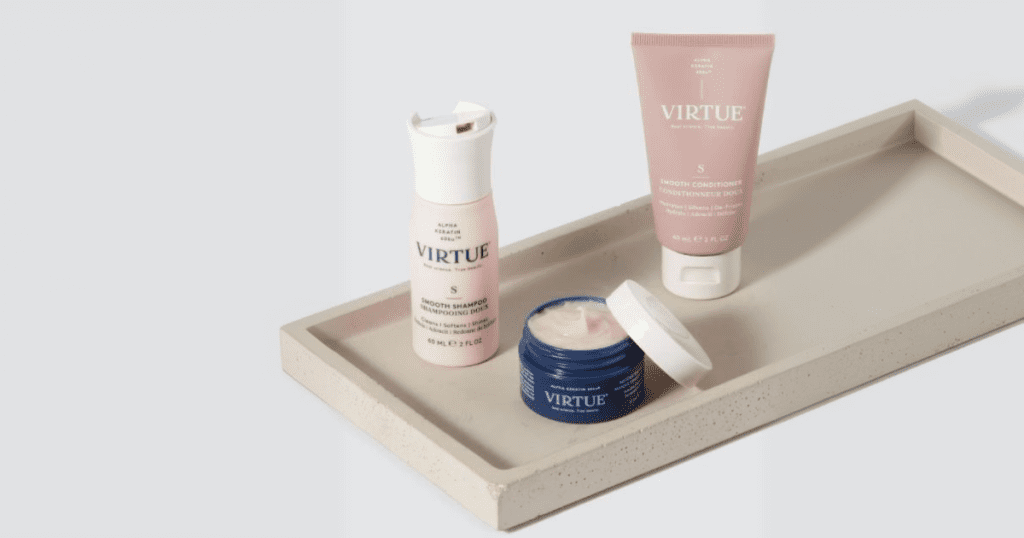
Freight is consistently underestimated as a packaging cost driver. Ordering in larger volumes and storing regionally can reduce per-unit landed cost by 15–20% through shipment consolidation.

Quarterly vs Annual Ordering

Quarterly (4 Shipments)Annual (1 Consolidated Shipment)
5,000 units × 4 shipments per year20,000 units × 1 shipment per year
Higher freight cost per unit15–20% lower landed cost per unit
More frequent customs clearance eventsSingle customs clearance event
Lower inventory risk per order cycleBetter pricing leverage with supplier

Warehousing Models

ModelStorage CostSpeedBest For
Domestic (U.S.)HigherFastestFast-moving SKUs
Origin (overseas)LowerLonger lead timeStable, predictable products
Hybrid model (recommended)OptimizedBalancedMost brands — best of both

Carrying Cost Rule of Thumb

Holding inventory typically costs 15–25% annually, including storage, insurance, and cost of capital. Freight savings must outweigh carrying costs for bulk ordering to make financial sense — this calculation is project-specific, not universal.

STRATEGY 8Audit Your Current Packaging Spend

Many brands overpay simply because they have never completed a structured packaging cost audit. A focused review can uncover 10–25% savings without changing the product. The process is straightforward — and the financial impact is immediate.

Step-by-Step Packaging Spend Audit

1.     List all active SKUs and packaging components. Map every primary component, secondary packaging, closures, and decoration types. This step alone often highlights consolidation opportunities.

2.     Calculate landed cost per unit for each component. Include unit price + freight + duties + logistics + warehousing. A bottle quoted at $1.20 often lands at $1.60–$1.80.

3.     Identify your top 3 highest-cost components. Typically 2–3 components account for the majority of packaging spend. Focus here for maximum impact.

4.     Request competitive quotes for those 3 components. Benchmark against domestic and international options. A $0.20 reduction across 50,000 units = $10,000 in annual savings.

5.     Calculate savings potential and implement at next reorder. Align changes with existing production cycles to avoid mid-cycle disruptions.

BIG SKY PACKAGING — FREE PACKAGING COST REVIEW
Our free packaging cost review includes a full landed cost analysis across your active SKU portfolio, supplier and region benchmarking, and specific cost-reduction recommendations you can implement at your next reorder. No commitment required.
Request your review at: bigskypackaging.com/contact/

DATAHow Much Can You Realistically Save on Cosmetic Packaging?
How Much Can You Realistically Save on Cosmetic Packaging

Savings vary by scale — but most brands can reduce packaging costs by 10–35% with the right strategy. Here are realistic benchmarks by brand size.

Startup — Under 1,000 units/month
Example: $2.50 → $2.00/unit
Key levers: MOQ optimization, simplified decoration, stock components, domestic production
10–20%
savings possible
Growth Brand — 1,000–10,000 units/month
Example: $2.20 → $1.50/unit
Key levers: Supplier benchmarking, SKU consolidation, freight optimization, volume leverage
20–35%
savings possible
Established Brand — 10,000+ units/month
Example: $1.80 → $1.40/unit
Key levers: Global production strategy, volume leverage, material optimization, regional warehousing
15–25%
savings possible

The Most Important Insight

The largest savings typically come from structural decisions — not price negotiation. Brands that reassess how packaging is designed, sourced, and shipped consistently outperform those that simply request lower quotes.

READY TO REDUCE YOUR PACKAGING COSTS?

Get a Free Packaging Cost Review from Big Sky Packaging

Our team will analyse your current packaging portfolio, calculate your true landed cost per unit, and identify specific savings opportunities — at no cost and no obligation. Most brands find 10–25% in savings they didn’t know they had.

Frequently Asked Questions

Focus on the biggest cost drivers: MOQ, material choice, decoration, and shipping strategy. Most brands achieve 10–30% savings by simplifying SKUs, optimizing order volume, and reviewing total landed cost — not just unit price. A structured audit of your current packaging spend is the fastest way to identify where to start.

Yes — higher volumes typically reduce unit cost by 20–35% through economies of scale. The key is aligning order size with your actual sales velocity to avoid excess inventory. Ordering 1,000 units instead of 500 can reduce cost per unit by 30% for an incremental spend of just a few hundred dollars

Standard plastic packaging with minimal decoration (label only) is typically the lowest-cost option. Stock components avoid tooling costs and allow for lower MOQs. For brands that need a premium feel, customized stock packaging delivers strong brand presence at a fraction of the cost of fully bespoke solutions.

Simplify structure and use decoration strategically. Consumers perceive premium through finish and clarity, not structural complexity. Customized stock packaging often delivers strong brand identity at a fraction of the cost of custom molds. Consolidating SKUs to fewer base components while varying decoration is another way to maintain brand impact while cutting costs by 30–40%.

Plastic is generally more cost-effective due to lower material cost, lighter weight (reducing freight), and greater availability at lower MOQs. Glass offers a premium feel and strong sustainability positioning but carries higher production, freight, and breakage costs. The right choice depends on your brand positioning, channel, and margin structure — not cost alone.

Decoration can add $0.20 to $1.00+ per unit depending on complexity. At 1,000 units: a label adds roughly $0.20–$0.35/unit, 1–2 color silk screen adds $0.45–$0.60/unit, hot stamp adds $0.50–$0.70/unit, and 4-color silk screen adds $0.80–$1.00/unit. Choosing 1–2 colors over full-color decoration saves approximately 40% on decoration cost.

Yes — supplier benchmarking consistently reveals 10–25% savings opportunities, particularly when brands have not reviewed their pricing in 12+ months. A structured transition — aligning supplier changes with natural reorder cycles — ensures cost reduction without disrupting supply or quality.

Customized stock packaging is the most cost-effective approach for most brands. It avoids tooling investment ($2K–$15K+ for bespoke molds) while achieving strong brand differentiation through custom color, finish, and decoration on proven stock components. This approach delivers approximately 80% of the visual impact of fully custom packaging at 20% of the cost.

The most effective strategies for startup brands: use stock components to avoid tooling, limit SKU count (fewer formats = higher volume per component = better pricing), keep decoration simple (1–2 colors or label), plan timelines to avoid air freight, and consider domestic production for lower-volume runs to reduce minimum order risk.

Sustainable materials like PCR typically carry a 10–25% material premium. However, when positioned correctly, they can support 10–20% higher retail pricing and improved conversion — resulting in a net positive margin impact. The key is applying PCR strategically where sustainability is visible, valued by your customer, and can be communicated clearly as part of your brand story.

Cosmetic Packaging Solutions: A Complete Guide

When it comes to buying a cosmetic product, the consumer makes the decision on the basis of two factors, the inherent quality of the product and its visual allure. Is it surprising that your targeted audience looks for visually appealing products?

Yes, in a marketplace filled with a range of cosmetic products, the vitality of keenly designed product packaging cannot be overstated. A well-crafted packaging design not only works as an eye-catching introduction to the product but also serves as a vital tool for brand differentiation among various other brands in the marketplace.

This makes it important for a particular brand to put its time and money into a well-crafted packaging strategy, and come up with appealing packaging that works as a powerful catalyst, leading a brand to stand out and thrive in the hearts and minds of discerning consumers.

If you are a cosmetic packaging brand and thinking about how to begin the quest for the right packaging for your products,  here is a guide covering answers to all your questions related to cosmetic packaging solutions. Let’s dive in!

How does Cosmetic Packaging impact consumer Buying Decisions?

How does Cosmetic Packaging impact consumer Buying Decisions

The significance of cosmetic packaging transcends mere containment; it is an instrumental force that profoundly shapes consumer buying decisions. Beyond the intrinsic qualities of the cosmetic product itself, the allure is magnified by the captivating packaging that envelops it. Acting as the initial point of contact, packaging establishes a visceral connection with consumers, leaving an indelible impression that extends far beyond the product’s formulation.

The design, materials, and functionality of cosmetic packaging converge to create a sensory experience that resonates with consumers. The visual aesthetics of the packaging communicate a brand’s identity, telling a story that entices and engages potential buyers. The tactile qualities, coupled with the choice of materials, elevate the perceived value of the product, invoking a sense of luxury or simplicity in alignment with consumer preferences.

In essence, cosmetic packaging acts as a silent ambassador, heralding the product’s virtues and influencing consumers to make informed choices. The synergy between design, materials, and functionality establishes an emotional connection, making the packaging a pivotal element in the intricate dance of consumer perception and preference.

Types of Cosmetic Packaging

Types of Cosmetic Packaging

Types of Cosmetic Packaging

A. Primary Packaging

1. Bottles and Jars

Cosmetic bottles and jars come in a myriad of materials, shapes, and sizes, each carefully chosen to complement the specific cosmetic product it houses. From sleek glass bottles for serums to sturdy plastic jars for hot-poured products, the packaging must align with the nature of the product inside.  Products perfect for bottles and jars are;

2. Tubes and Squeezable Packaging

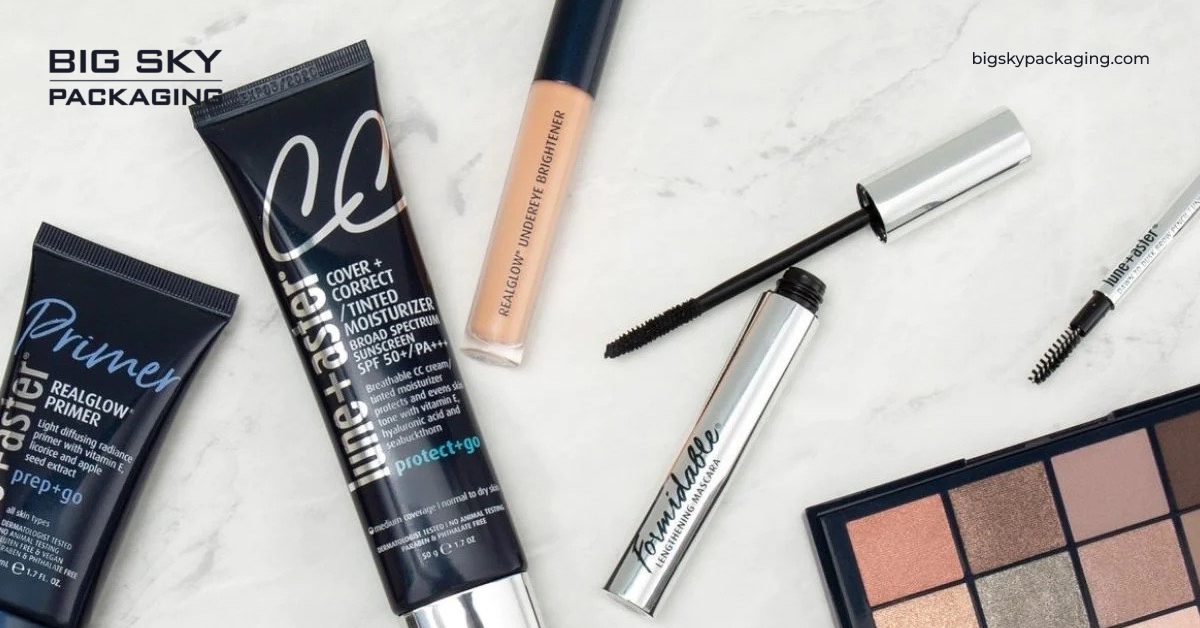
Tubes and squeeze packaging offer practical advantages, allowing for precise product dispensing. The design trends in this category often revolve around user convenience, with features like easy-to-use applications and eye-catching designs to enhance shelf appeal. Products perfect for tubes and squeezable packaging are;

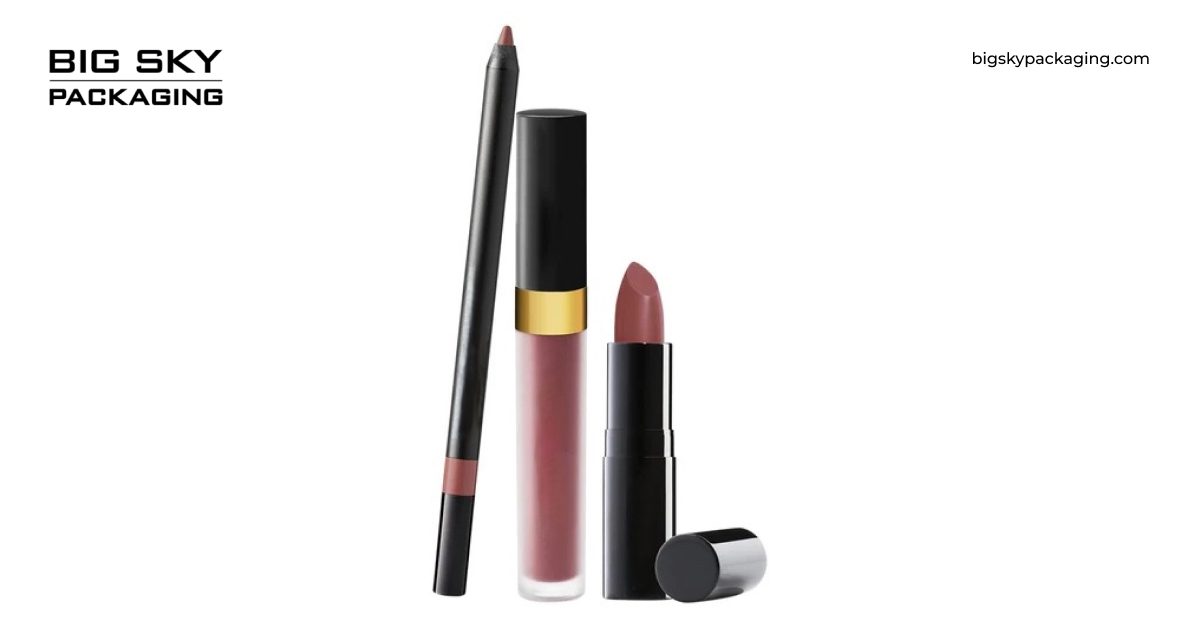
3. Sticks

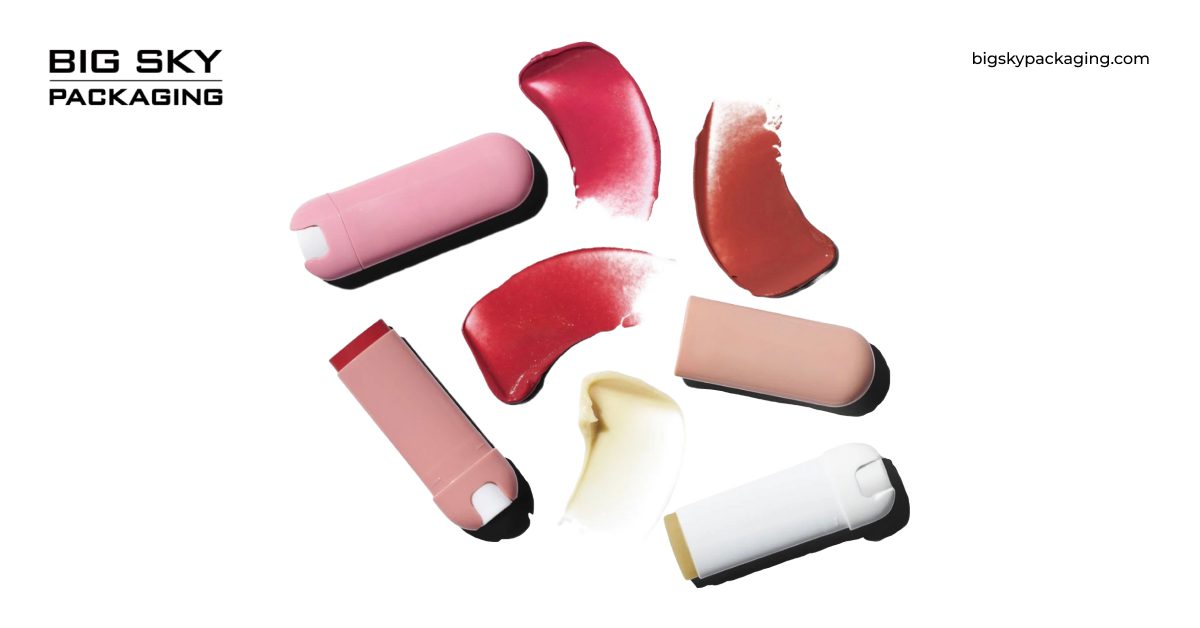
Cosmetic sticks represent a versatile and convenient packaging option designed to meet the demands of on-the-go beauty routines. They are practical and stylish solutions for consumers seeking efficiency and precision in their beauty regimen. Products perfect for sticks are;

4. Compacts / Palettes

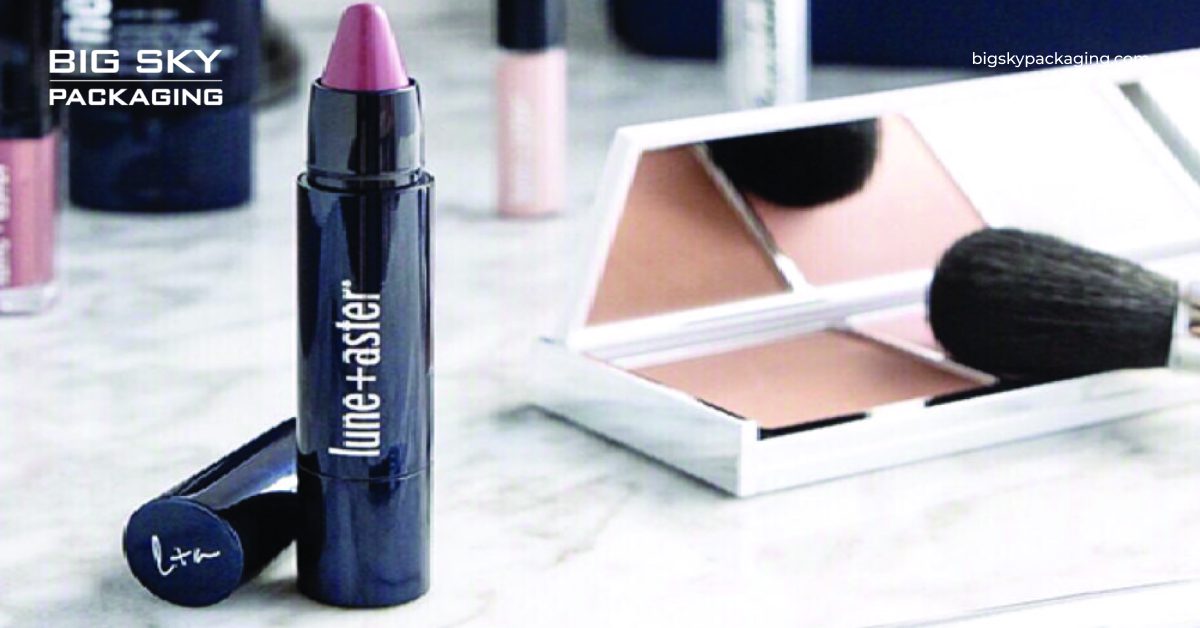
Embracing a curated collection in a single package, compacts, and palettes offer an efficient and stylish solution for cosmetics. The packaging, available in diverse materials and shapes, is meticulously chosen to complement the specific nature of the cosmetic products, ensuring both practicality and aesthetic appeal. Products perfect for compacts and palettes are;

B. Secondary Packaging

1. Boxes and Cartons

Secondary packaging, such as boxes and cartons, serves both functional and aesthetic purposes. Customization options abound, providing beauty brands with opportunities to reinforce their branding through unique shapes, colors, and finishes. The outer packaging is the canvas on which the brand story unfolds.

Transform your beauty products

2. Set Boxes

Beyond functionality, set boxes contribute to the visual appeal of cosmetic products, and the all-in-one convenience to the consumer. The use of sustainable alternatives in secondary packaging aligns with the growing consumer demand for eco-friendly options, reflecting positively on the brand’s image.

Role of Right Cosmetic Packaging: How It Benefits Businesses

Role of Right Cosmetic Packaging How It Benefits Businesses

The role of the right cosmetic packaging transcends the surface-level aesthetics that significantly influence the trajectory of a business. It serves as a dynamic tool that, when wielded with precision, yields multifaceted benefits for the brand.

First and foremost, cosmetic packaging operates as an ambassador of brand identity. It is a visual manifestation of the brand’s ethos, values, and personality. When packaging resonates with the brand, it becomes a powerful channel for conveying a narrative that consumers can connect with. This alignment enhances brand recognition, imprinting the brand image in the minds of consumers. The consistent visual language across packaging reinforces the brand identity, fostering a sense of familiarity and trust.

Beyond the realm of aesthetics, packaging plays a pivotal role in cultivating consumer loyalty. In a market inundated with choices, consumers often seek products that offer a seamless and cohesive brand experience. The right packaging contributes to this experience by creating a visual and tactile continuum that extends from the product to the consumer’s daily life. This connection fosters a sense of loyalty as consumers not only identify with the product but also with the brand story encapsulated in the packaging.

Moreover, the functional aspect of packaging is paramount in maintaining the integrity of the product. Packaging acts as a protective shield, ensuring that the cosmetic item remains unaltered and in pristine condition throughout its lifecycle. This preservation of product quality is indispensable for upholding the brand’s reputation for excellence. 

Consumers associate a well-protected and preserved product with the brand’s commitment to quality, further solidifying their trust and loyalty.

In essence, the right cosmetic packaging is a strategic investment that pays dividends in terms of brand recognition, consumer loyalty, and the preservation of quality. It is an integral facet of a brand’s overall identity, shaping perceptions and contributing to the enduring success of a business in the competitive beauty market. As businesses navigate the nuanced landscape of consumer preferences, leveraging the potential of packaging as a strategic asset becomes a cornerstone for sustained growth and resonance.

Customization & Personalization in Cosmetic Packaging

Customization Personalization in Cosmetic Packaging

The importance of customization and personalization in cosmetic packaging cannot be overstated. As brands navigate the crowded market, these elements emerge as pivotal strategies for setting themselves apart. By tailoring packaging to resonate with the target audience, brands create a unique and memorable brand experience.

Customization allows brands to infuse their packaging with distinctive visual elements, colors, and designs that reflect the essence of their identity. This not only attracts attention on crowded retail shelves but also serves as a visual cue that fosters instant recognition among consumers. 

Personalized packaging goes a step further, forging a deeper connection by addressing the individual needs and tastes of the consumer. This tailored approach communicates that the brand values the uniqueness of each consumer, building a sense of loyalty and affinity that transcends the product itself. 

In a market where consumer choices abound, customization and personalization become potent tools for creating lasting brand impressions and cultivating a devoted customer base.

Sustainable Cosmetic  Packaging Solutions

Sustainable Cosmetic Packaging Solutions

A. Importance of Sustainability

The environmental impact of traditional packaging has led to a shift in consumer preferences. As awareness of ecological concerns grows, the beauty industry is adapting to meet the demand for eco-friendly options. Sustainable packaging not only minimizes harm to the environment but also positions brands as responsible and forward-thinking.

B. Sustainable Materials

1. Biodegradable Plastics

The rise of biodegradable plastics offers a promising solution to the plastic waste problem. These materials break down naturally, reducing their impact on the environment and contributing to a more circular economy.

2. Recyclable Materials

Recyclable packaging materials align with global efforts to reduce waste. Cosmetic Packaging made from materials that can be easily recycled supports a sustainable production cycle.

3. Compostable Packaging

Compostable packaging takes sustainability a step further, providing a cosmetic packaging solution that returns to nature without leaving a trace. These materials break down into natural components, enriching the soil and minimizing environmental impact.

How Packaging Engineers Can Help with Sustainable Cosmetic Solutions?

How Packaging Engineers Can Help with Sustainable Cosmetic Solutions

Within the pursuit of sustainable cosmetic packaging, packaging engineers emerge as architects of positive change. Their integral role extends far beyond conventional packaging concerns, as they harness their specialized expertise. Like

Packaging engineers contribute significantly to sustainable cosmetic solutions by researching, developing, and implementing innovative materials. This includes exploring eco-friendly alternatives such as biodegradable plastics, recycled materials, and compostable options to reduce the environmental impact of cosmetic packaging.

Packaging engineers play a pivotal role in designing packaging solutions that prioritize sustainability. They consider the entire lifecycle of the packaging, from raw material extraction to end-of-life disposal, ensuring that each stage aligns with environmentally conscious practices without compromising functionality or aesthetic appeal.

By optimizing packaging designs and materials, packaging engineers work to minimize the overall environmental footprint of cosmetic packaging. This involves assessing the impact of production processes, transportation, and disposal, aiming for solutions that are both sustainable and resource-efficient.

Importance Of Packaging Design While Developing Cosmetic Packaging 

Packaging design serves as a visual representation of a brand’s identity. Consistent and well-thought-out design elements contribute to brand recognition, fostering a sense of trust and familiarity among consumers.

Understanding the target audience is paramount in designing cosmetic packaging that resonates. Packaging that aligns with the preferences and aspirations of the target demographic establishes a connection that goes beyond the product itself.

Key Factors To Consider While Designing Cosmetic Packaging 

The packaging must serve its primary purpose of protecting the product and facilitating easy use. User-friendly designs enhance the overall consumer experience.

Consistency in branding across different products ensures a cohesive and recognizable brand image.

Integrating sustainable materials and practices into packaging design reflects a commitment to environmental responsibility.

Choosing the Right Cosmetic Packaging for Your Product 

Materials

Environment

Design

Usability

Why Hire Packaging Engineers For Cosmetic Packaging?

The expertise of packaging engineers is invaluable in navigating the complex landscape of cosmetic packaging. From selecting sustainable materials to optimizing design for functionality and aesthetic appeal, packaging engineers contribute to the success of beauty brands by ensuring their products are not only visually appealing but also environmentally conscious.

Packaging engineers bring specialized knowledge and expertise to the table, honed through years of education and experience. They possess a deep understanding of materials, manufacturing processes, and design principles specific to cosmetic packaging. This expertise allows them to make informed decisions when selecting materials, ensuring durability, functionality, and environmental sustainability.

Packaging engineers excel in optimizing cosmetic packaging for both functionality and aesthetic appeal. They consider the unique characteristics of cosmetic products, such as viscosity and usage patterns, to design packaging that enhances user experience. Simultaneously, their expertise in aesthetics ensures that the packaging aligns seamlessly with the brand’s identity, creating a visually compelling and cohesive product presentation.

Conclusion

want to give your beauty products

In conclusion, cosmetic packaging is a dynamic and integral aspect of the beauty industry. Its role in influencing consumer perceptions, supporting brand identity, and contributing to sustainability cannot be overstated. As consumer preferences evolve, beauty brands must adapt, making conscious choices in packaging design and materials. By embracing innovation and the expertise of packaging engineers, cosmetic brands can not only meet the demands of the market but also set new standards for excellence in the ever-evolving world of cosmetic packaging.

Looking for experts? We at BIG SKY PACKAGING can help you. Let’s talk!

Cosmetic Packaging: Exploring Types & Trends in the Cosmetic World

Are your cosmetic products ready to pour into the vessel? Don’t forget you need relevant packaging for different types of cosmetics. 

Cosmetic packaging not only safeguards your products but also captivates consumers. Hence, navigating the myriad options where functionality meets allure, is essential to finding the perfect packaging solution for your products.

Being a protective shell, a silent storyteller, Cosmetic packaging evokes emotions and lures customers in even while being on the shelf. Explore the varied domain of cosmetic packaging solutions, each intricately designed to cater to distinct needs and preferences. The options available are as extensive and diverse as the range of beauty products they envelop.

Let’s step on a journey to enhance your products through packaging that transcends mere practicality. It’s time to upgrade your brand with packaging solutions that go with your audience, creating a bond that goes beyond; after all, it’s not just about wrapping products; it’s about delivering the best experience. 

So dive in to understand the type of cosmetic packaging but before let’s have a little overview of what is Cosmetic Packaging for better understanding.

About Cosmetic Packaging

Cosmetic packaging, the term generally contains the primary and secondary layers of containment. Primary packaging constitutes the immediate vessel nestling the cosmetic product—whether it takes the form of a jar, bottle, or tube—a tangible interface for customers during product usage.

After this initial layer lies the domain of secondary packaging, also known as outer packaging. This extends beyond the cosmetic container, involving additional layers such as boxes, wrappers, or protective cases. While ensuring the protection of your product during transit, secondary packaging concurrently amplifies its visual allure. These external layers serve as a canvas for creative designs and offer strategic real estate for conveying marketing messages, thus playing a pivotal role in augmenting your brand image and identity.

Significance of Cosmetic Packaging

Cosmetic packaging is vital in presenting products designed to enhance appearance without altering the face or body structure. Achieving the right balance is essential, as it must simultaneously ensure product protection, provide convenience for customers, and contribute to effective marketing.

Given the prolonged use of cosmetic products, their packaging demands durability and user-friendly features both at the point of purchase and throughout extended periods of use. The vitality of a well-designed cosmetic packaging solution is shown by the industry’s emphasis on tapping into positive emotions and aspirations for top marketing.

The Different Types of Cosmetic Packaging

When it comes to cosmetic packaging, the available options are varied, providing extensive choices to explore. Each option is tailored to different beauty products and consumer preferences. 

From timeless jars to convenient bottles and precise tubes, the choices are plentiful. Classic jars exude elegance, while practical bottles offer convenience, and sleek tubes are great for precise application. Tins add a nostalgic touch with a modern twist, and pouches provide a contemporary and flexible packaging solution. Droppers bring sophistication, especially for liquid formulations.

Understanding the features of each type is essential for aligning packaging with product needs and brand aesthetics. This probe leads to uncovering the awesome features of jars, tubes, bottles, tins, droppers, and pouches, offering insights to help you pick the quality packaging to better the functionality and charm of your cosmetic products.

– Jars

Jars

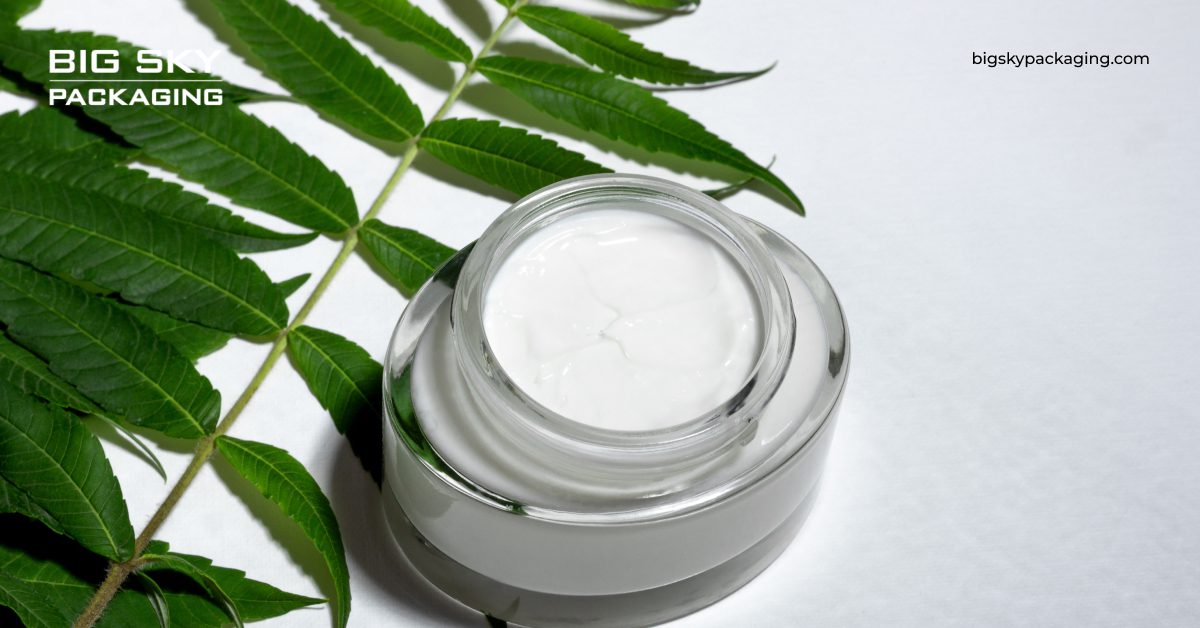
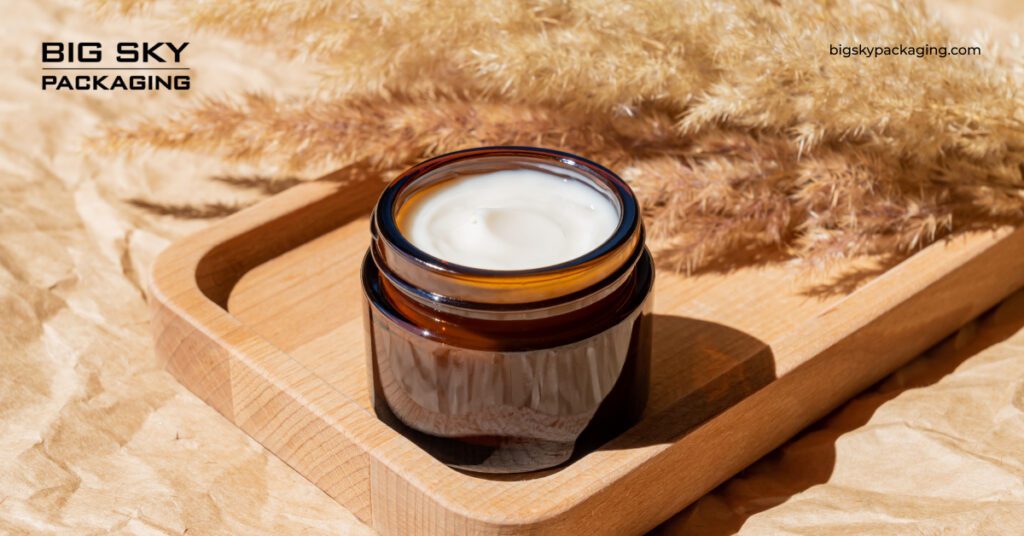
Jars are one of the best picks if you want to hold products like creams, lotions, and cleansing items that don’t get spilled easily. Available in various sizes, shapes, and materials jars can be customized to appeal to consumers. They also come with screw top lids, for extended protection.

– Bottles

Bottles

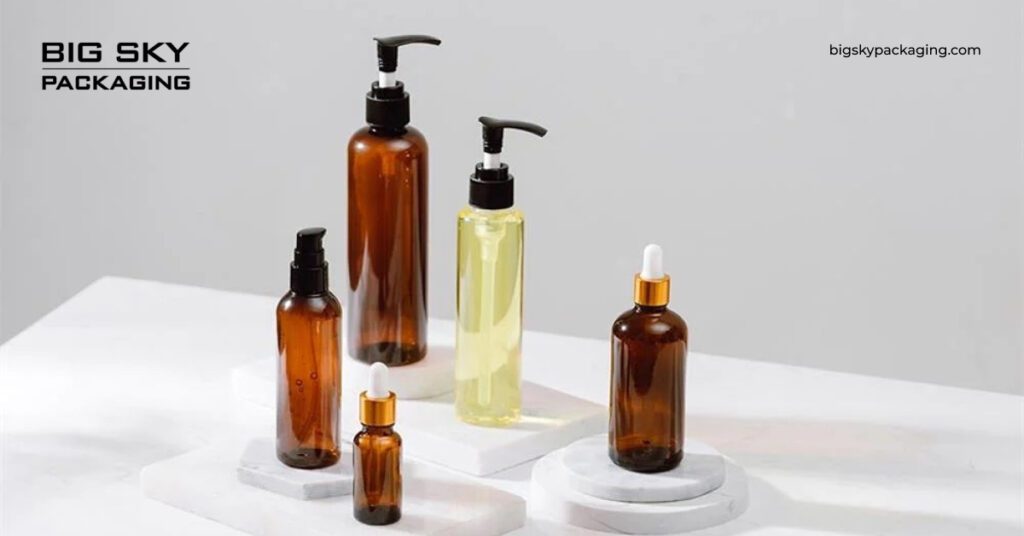
Bottles are ideal for liquid products requiring specific dispensing methods like pumps or sprayers. They are well-suited for larger volumes, ensuring efficient use. With diverse designs and sizes, bottles offer versatility for various formulations. Whether it’s a skincare solution or a hair care product, bottles provide a practical and steady way to dispense liquid cosmetics.

– Tubes

Tubes

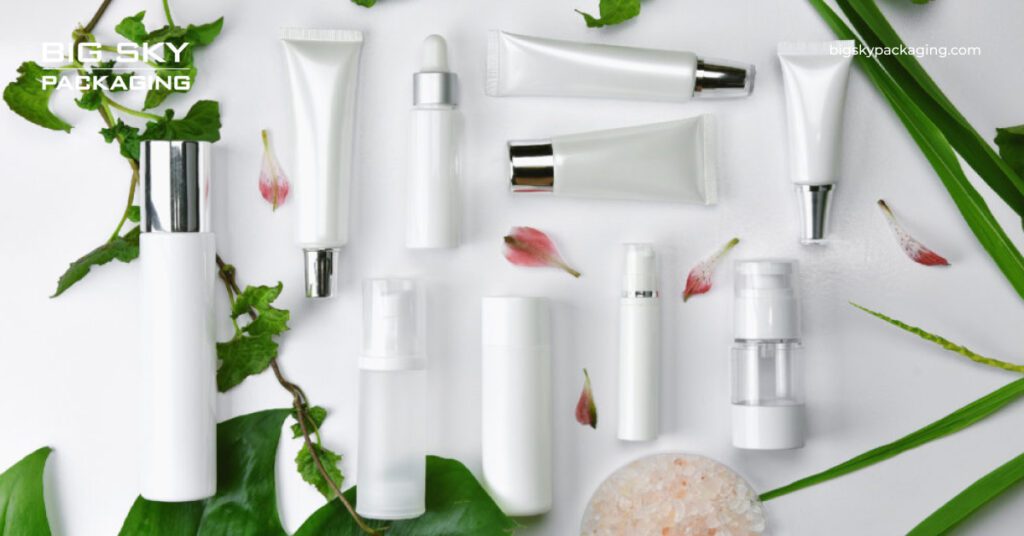
Tubes are a smart choice for cosmetic products when consumers prefer precise control over dispensing. Particularly effective for skin and face care items, tubes allow users to manage the amount of product they apply. Whether it’s a soothing cream or a targeted treatment, the convenience and precision of tube packaging enhance the overall user experience, making it a popular option for skincare routines.

Tins

Tins

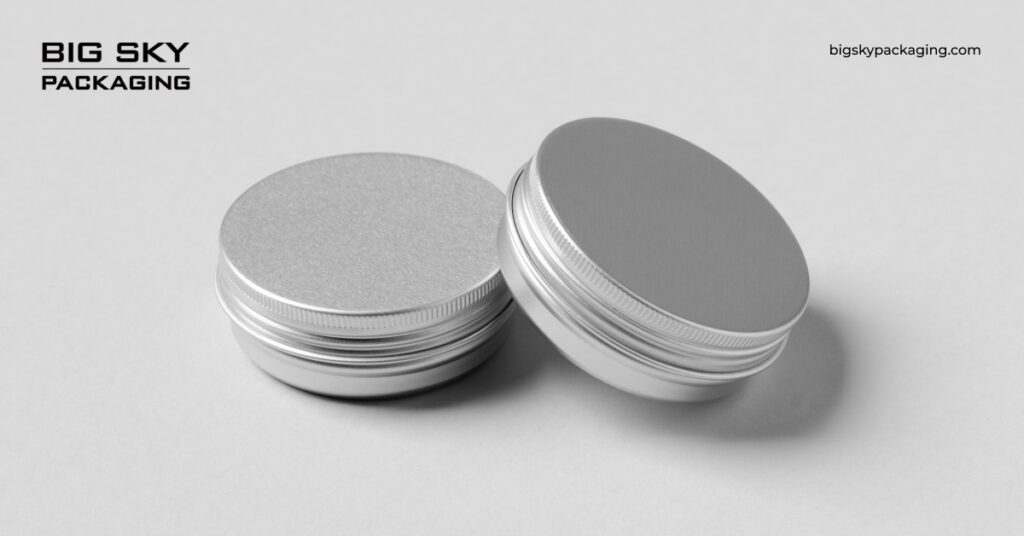
Tins, made from aluminum, offer an excellent packaging solution for small products such as glosses or lip balms. The recyclable nature of aluminum, without quality loss, makes it an ideal material for many types of cosmetics. Tin packaging solutions are lightweight,  made with screw top lids, travel-friendly, and above all very convenient for everyday use, stating its popularity in the cosmetic world.

– Pouches

Pouches

Pouches, which look like oversized sachets, are gaining popularity in the cosmetics world. Well-suited for items like bath salts, makeup products, and face masks, they offer flexibility and lightness. Their flexible nature minimizes shipping expenses, and they are made of various materials. For businesses prioritizing sustainability, pouches can be crafted from a multi-layer eco-friendly material, ensuring proper product protection while minimizing plastic usage.

– Droppers

Droppers

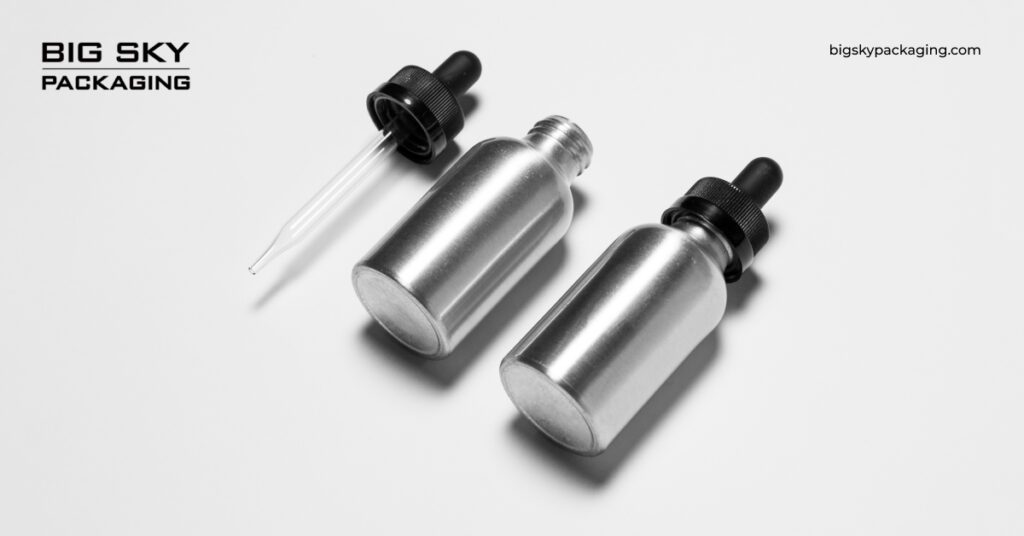
Droppers provide accurate and controlled dispensing for thin liquids such as essential oils, serums, and toners. Glass droppers add a touch of style and showcase the liquid contents effectively. Offering dosage regulation and preventing contamination, droppers are convenient for travel in compact sizes.

Trends In Cosmetic Packaging

3 trends in cosmetic packaging include:

Sustainability Emphasis

Cosmetic brands are majorly adopting packaging materials and practices that are eco-friendly. This includes using recyclable materials, decreasing excess packaging, and using sustainable design elements to decrease environmental impact.

Customization and Personalization

Brands understand the vitality of connecting with consumers on a personal level. Customized and personalized packaging, whether through color schemes, unique designs, or even allowing consumers to tailor product choices, makes the overall brand experience better and fosters consumer loyalty.

Minimalist and Functional Design

Many cosmetic brands are opting for minimalist packaging designs that convey simplicity as well as elegance. This trend goes with a focus on functionality, ensuring that packaging not only looks exclusive and attractive but also works with a practical purpose. Streamlined designs often resonate well with modern, conscious customers who appreciate simplicity and functionality.

How to decide which particular package is relevant for your cosmetic products, or are you looking for an expert who can help you decide what container works best for your product(s)? We at BIG SKY PACKAGING are here to help with all our experience in packaging. Get in touch with us today!