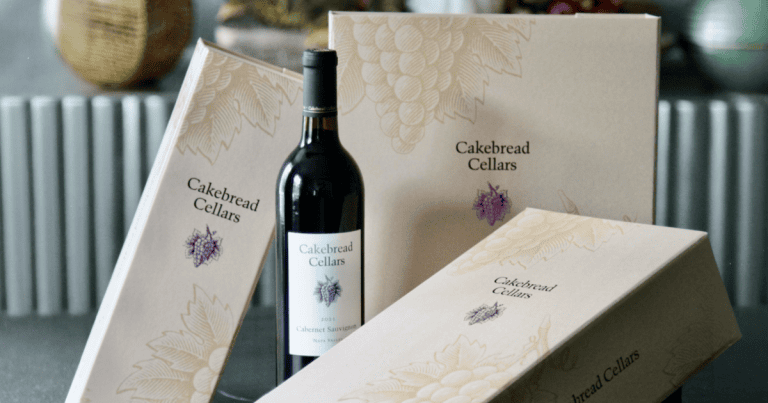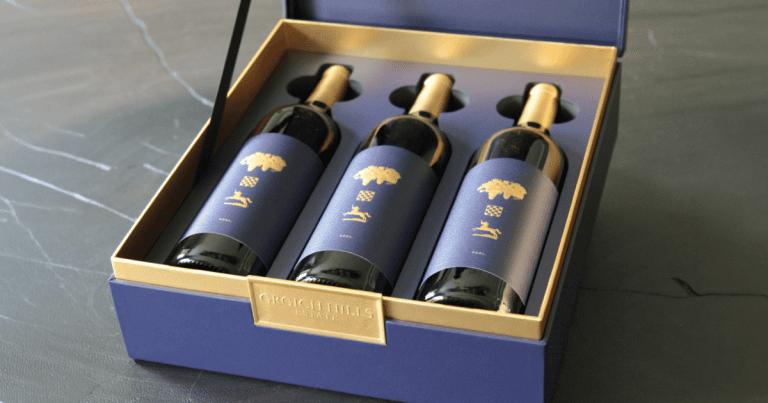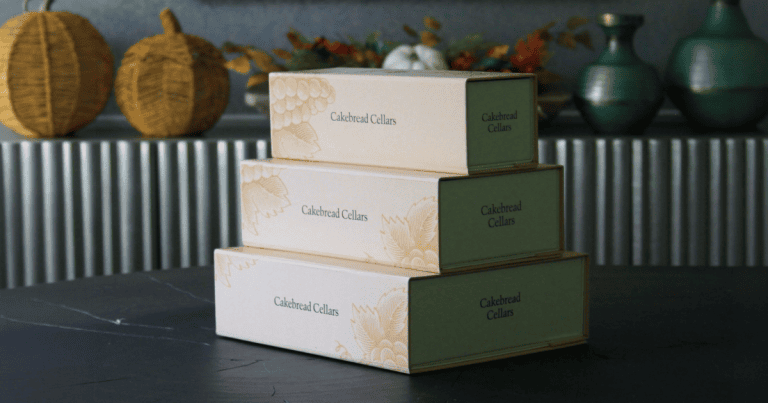

For wineries, the transition into Q3 often signals the beginning of one of the most operationally demanding periods of the year.
Holiday gifting programs, wine club allocations, tasting room promotions, and seasonal retail initiatives all begin converging within a relatively short production window. At the same time, packaging supply chains experience increased pressure from elevated demand, freight congestion, and tighter manufacturing schedules.
Yet despite these recurring challenges, many wineries still begin packaging development too late in the cycle — often resulting in unnecessary rush charges, expensive air freight, production compromises, and delayed deliveries during the most important selling season of the year.
Early planning is no longer simply a best practice. Increasingly, it is a competitive advantage.
Why Q4 Packaging Planning Needs to Start Earlier Than Most Wineries Expect
Holiday packaging programs typically involve more complexity than standard operational packaging.
Seasonal wine club shipments, corporate gifting initiatives, tasting room exclusives, and limited-edition releases often require:
- Custom structural designs
- Specialty materials
- Decorated rigid boxes
- Foil stamping or embossing
- Insert development
- Multi-component assembly
- Logistics coordination across multiple suppliers
Each additional customization layer increases production complexity and lead time requirements.
For wineries relying on overseas production or highly customized packaging formats, timelines can extend significantly once sampling, revisions, approvals, manufacturing, and freight transit are factored into the schedule.
Many wineries underestimate how quickly these timelines compress once harvest season, holiday fulfillment, and year-end promotions begin overlapping operationally.
Typical Lead Times for Custom Wine Packaging
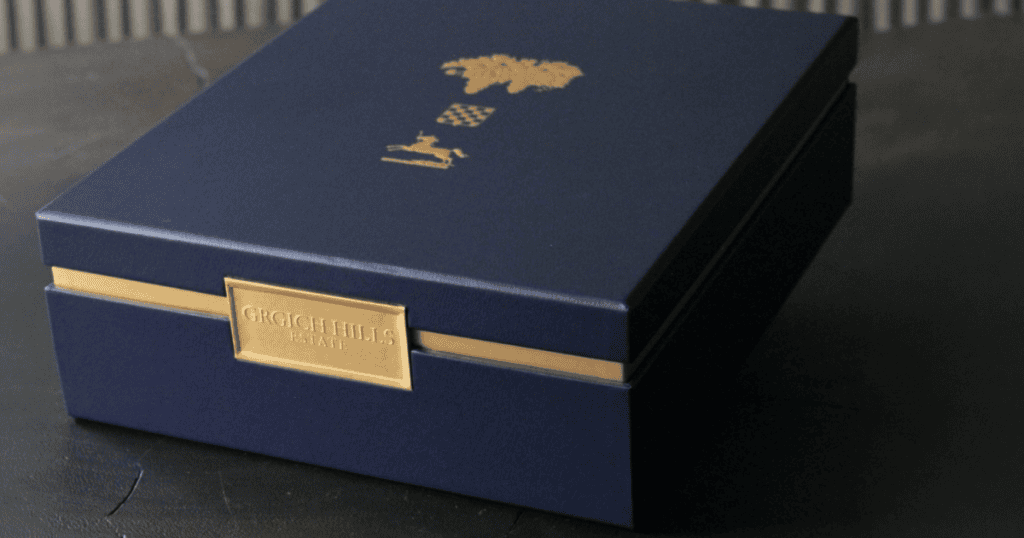
While timelines vary depending on structure, decoration, material availability, and manufacturing region, wineries should generally expect the following lead time ranges:
- Stock domestic packaging: approximately 6 weeks
- Semi-custom packaging programs: approximately 6–8 weeks
- Fully custom domestic or regional packaging: approximately 8–10 weeks
- Overseas custom packaging programs: approximately 12–20+ weeks
These timelines often do not include:
- Structural engineering revisions
- Sampling approvals
- Graphic refinements
- Carrier delays
- Customs clearance
- Holiday shipping congestion
This is where many wineries encounter problems.
A packaging program that appears manageable in early summer can quickly become compressed by late Q3, forcing teams into expedited manufacturing schedules or costly freight decisions.
Why Late Approvals Lead to Expensive Freight and Production Costs
One of the most common operational mistakes wineries make is delaying final approvals.
Internal stakeholder reviews, artwork revisions, changing forecasts, and shifting promotional timelines frequently push decision-making later into the production cycle. Unfortunately, every delay narrows manufacturing flexibility.
Once production schedules become compressed, wineries often face:
- Rush tooling charges
- Expedited production fees
- Split shipments
- Air freight premiums
- Reduced supplier flexibility
- Limited material availability
Air freight alone can dramatically increase total landed cost.
Depending on shipment size and destination, air freight can add anywhere from $0.50 to $2.00 or more per unit compared to ocean freight alternatives. Across larger holiday programs, these costs can escalate quickly.
Beyond cost, expedited timelines also increase operational risk. Faster production windows leave less room for quality inspections, testing, and contingency planning.
Forecasting for Wine Clubs, Hospitality, and Corporate Gifting
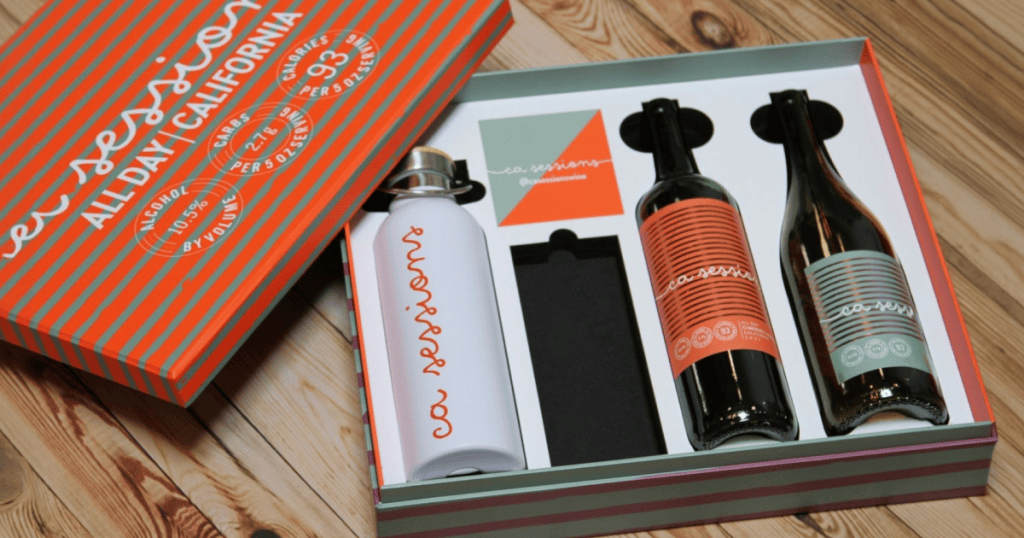
Accurate forecasting plays a critical role in successful Q4 packaging execution.
Wineries today are managing multiple fulfillment channels simultaneously:
- Wine club shipments
- Tasting room retail
- E-commerce orders
- Distributor support programs
- Corporate gifting initiatives
- Seasonal promotional kits
Each channel may require different packaging formats, inventory levels, and fulfillment timing.
The earlier wineries begin forecasting projected packaging requirements, the more flexibility they retain across sourcing, logistics, and production scheduling.
Early forecasting also creates opportunities for:
- Better production slot availability
- Larger volume efficiencies
- Consolidated freight planning
- Improved inventory allocation
- Reduced emergency reorder risk
For wineries with growing DTC programs, this becomes particularly important during the holiday season when customer expectations and order volumes both increase significantly.
The Benefits of Consolidating Packaging Suppliers
Another challenge many wineries face is fragmented packaging management.
Different suppliers often manage:
- Wine club boxes
- Retail packaging
- Gift sets
- Tissue and inserts
- Shipping materials
- Promotional collateral
While this approach may appear manageable initially, it frequently creates operational inefficiencies during high-volume periods.
Working with multiple suppliers can lead to:
- Inconsistent branding
- Communication delays
- Misaligned production schedules
- Increased freight coordination complexity
- Quality inconsistencies across programs
Consolidating packaging development through a strategic packaging partner can simplify project management significantly.
A centralized packaging strategy improves:
- Brand consistency
- Timeline visibility
- Logistics coordination
- Material continuity
- Quality oversight
- Supplier accountability
For wineries operating lean internal teams, this operational simplification often becomes just as valuable as the packaging itself.
Common Mistakes Wineries Make with Seasonal Packaging Programs
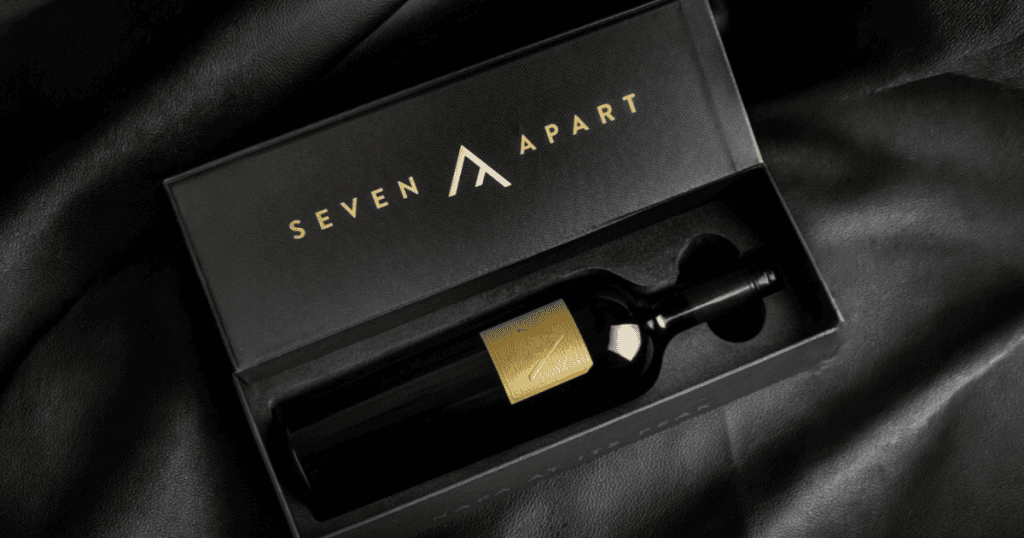
Several operational patterns consistently create avoidable issues during Q4 packaging execution:
Waiting too long to finalize forecasts
Forecast uncertainty is common, but delaying entirely often creates greater operational risk later.
Over-customizing late-stage projects
Complex packaging structures require additional development and approval time.
Underestimating freight timelines
Holiday shipping congestion impacts both domestic and international freight reliability.
Prioritizing lowest upfront cost over total landed cost
Rush charges, split shipments, and air freight frequently eliminate perceived savings.
Failing to align packaging with fulfillment operations
Packaging that looks premium but slows fulfillment efficiency can create downstream bottlenecks.
Not building contingency time into schedules
Even well-managed projects encounter revisions, transit variability, or operational delays.
How Early Planning Improves Delivery Performance and Reduces Total Cost
The wineries that consistently execute strong holiday packaging programs are typically those that begin planning earlier than competitors.
Early planning creates several measurable advantages:
- Greater supplier availability
- Improved production scheduling
- Lower freight costs
- Better material selection flexibility
- Reduced risk of stock shortages
- More consistent on-time delivery performance
- Stronger quality control oversight
In many cases, early planning can reduce total packaging program costs by approximately 8–15% by avoiding expedited production fees and premium freight decisions.
Equally important, it allows wineries to protect customer experience during the most visible shipping period of the year.
How BIG SKY PACKAGING Helps Wineries Navigate Q4 Packaging Complexity
At BIG SKY PACKAGING, we help wineries proactively manage the operational and supply chain challenges that often emerge during Q4 packaging programs.
Our role extends beyond supplying packaging components. We work as an extension of a winery’s internal team — helping oversee structural development, supplier coordination, production management, quality control, and logistics execution from concept through final delivery.
Because we maintain a diversified global manufacturing network across North America, Europe, South America, and Asia, we are able to provide flexible sourcing strategies based on:
- Lead time requirements
- Budget parameters
- Decoration complexity
- Volume forecasts
- Freight considerations
- Risk mitigation priorities
This flexibility helps wineries avoid many of the common bottlenecks that emerge during peak holiday production cycles.
BIG SKY PACKAGING also helps wineries consolidate packaging programs across multiple initiatives — including wine club shipments, tasting room packaging, retail displays, gift sets, and e-commerce fulfillment — creating stronger operational consistency and more streamlined logistics management.
Our team works closely with wineries to evaluate:
- Structural packaging performance
- Shipping durability
- Sustainability goals
- Cost optimization opportunities
- Fulfillment efficiencies
- Brand presentation consistency
Most importantly, we help wineries plan earlier and execute more strategically — reducing the likelihood of costly last-minute decisions that impact both margins and customer experience.
Early Planning Is Ultimately About Protecting the Customer Experience
For wineries, holiday packaging is not simply an operational task. It directly influences customer perception, gifting behavior, wine club retention, and brand reputation during one of the most important sales periods of the year.
The wineries that plan earlier typically gain more control over cost, timelines, logistics, and overall execution quality.
And in today’s increasingly competitive direct-to-consumer wine market, operational consistency