How Great Packaging Helps Wineries Tell Their Story, Build Loyalty, and Stand Out in a Competitive Market
By BIG SKY PACKAGING
For wineries, branding extends far beyond a logo or wine label.
Every touchpoint influences how consumers perceive a winery, from the tasting room experience and website design to social media content and customer service. Yet one of the most powerful branding tools is often overlooked: packaging.
In today’s competitive wine market, packaging is more than a protective container. It is a storytelling platform, a marketing asset, and a direct reflection of a winery’s identity.
Whether displayed on a retail shelf, shipped to a wine club member, or presented as a gift, packaging helps shape first impressions and influences how consumers remember a brand long after the wine is gone.
As wineries continue investing in direct-to-consumer sales, wine clubs, and premium customer experiences, packaging has become an increasingly important part of brand strategy.
Packaging Is Often the First Physical Brand Experience
Before a customer tastes the wine, they experience the packaging.
This is especially true for wine club shipments, ecommerce orders, and corporate gifting programs. In many cases, the shipping carton or presentation box becomes the first physical interaction a consumer has with a winery.
Consumers immediately begin forming opinions.
- Does the packaging feel premium?
- Does it reflect the price point of the wine?
- Does it feel authentic to the winery’s story?
- Does it create excitement?
These impressions happen within seconds.
Strong packaging creates confidence and anticipation. Poor packaging can diminish perceived value before the bottle is ever opened.
For wineries investing heavily in marketing, hospitality, and customer acquisition, packaging should reinforce those efforts—not undermine them.
Every Winery Has a Story to Tell
One of the reasons wine remains such a compelling category is its connection to storytelling.
Every winery has a unique narrative:
- Family history
- Vineyard location
- Winemaking philosophy
- Sustainability initiatives
- Generational traditions
- Regional influences
Packaging provides an opportunity to communicate those stories in a tangible way.
A winery rooted in heritage may incorporate textured paper stocks, embossing, and traditional design elements that evoke craftsmanship and history.
A modern, innovation-driven winery may choose minimalist packaging, clean typography, and contemporary materials that reflect a more progressive identity.
The best packaging does not simply look attractive. It aligns with the story the winery wants consumers to remember.
Consistency Builds Brand Recognition
Successful brands are recognizable because they are consistent.
Think about the strongest winery brands in the market. While individual releases may vary, there is usually a clear visual thread connecting the portfolio.
Packaging helps create that consistency.
Elements such as:
- Color palettes
- Typography
- Materials
- Structural design
- Decoration techniques
- Brand messaging
can all contribute to a cohesive brand identity.
When customers encounter a wine club shipment, gift box, tasting room purchase, or retail display, the experience should feel unmistakably connected to the winery.
- Consistency builds familiarity.
- Familiarity builds trust.
- Trust drives loyalty.
Packaging Influences Perceived Value
Packaging plays a significant role in how consumers assess value.
Two wines with identical quality can be perceived very differently based on presentation alone.
Premium packaging communicates:
- Craftsmanship
- Attention to detail
- Exclusivity
- Quality
- Confidence
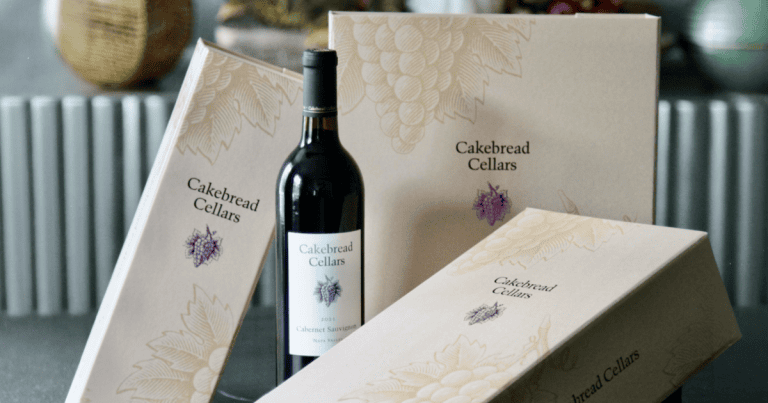
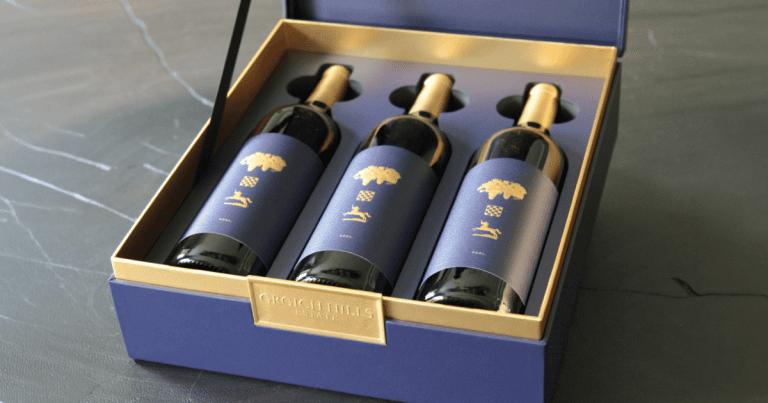
Features such as rigid set boxes, textured materials, foil stamping, embossing, and custom inserts can elevate the overall experience and strengthen premium positioning.
This does not mean every winery should pursue luxury packaging. The goal is alignment.
A winery’s packaging should feel appropriate for its brand positioning and target customer.
When presentation aligns with expectations, consumers are more likely to view the product as worth its price.
The Growing Importance of Wine Club Packaging
For many wineries, wine clubs represent their most valuable customer segment.
These members often generate recurring revenue, higher lifetime value, and stronger brand advocacy than other customer groups.
Yet many wineries still treat wine club packaging primarily as a shipping necessity.
This represents a missed opportunity.
Every wine club shipment is an extension of the winery experience.
Thoughtful packaging can help:
- Increase member engagement
- Reinforce brand identity
- Improve retention
- Encourage social sharing
- Strengthen emotional connection
Elements such as custom printed shipping cartons, seasonal inserts, tasting notes, and personalized messaging help transform a shipment into an experience.
The wineries seeing the strongest wine club retention rates are often the ones creating memorable moments between deliveries.
Packaging Plays a Critical Role in Gifting
Wine and gifting have always gone hand in hand.
Whether purchased for holidays, corporate events, client appreciation, weddings, or personal celebrations, wine is often chosen because it feels meaningful.
Packaging helps determine whether the gift feels special.
- A premium presentation box can transform a bottle of wine into an experience.
- The right packaging creates anticipation before the recipient even sees the wine.
- For wineries seeking to expand gifting programs, packaging can become a powerful differentiator.
- Consumers may forget where a gift was purchased.
- They often remember how it was presented.
Sustainability Is Now Part of Brand Identity
Today’s consumers increasingly want to support brands that align with their values.
For many wineries, sustainability has become an important part of brand positioning.
Packaging can help communicate those commitments.
Examples include:
- FSC-certified paperboard
- Recyclable materials
- Lightweight packaging structures
- Molded pulp components
- Reduced material usage
Sustainability initiatives are most effective when they feel authentic to the overall brand story.
Consumers appreciate thoughtful environmental decisions, particularly when they are communicated clearly and integrated naturally into the customer experience.
Ecommerce Has Changed Packaging Expectations
As direct-to-consumer sales continue to grow, wineries must think differently about packaging.
The shipping carton is no longer simply a transportation tool.
It has become a brand touchpoint.
Consumers increasingly expect ecommerce experiences that feel intentional and well-designed.
A well-executed unboxing experience can:
- Increase customer satisfaction
- Improve retention
- Encourage repeat purchases
- Generate social media exposure
- Strengthen brand loyalty
Packaging has become one of the few physical interactions wineries control in an increasingly digital world.
The wineries that recognize this are creating stronger customer relationships and more memorable experiences.
The Most Effective Packaging Reflects the Brand
There is no universal packaging formula that works for every winery.
A luxury Napa Valley Cabernet brand may require a very different packaging strategy than an emerging direct-to-consumer winery focused on younger consumers.
The most successful packaging programs begin with a simple question:
“What should consumers feel when they receive this package?”
The answer should guide every packaging decision.
- Materials.
- Structure.
- Graphics.
- Messaging.
- Presentation.
When those elements work together, packaging becomes a powerful extension of the brand.
How BIG SKY PACKAGING Helps Wineries Build Stronger Brands
At BIG SKY PACKAGING, we believe packaging should do more than protect a bottle.
It should communicate a winery’s story, reinforce brand identity, and create memorable customer experiences.
We work with wineries to develop:
- Wine club packaging
- Luxury presentation boxes
- Corporate gifting solutions
- Folding cartons
- Corrugated packaging
- Custom inserts
- Sustainable packaging programs
- Ecommerce packaging solutions
By combining structural engineering, creative development, production management, and quality oversight, we help wineries create packaging that supports both operational goals and long-term brand growth.
Final Thoughts
In today’s wine industry, packaging is one of the most powerful branding tools available.
- It influences first impressions.
- It shapes customer experiences.
- It reinforces perceived value.
- And it helps wineries tell stories that consumers remember.
- The strongest winery brands understand that packaging is not simply about delivering wine.
- It is about delivering an experience.
Because long after the bottle has been opened and enjoyed, the impression left by exceptional packaging often remains.