How Modern Wineries Can Build Stronger Membership Programs Through Experience, Packaging, and Customer Engagement
Introduction
For many wineries, wine clubs have evolved from a supplemental sales channel into one of the most important drivers of long-term profitability.
Unlike tasting room visitors or one-time online purchasers, wine club members provide recurring revenue, stronger customer loyalty, higher average order values, and more predictable cash flow. They often become a winery’s most valuable customers and strongest brand advocates.
Yet despite the importance of wine clubs, many wineries continue to face challenges with member acquisition, engagement, and retention.
Today’s consumers have more choices than ever. They subscribe to streaming services, meal kits, coffee clubs, beauty subscriptions, and countless other membership programs competing for their attention and discretionary spending.
As a result, wineries can no longer rely on discounts alone to build successful wine clubs.
The wineries experiencing the strongest growth in 2026 are creating experiences—not simply shipments.
This guide explores practical strategies wineries can use to attract new members, strengthen engagement, improve retention, and increase the lifetime value of their wine club programs.
Chapter 1
Why Wine Clubs Matter More Than Ever
Wine clubs remain one of the most effective ways for wineries to build direct relationships with consumers.
Benefits include:
- Predictable recurring revenue
- Higher customer lifetime value
- Increased direct-to-consumer sales
- Stronger brand loyalty
- Improved inventory planning
- More opportunities for upselling and gifting
While wholesale channels continue to play an important role, wine clubs allow wineries to maintain direct ownership of the customer relationship.
This direct connection provides valuable insights into purchasing behavior while creating opportunities for personalized marketing and long-term engagement.
For many premium wineries, wine club members account for a significant percentage of annual revenue despite representing a relatively small portion of the overall customer base.
Chapter 2
Understanding Why Members Join
Many wineries focus heavily on what members receive.
The best programs focus equally on why members join.
Consumers typically enroll in wine clubs for one or more of the following reasons:
Access
Members want access to limited-production wines, library vintages, and exclusive releases.
Convenience
Automatic shipments remove the burden of shopping and decision-making.
Community
Many members want to feel connected to a winery and its story.
Recognition
People appreciate being treated differently than the general public.
Experiences
Events, tastings, hospitality benefits, and educational opportunities often drive membership decisions.
Understanding these motivations helps wineries create programs that deliver meaningful value beyond the wine itself.
Chapter 3
First Impressions Matter
The first shipment often determines whether a member remains engaged.
Many wineries spend considerable effort attracting new members but overlook the onboarding experience.
The first delivery should reinforce the decision to join.
Consider including:
- Personalized welcome letters
- Winery history and brand story
- Tasting notes
- Food pairing recommendations
- Member-exclusive offers
- Invitations to upcoming events
A strong onboarding experience helps establish emotional connection and creates excitement for future shipments.
Chapter 4
The Packaging Opportunity Most Wineries Overlook
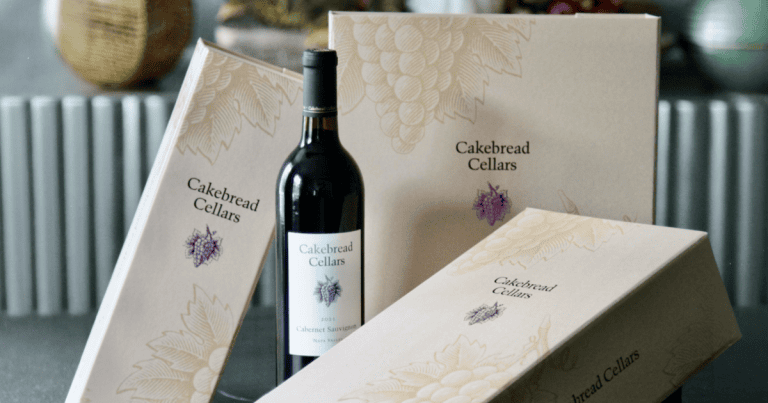
Every wine club shipment serves as a physical representation of the winery.
Before a bottle is opened, members are already evaluating the experience.
Packaging influences:
- Perceived value
- Brand perception
- Excitement
- Shareability
- Retention
Many wineries focus heavily on the wine selection while treating packaging as a purely functional requirement.
The most successful wine clubs understand that packaging is part of the product experience.
What Great Wine Club Packaging Accomplishes
Creates Anticipation
Members should immediately recognize a shipment from your winery.
Reinforces Brand Identity
Packaging should reflect the personality and positioning of the winery.
Supports Storytelling
Every shipment is an opportunity to deepen the relationship.
Encourages Sharing
Exceptional packaging often generates social media content and referrals.
Elevates Perceived Value
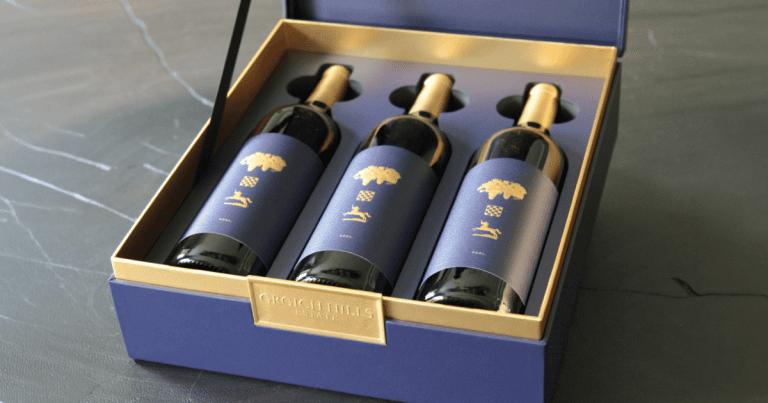
Premium presentation can significantly influence how customers perceive the wines inside.
In today’s direct-to-consumer environment, the shipping box has become an extension of the tasting room.
Chapter 5
Building Emotional Connections Through Storytelling
Wine has always been about stories.
The vineyard.
The winemaker.
The vintage.
The region.
Wine clubs provide a unique opportunity to bring those stories directly into customers’ homes.
Ideas include:
Seasonal Narratives
Highlight what is happening in the vineyard throughout the year.
Winemaker Insights
Share perspectives on vintages and production decisions.
Behind-the-Scenes Content
Give members access to information unavailable elsewhere.
Food Pairing Experiences
Create memorable occasions around each shipment.
Member Recognition
Celebrate anniversaries and loyalty milestones.
The more emotionally connected members feel to a winery, the less likely they are to cancel.
Chapter 6
Increasing Retention Through Exclusive Experiences
One of the biggest mistakes wineries make is focusing exclusively on product benefits.
Successful wine clubs create experiential value.
Examples include:
Member-Only Events
Virtual tastings, release parties, and winery experiences.
Early Access Releases
Reward loyalty with priority access.
Winemaker Sessions
Direct interaction with the people behind the wines.
Hospitality Benefits
Preferred reservations, complimentary tastings, and special access.
Harvest Experiences
Create opportunities for deeper engagement with the brand.
The goal is to make membership feel meaningful even between shipments.
Chapter 7
Reducing Wine Club Churn
Member cancellations are inevitable.
However, many common causes can be addressed proactively.
Common Churn Drivers
Lack of Engagement
Members forget why they joined.
Price Sensitivity
Economic conditions impact discretionary spending.
Shipment Fatigue
Programs become predictable.
Limited Communication
Members feel disconnected from the winery.
Poor Delivery Experiences
Packaging failures and damaged shipments create frustration.
Retention Strategies
- Improve communication frequency
- Introduce surprise-and-delight moments
- Offer flexible shipment options
- Create tiered membership programs
- Increase personalization
Retention often depends on maintaining relevance between shipments.
Chapter 8
Using Packaging to Drive Referrals and Social Sharing
Consumers increasingly share experiences online.
Wine clubs that create memorable unboxing moments benefit from additional exposure and word-of-mouth marketing.
Ideas include:
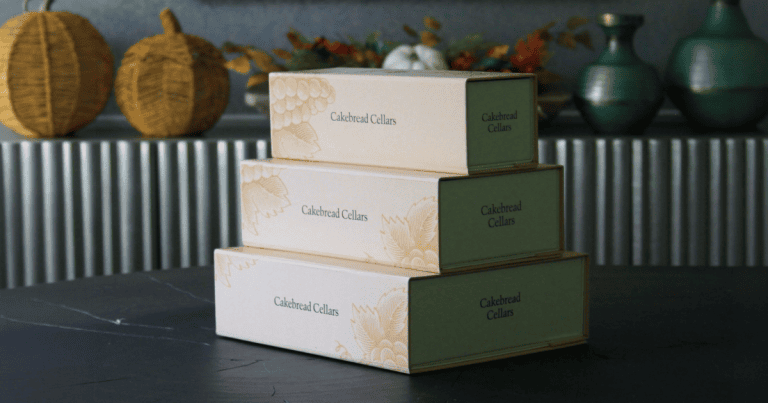
Branded Packaging
Create immediate visual recognition.
Seasonal Themes
Keep shipments fresh and interesting.
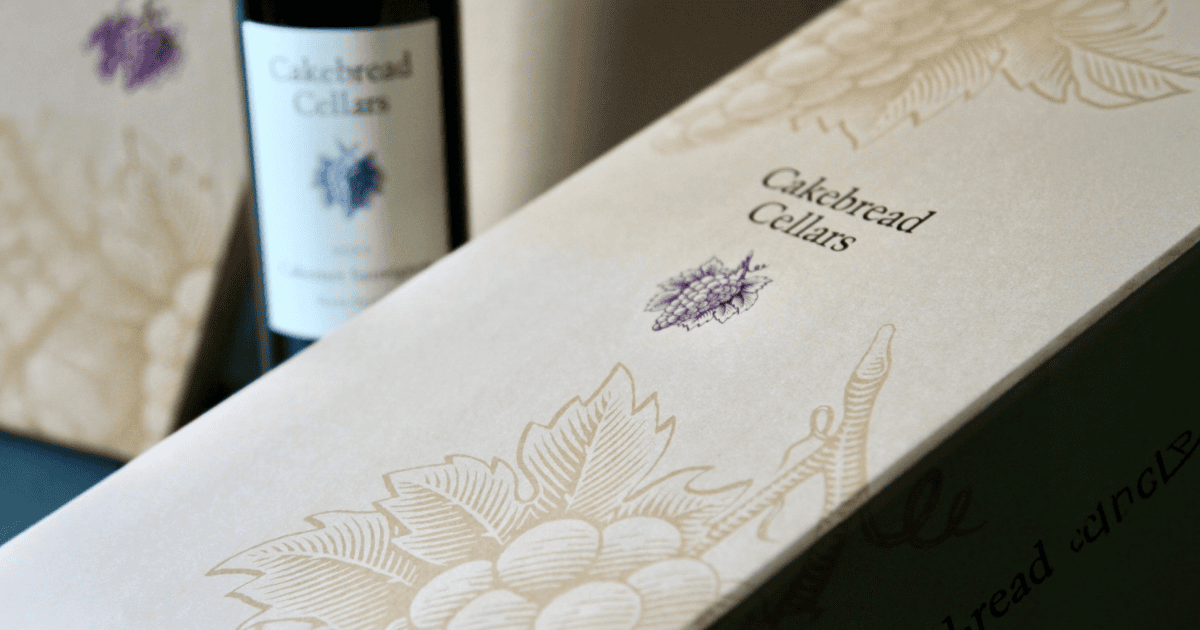
Premium Printed Materials
Enhance storytelling opportunities.
Surprise Inserts
Unexpected additions can generate excitement.
Gift-Worthy Presentation
Members often share experiences that feel elevated and thoughtful.
A single wine club shipment may be seen by family members, friends, coworkers, and social media audiences.
Chapter 9
Corporate Gifting and Wine Club Expansion
Many wineries overlook corporate gifting as a wine club growth strategy.
Existing members often represent valuable referral opportunities.
Encourage members to:
- Send gifts to clients
- Share wines with colleagues
- Introduce friends and family
- Participate in referral programs
Gift recipients frequently become future members themselves.
This creates a natural pipeline for club growth.
Chapter 10
Planning for Long-Term Growth
Wine club success rarely happens by accident.
The strongest programs are intentionally designed around:
- Customer experience
- Hospitality
- Packaging
- Storytelling
- Consistent communication
As competition increases across subscription categories, wineries must continue creating value beyond the bottle.
The wineries that thrive in the coming years will be those that focus on building relationships rather than simply shipping wine.
How BIG SKY PACKAGING Supports Wine Club Growth
At BIG SKY PACKAGING, we work with wineries to develop packaging programs that support member retention, strengthen brand perception, and enhance the direct-to-consumer experience.
Our team helps wineries create:
- Wine club packaging
- Luxury gift boxes
- Seasonal packaging programs
- Corporate gifting solutions
- Custom inserts and presentation materials
- Sustainable packaging options
- Premium folding cartons and rigid set boxes
From structural design and engineering to production and quality management, we help wineries create packaging experiences that reflect the quality of the wines inside.
Because every shipment is an opportunity to strengthen a customer relationship.
Final Thought
Wine club growth is not simply about acquiring new members.
It is about creating experiences that encourage members to stay, engage, refer others, and deepen their connection to your winery over time.
The strongest wine clubs combine exceptional wine with thoughtful hospitality, compelling storytelling, and memorable packaging experiences.
In an increasingly competitive marketplace, those elements can become powerful differentiators.
For modern wineries, retention is no longer just a sales metric.
It is a reflection of the experience you deliver every time a shipment arrives at a member’s doorstep.