How Modern Wineries Can Protect Bottles, Elevate Brand Experiences, and Grow Direct-to-Consumer Sales
By BIG SKY PACKAGING
Introduction
Direct-to-consumer (DTC) wine sales have fundamentally changed how wineries connect with customers.
Today’s consumers increasingly discover wines online, join wine clubs, purchase limited releases through email campaigns, and receive shipments directly at their homes. While this shift creates tremendous opportunities for wineries to strengthen customer relationships and improve margins, it also introduces new challenges.
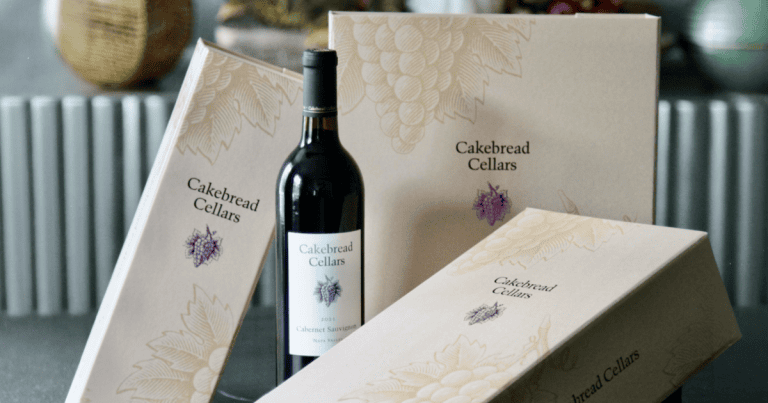
Unlike a tasting room visit or retail purchase, a DTC shipment often serves as the first physical interaction a customer has with a winery. The shipping box becomes the storefront. The unboxing experience becomes part of the brand story.
This means ecommerce packaging must accomplish far more than simply protecting bottles during transit.
Successful DTC wine packaging must:
- Prevent damage during shipping
- Create a memorable first impression
- Reinforce brand identity
- Support customer retention
- Encourage repeat purchases
- Enhance wine club experiences
- Reflect sustainability goals
For wineries investing in direct-to-consumer growth, packaging has become one of the most important customer experience tools available.
Why DTC Packaging Matters More Than Ever
When customers order directly from a winery, expectations are different.
Consumers are no longer comparing your experience solely against other wineries. They are comparing it to every ecommerce experience they have—from luxury retailers to subscription services and premium consumer brands.
The moment a shipment arrives, customers begin forming opinions.
Questions they may subconsciously ask include:
- Does this feel premium?
- Was this worth the price?
- Does this reflect the quality of the wine inside?
- Would I send this as a gift?
- Do I want to order again?
The answers often begin with packaging.
A damaged shipment, generic box, or uninspired presentation can diminish the overall experience, even when the wine itself is exceptional.
Conversely, thoughtfully designed packaging can strengthen perceived value and create emotional connections that encourage repeat purchases.
The Three Jobs of DTC Wine Packaging
The most successful ecommerce packaging programs accomplish three objectives simultaneously.
1. Protection
First and foremost, packaging must protect wine throughout the shipping process.
Wine shipments encounter:
- Conveyor systems
- Distribution centers
- Delivery vehicles
- Temperature fluctuations
- Handling by multiple carriers
Packaging failures result in:
- Product loss
- Replacement costs
- Customer dissatisfaction
- Negative reviews
- Lost future sales
Structural engineering should always be the foundation of a successful packaging program.
2. Brand Experience
Once protection requirements are met, packaging becomes a branding opportunity.
Elements that reinforce brand perception include:
- Custom graphics
- Premium printing
- Branded inserts
- Personalized messaging
- Thoughtful presentation
The goal is to transform a shipping carton into an extension of the winery itself.
3. Customer Retention
Every shipment represents an opportunity to strengthen the customer relationship.
Packaging can encourage:
- Social sharing
- Wine club renewals
- Additional purchases
- Referrals
- Gift purchases
For many wineries, customer retention generates significantly greater long-term value than new customer acquisition.
Choosing the Right Shipping Packaging Format
Not all wine shipments have the same requirements.
The optimal packaging solution often depends on order size, shipping destination, and customer expectations.
Single Bottle Shipments
Single bottle shipments are increasingly common for:
- Sample programs
- Limited releases
- Influencer outreach
- Corporate gifting
Packaging should balance protection with presentation while avoiding excessive material usage.
Two- and Three-Bottle Shipments
These formats are popular for:
- Gift purchases
- Seasonal promotions
- New customer acquisition
Presentation often becomes more important in these smaller-format shipments.
Six- and Twelve-Bottle Shipments
These remain the backbone of many wine club and DTC programs.
Priorities include:
- Structural strength
- Shipping efficiency
- Cost management
- Consistent branding
The Wine Club Packaging Advantage
Many wineries invest heavily in acquiring wine club members but overlook the ongoing shipment experience.
Every wine club shipment is a retention opportunity.
Members should immediately recognize your brand when a shipment arrives.
Effective wine club packaging often includes:
- Branded shipping cartons
- Seasonal messaging
- Tasting notes
- Food pairing suggestions
- Winemaker letters
- Event invitations
The objective is to create anticipation before a bottle is ever opened.
The most successful wine clubs create experiences rather than simply delivering products.
Creating Memorable Unboxing Experiences
Consumers increasingly share products online.
Wine is no exception.
A memorable unboxing experience can extend the reach of your marketing efforts and generate organic exposure.
Consider incorporating:
Custom Printed Packaging
Branded graphics immediately differentiate shipments from generic ecommerce deliveries.
Storytelling Elements
Include content that reinforces your winery’s history, philosophy, and values.
Premium Materials
Textured papers, specialty finishes, and high-quality printing help communicate quality.
Personalization
Simple touches can make customers feel recognized and appreciated.
The goal is not complexity. It is creating moments that customers remember.
Sustainability and Wine Shipping
Sustainability remains a priority for many wineries and consumers.
Fortunately, sustainable packaging no longer requires sacrificing performance or aesthetics.
Popular solutions include:
FSC-Certified Paperboard
Supports responsible forestry practices while maintaining premium presentation.
Recyclable Corrugated Structures
Widely accepted and easily recyclable.
Molded Pulp Inserts
Provide bottle protection while reducing reliance on certain foam materials.
Material Optimization
Thoughtful structural design can reduce material usage and shipping costs simultaneously.
Consumers increasingly appreciate sustainability efforts when they are practical, transparent, and aligned with overall brand values.
Packaging for Winery Gift Programs
Gift purchases represent one of the largest opportunities for DTC growth.
Whether for holidays, client appreciation, birthdays, or special occasions, packaging often influences gifting decisions.
Successful wine gifting programs focus on:
- Premium presentation
- Easy shipping
- Brand storytelling
- Gift-ready experiences
A bottle of wine may be the product, but the packaging often determines whether it feels like a gift.
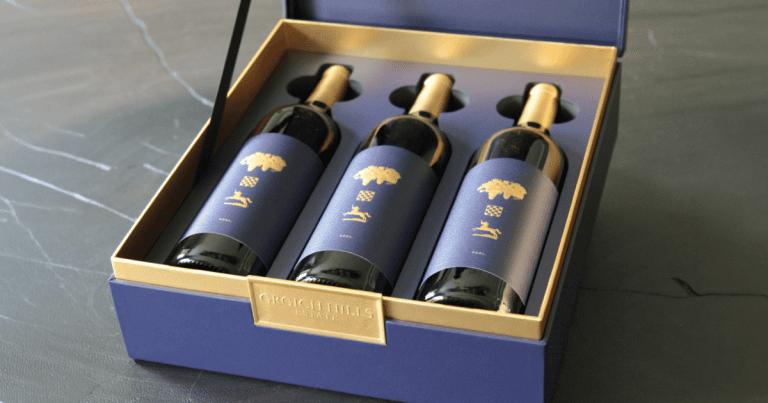
Luxury presentation boxes, custom inserts, and elevated packaging materials can significantly enhance perceived value.
Common DTC Packaging Mistakes
Even experienced wineries sometimes overlook critical packaging considerations.
Treating Packaging as a Cost Rather Than an Investment
Packaging directly influences customer experience and retention.
Waiting Too Long to Plan
Holiday and wine club packaging programs require significant lead time.
Overlooking Brand Storytelling
Packaging should communicate more than logistics.
Focusing Only on Protection
Protection is essential, but customer experience matters too.
Using One Solution for Every Need
Different sales channels often require different packaging strategies.
Future Trends in Wine Ecommerce Packaging
Several trends continue to shape DTC wine programs in 2026.
Elevated Wine Club Experiences
Wineries are investing more heavily in member engagement and presentation.
Luxury Gifting Programs
Premium packaging continues gaining importance.
Sustainability
Consumers increasingly expect environmentally responsible solutions.
Brand Storytelling
Packaging is becoming a more active marketing channel.
Personalization
Customized messaging and tailored experiences continue growing.
As direct-to-consumer sales evolve, packaging will play an increasingly important role in differentiating wineries from competitors.
How BIG SKY PACKAGING Supports DTC Wine Programs
At BIG SKY PACKAGING, we help wineries create packaging solutions that balance protection, presentation, and operational efficiency.
Our team supports:
- Wine club packaging
- Ecommerce shipping programs
- Corporate gifting
- Luxury presentation boxes
- Folding cartons
- Corrugated shipping solutions
- Sustainable packaging initiatives
- Custom inserts and branded materials
Through engineering, development, production management, quality oversight, and logistics coordination, we help wineries create packaging experiences that strengthen customer relationships and support long-term growth.
Final Thoughts
As direct-to-consumer wine sales continue to expand, packaging has become much more than a shipping requirement.
It is a customer experience tool.
It is a retention strategy.
It is a brand-building opportunity.
And increasingly, it is one of the most important touchpoints between wineries and consumers.
The wineries that succeed in the years ahead will be those that view packaging not simply as a way to deliver wine, but as a way to deliver their brand.
Because long before a customer tastes the wine, they experience the packaging.