Beauty consumers are becoming more selective about the products they purchase and the brands they trust. In 2026, packaging is playing a larger role than ever in influencing buying behavior, customer retention, and brand perception.
While AI-driven shopping and social commerce continue changing how consumers discover products, physical packaging remains one of the strongest opportunities for brands to create differentiation and long-term loyalty.
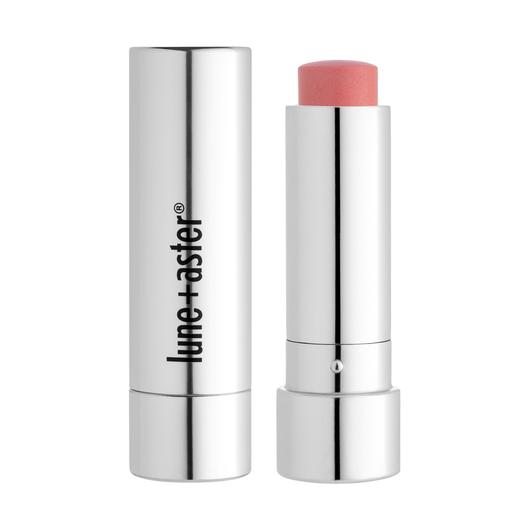
One category seeing particularly strong growth is functional beauty — products designed to combine convenience, wellness, and everyday usability. Lune+Aster’s tinted lip balm reflects this shift well from both a product and packaging standpoint.
Its packaging demonstrates how simplicity, portability, and premium presentation can work together to support modern consumer expectations.
Consumers increasingly gravitate toward products that feel practical, elevated, and easy to incorporate into daily routines. Packaging now serves as both a branding tool and a functional extension of the product experience.
For lip care and hybrid beauty categories, brands are focusing more heavily on:
- minimalist premium aesthetics
- portability and convenience
- sustainable packaging structures
- tactile finishes and materials
- refillable or mono-material opportunities
- social-media-friendly design
Consumers also expect products to perform well operationally. Packaging must withstand travel, fit easily into handbags or cosmetic cases, dispense consistently, and maintain shelf appeal over time.
As customer acquisition costs continue rising, brands are relying more heavily on packaging to reinforce product quality, improve retention, and support repeat purchases. Packaging is no longer simply protective — it has become part of the customer experience itself.
At the same time, beauty brands continue facing operational challenges including tariffs, freight volatility, material cost fluctuations, and longer global lead times. Many companies are now reevaluating how packaging impacts both profitability and supply chain stability.
This is where strategic packaging partnerships become increasingly valuable.
At BIG SKY PACKAGING, we work with beauty, skincare, fragrance, and wellness brands to develop both custom and stock packaging solutions across North America, South America, Europe, and Asia.
We support brands through:
- custom component development
- decorated stock packaging programs
- packaging engineering
- secondary packaging and cartons
- sampling and prototyping
- QA/QC oversight
- freight and logistics coordination
- supply chain diversification strategies
For many growing beauty brands, customized-stock packaging programs can offer an ideal balance between speed-to-market, visual differentiation, and cost management. In many cases, brands can achieve strong shelf presence without the expense and lead times associated with fully custom molds.
As beauty continues moving toward digital-first discovery, packaging is becoming one of the few remaining opportunities for brands to create genuine physical engagement with consumers.
Lune+Aster’s tinted lip balm packaging reflects several trends shaping the future of beauty packaging: functional design, portability, premium simplicity, and operational efficiency.
The brands most likely to stand out over the next several years will be those that successfully balance branding, functionality, operational discipline, and customer experience.
At BIG SKY PACKAGING, we help beauty brands create packaging solutions that support both long-term growth and customer experience.
To learn more about BIG SKY PACKAGING and our beauty packaging capabilities, visit https://bigskypackaging.com.
Frequently Asked Questions
A slim stick-format packaging designed for easy, on-the-go application.
It must be durable, hygienic, and easy to use while visually aligning with the brand’s positioning
Clean lines, modern typography, and a premium finish that elevates a traditionally simple product.
Consumers expect the product to be portable without compromising aesthetics or quality
Even low-cost categories like lip balm benefit from elevated, brand-consistent design.