
Are you seeking ways to get your name listed under the businesses with reduced carbon footprint?
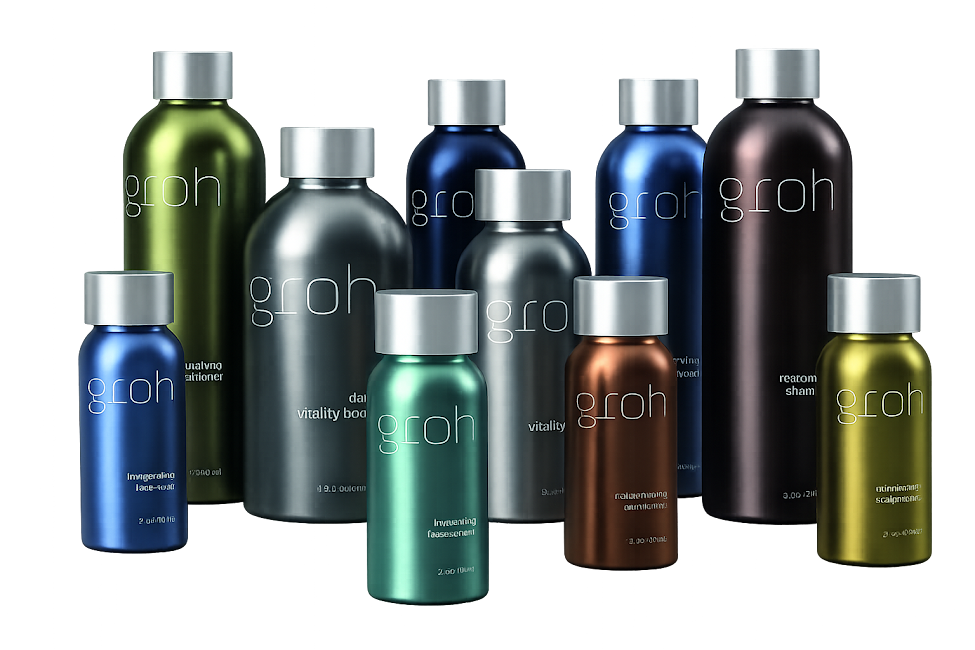
Start with choosing the right packaging for your products. One effective option is to adopt aluminum packaging solutions.
Aluminum is not only lightweight and durable but also a highly recyclable option that delivers substantial environmental advantages over conventional packaging materials like plastic.
This blog explores how aluminum packaging solutions can help lessen your carbon footprint, and offer insights for packaging engineers on how to execute these solutions effectively.
The Environmental Blessings of Aluminum Packaging
1. Recyclability
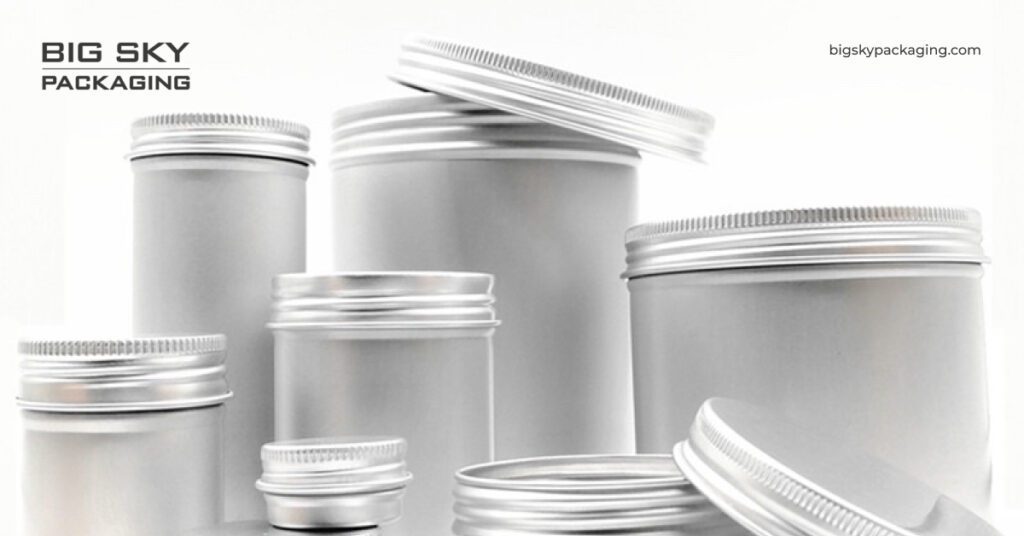
Aluminum is known for its exceptional recyclable features. When we use plastics in the packaging they degrade in quality with time, but aluminum can be recycled indefinitely that too without any damage to its properties. This means that the very piece of aluminum can be used often while downsizing the requirement for new raw materials in the making of the packaging.
2. Declined Carbon Footprint
When compared to many other materials, the production & recycling processes for aluminum are the least carbon-intensive. The energy savings from recycling aluminum instantly summarize into lower greenhouse gas emissions. Again, because aluminum is lightweight, it needs less fuel for transportation, additionally reducing its carbon footprint. This makes it a great choice for all willing to lower their widespread environmental impact.
3. Durability and Longevity
The best of all is that aluminum is way too robust and resistant to corrosion, which means it can preserve products actually over extended periods. This durability decreases the requirement for frequent replacement and underestimates waste.
Why Implement Aluminum Packaging Solutions?

1. Custom Design and Engineering
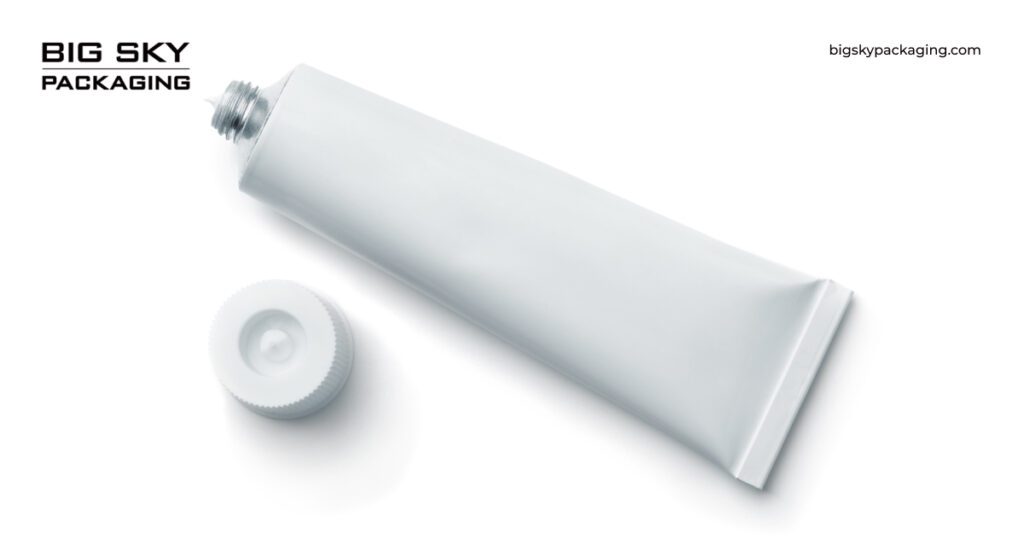
Packaging engineers can leverage aluminum’s versatility to create custom designs that meet specific product needs. From bottles and cans to caps and tubes, aluminum can be molded into a variety of shapes and sizes. Advanced techniques like anodizing and spray coating allow for a wide range of colors and finishes, enhancing the aesthetic appeal of the packaging while maintaining its eco-friendly benefits.
2. Life Cycle Analysis
Conducting a comprehensive life cycle analysis is essential for understanding the environmental impact of packaging choices. This analysis should consider the entire lifecycle of the packaging, from raw material extraction through production, transportation, use, and end-of-life recycling. By comparing these factors, packaging engineers can make informed decisions that balance functionality, cost, and sustainability.
3. Collaborative Development
Developing sustainable packaging solutions often requires collaboration between packaging engineers, designers, and suppliers. Engineers should work closely with suppliers to source high-quality recycled aluminum and with designers to create packaging that not only meets sustainability goals but also aligns with brand aesthetics and functionality requirements.
Overcoming Challenges in Aluminum Packaging
1. Cost Considerations
One potential barrier to adopting aluminum packaging is cost. Although the initial expense of aluminum can be higher than some plastics, the long-term savings from reduced material use, lower transportation costs, and recyclability often offset these upfront costs. Companies should conduct a thorough cost-benefit analysis to understand the economic impact of switching to aluminum.
2. Consumer Perception
Educating consumers about the benefits of aluminum packaging is crucial. While aluminum is widely recognized for its recyclability, consumers might not be fully aware of its other environmental benefits. Clear labeling and marketing campaigns that highlight aluminum’s sustainability can enhance consumer acceptance and preference for products packaged in aluminum.
How Packaging Engineers Can Help with Exclusive Aluminum Packaging Solutions
Packaging engineers play a pivotal role in advancing sustainable aluminum packaging. Here are four key points on how they can contribute:
Innovative Design: Engineers can create bespoke aluminum packaging that aligns with brand aesthetics while maximizing functionality and sustainability.
Material Sourcing: Collaborating with suppliers to procure high-quality, recycled aluminum ensures eco-friendly and robust packaging solutions.
Consumer Education: Engineers can aid in developing clear labeling and marketing strategies to educate consumers on the benefits of aluminum packaging.
Conclusion: Embrace Aluminum for a Greener Future

Aluminum packaging solutions offer a viable and effective means for businesses to reduce their carbon footprint while maintaining high standards of quality and aesthetics. Our Packaging engineers at BIG SKY PACKAGING play a critical role in designing and implementing these solutions, ensuring they meet both sustainability goals and market demands. By investing in aluminum packaging, companies can make a significant positive impact on the environment, paving the way for a more sustainable future.