
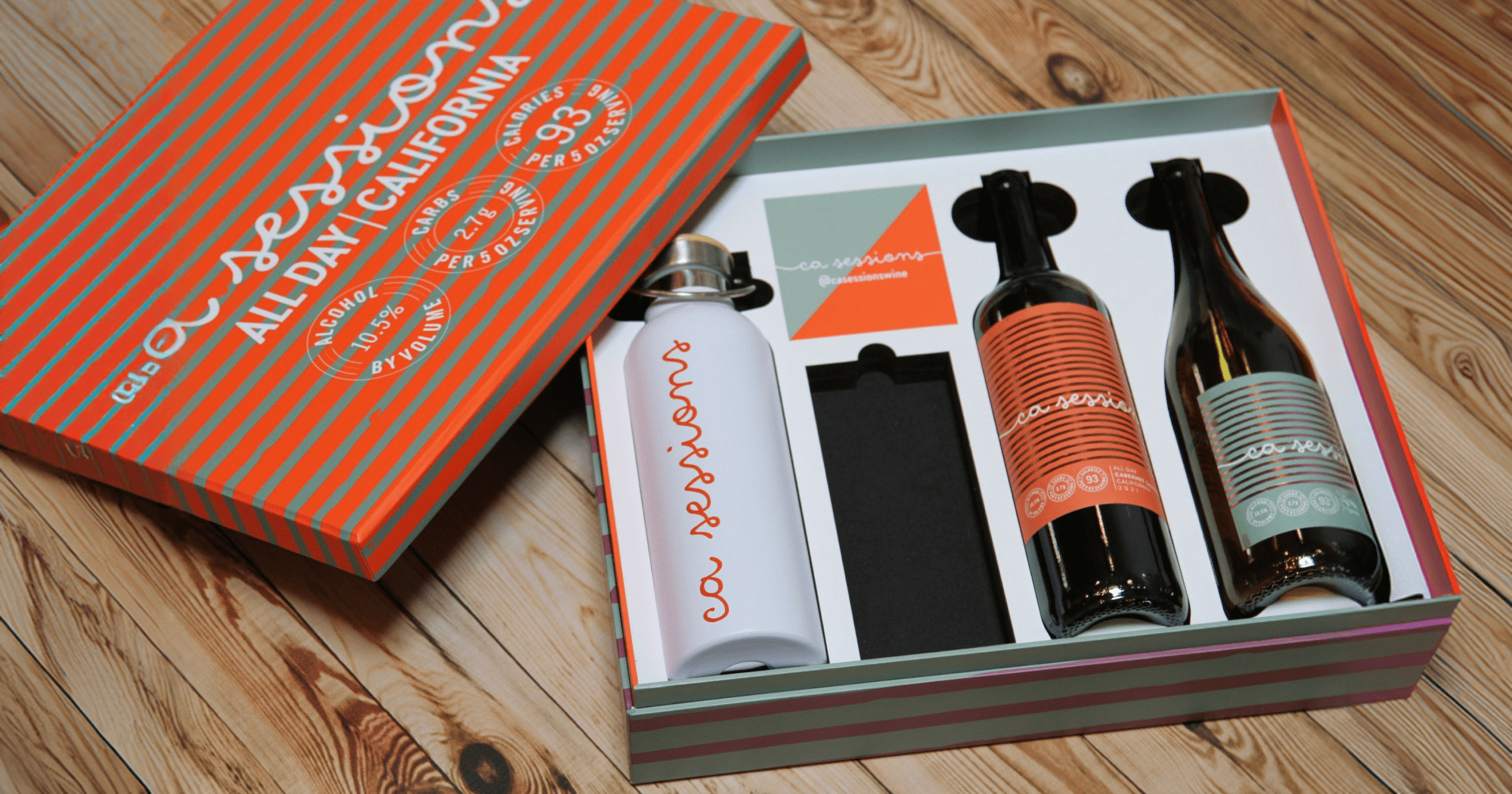
In a volatile global trade environment, tariff exposure can significantly alter packaging economics. For beauty, fragrance, personal care, and luxury wine brands, understanding packaging tariff impact is no longer a procurement detail—it is a financial discipline.
To protect margin and ensure long-term scalability, brands must model the true cost of packaging beyond unit price.
The Importance of HTS Code Classification
Every imported packaging component is assigned a Harmonized Tariff Schedule (HTS) code. Proper HTS code classification for packaging determines applicable duty rates and directly affects total landed cost.
Misclassification can result in:
- Unexpected duty exposure
- Retroactive penalties
- Delays at customs
Strategic packaging partners review HTS codes early in the sourcing process to evaluate duty implications before production begins. Even minor material or component adjustments can shift tariff classifications and reduce exposure.
Scenario Planning for Tariff Increases
Trade policy can change quickly. Brands that rely on a single production geography are particularly vulnerable to sudden tariff increases.
A disciplined tariff mitigation strategy includes:
- Modeling multiple duty scenarios
- Evaluating alternative production regions
- Comparing landed cost across geographies
- Building optionality into long-term supplier agreements
Scenario planning allows brands to anticipate cost shifts rather than react to them under pressure.
Modeling True Packaging Costs: Beyond Unit Price
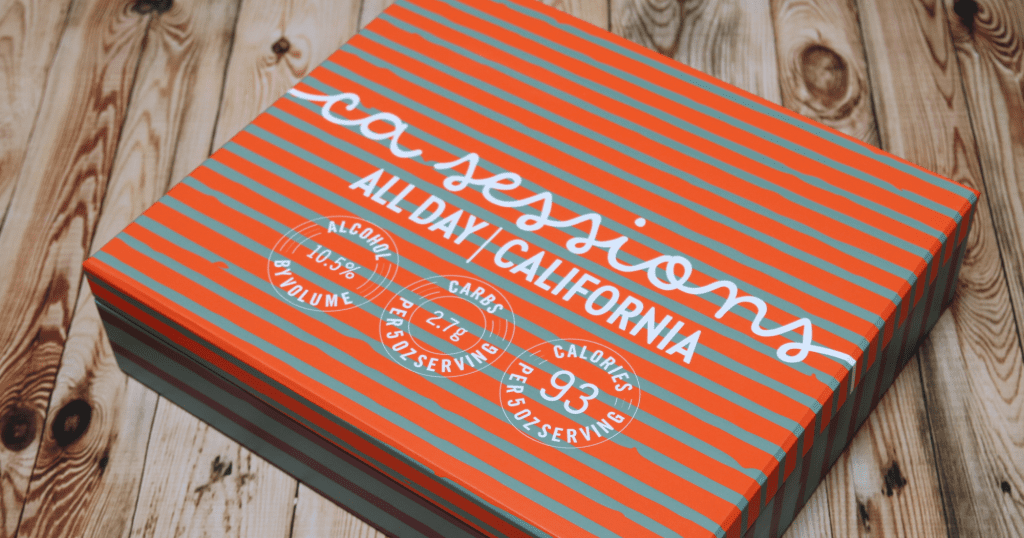
Too often, packaging decisions are made based solely on quoted unit cost. However, accurate packaging cost modeling must include:
- Import duties and tariff rates
- Ocean or air freight costs
- Inland transportation
- Warehousing and inventory carrying costs
- Port fees and customs brokerage
This comprehensive view of total landed cost for packaging provides a clearer understanding of margin impact. In some cases, a slightly higher ex-works unit price from a different region can result in lower overall landed cost when duty and freight are considered.
Alternative Manufacturing Strategies When Tariffs Shift
When tariffs increase or trade tensions escalate, brands must evaluate alternative manufacturing strategies quickly and methodically.
Options may include:
- Nearshoring to reduce tariff exposure
- Splitting production between regions
- Adjusting materials to alter HTS classification
- Re-engineering components to improve freight efficiency
The key is flexibility. A diversified production framework provides leverage and optionality in uncertain environments.
Financial Literacy as a Competitive Advantage

At BIG SKY PACKAGING, we approach packaging through the lens of operational discipline and financial rigor. We integrate tariff impact analysis, HTS code review, and total landed cost modeling into every sourcing decision.
Our clients benefit from structured RFQ processes, multi-region manufacturing capabilities, and scenario-based cost modeling designed to protect margin and reduce exposure.
In today’s market, creative excellence must be matched by financial intelligence. Brands that understand their full packaging cost structure—and build flexibility into their supply chain—are better positioned to scale confidently, regardless of trade volatility.
Are You Ready to Model a More Resilient Packaging Strategy?
If evaluating your packaging tariff exposure is a priority, we welcome the opportunity to help model a more resilient strategy.