Most beauty brands believe they are overpaying for packaging. Few know exactly where, or how to fix it without undermining the brand equity they have worked hard to build. This guide changes that. Across eight evidence-based strategies, we break down the real drivers of cosmetic packaging cost in 2026 and give you the frameworks, worked examples, and decision tools to act on them now.
Why Cosmetic Packaging Costs Are Rising in 2026
Cosmetic packaging costs are increasing in 2026 due to four primary forces: raw material inflation, ongoing supply chain instability, sustainability-driven material shifts, and elevated global shipping costs.
| +30% | +$2 | 4 |
| PCR & sustainable material premium over virgin plastic | Per-unit air freight premium vs sea freight | Core cost pressures reshaping packaging economics in 2026 |
Raw materials: Prices for glass, aluminium, and resins remain volatile due to energy costs and global demand pressures.
Supply chain disruption: Continued geopolitical uncertainty and regional production shifts are reducing efficiency and extending lead times.
Sustainable material premiums: Demand for PCR plastics, mono-material designs, and alternative substrates is rising, often at a 10–30% cost premium.
Shipping and logistics: Ocean freight, tariffs, and inland transportation costs remain elevated compared to pre-2020 benchmarks.
Key Insight
Unit price alone is no longer a reliable cost indicator. Total landed cost and supply chain strategy matter more than ever — and brands that understand the full picture will consistently outperform those that don’t.
What Actually Drives Your Packaging Cost?
Packaging cost is not driven by a single factor, it is the combination of six interdependent variables that determines your total landed cost. Understanding this framework is the first step toward making smarter decisions.
| Cost Driver | What It Means for Your Budget |
| 1. Material Type | Glass and aluminium cost more than standard plastics. PCR and sustainable substrates add a further 10–30% premium due to limited supply. |
| 2. Order Volume (MOQ) | Higher volumes reduce unit cost through economies of scale. Low MOQs increase per-unit pricing significantly. |
| 3. Customization Level | Stock packaging is cost-effective and fast. Custom molds require $2K–$15K+ tooling, higher MOQs, and longer lead times |
| 4. Decoration & Finish | Hot stamping, water transfer, metallization, and multi-layer decoration increase cost vs single-color silk screening or labelling. |
| 5. Origin & Shipping | Domestic production offers faster turnaround but higher unit cost and increased lead-times. Overseas production brings flexibility in MOQ and reduces unit cost, but adds freight, duties, and risk. |
| 6. Lead Time | Standard timelines are cost-efficient. Rush production carries premiums through expedited manufacturing and air freight |
BIG SKY PACKAGING — OUR APPROACH
By evaluating all six drivers holistically, Big Sky Packaging optimizes cost through strategic material selection, production location, and volume planning — ensuring balanced decisions, not just lower quotes.
STRATEGY 1 – Optimize Your MOQ
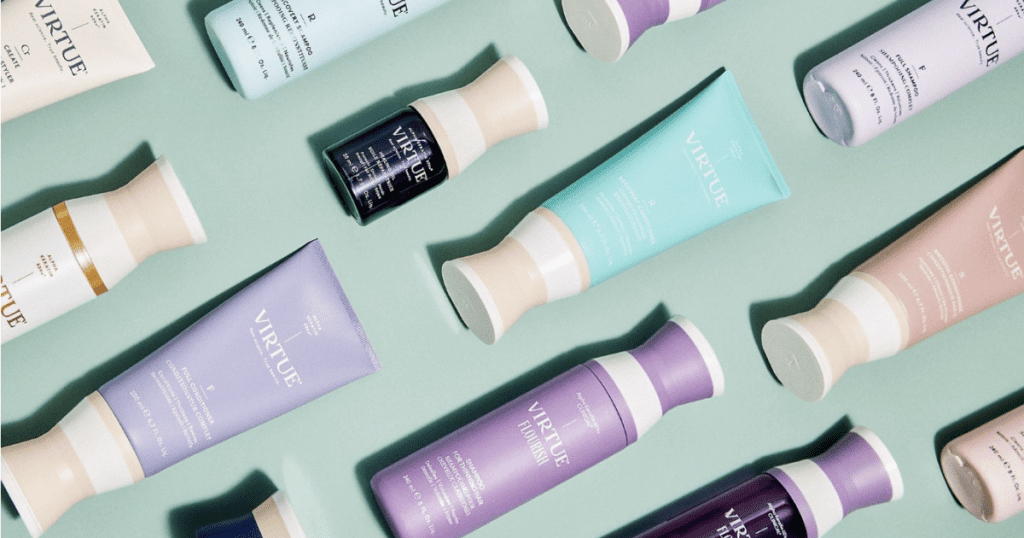
Increasing order volume is one of the most powerful levers for reducing unit cost, yet many brands hesitate due to cash flow concerns. In practice, even modest MOQ increases can materially improve margins.
Example: Custom Glass Cosmetic Bottle
| Option | Unit Cost | Total Investment | Savings/Unit |
| Option A — 10,000 units | $2.00 /unit | $20,000 total | — |
| Option B — 20,000 units | $1.45 /unit | $29,000 total | $0.55 saved (27.5%) |
The incremental spend to move from 10,000 to 20,000 units is $9,000 — yet it delivers $11,000 in unit savings across the full order: a net margin improvement of $2,000.
Break-Even Framework
Simple Calculation
If your monthly sales velocity is 5,000 units, the additional 10,000 units from Option B sell through in approximately 2 months. At $0.55 saved per unit, the decision can generate meaningful margin improvement while also reducing future replenishment costs and production frequency. The key is aligning MOQ strategy with realistic demand forecasting, inventory carrying capacity, and long-term growth objectives.
When to Increase MOQ vs Stay Conservative
| Increase MOQ When | Be Conservative When |
| Consistent monthly sales velocity | Unproven product or new launch |
| Planning a product launch or scale-up | Short product lifecycle (seasonal/trend) |
| Packaging is shared across multiple SKUs | Limited storage or cash flow |
| Long lead times increase reorder risk | Rapidly evolving packaging design |
STRATEGY 2 – Choose Customised Stock Over Bespoke Molds
Custom molds for cosmetic packaging typically require $2,000–$15,000 in upfront tooling — plus longer lead times and higher MOQs. Customised stock packaging delivers approximately 80% of the brand differentiation at 20% of the cost.
Direct Comparison
| Factor | Custom Mold | Customized Stock |
| Tooling cost | $8,000 | $0 |
| Unit cost | $1.80 | $2.10 |
| Minimum order quantity | 10,000 units | 2,500–5,000 units |
| Lead time | 16–20 weeks | 8–12 weeks |
| Total cost at 5,000 units | $17,000 | $10,500 |
The slightly higher unit cost of customized stock is more than offset by eliminating tooling and reducing inventory commitment. Brands achieve a premium look without the capital risk.
What Customized Stock Looks Like in Practice
• Custom Pantone color matching (resins or coatings)
• Silk screening, hot stamping, emboss or deboss deco and pressure-sensitive labelling
• Matte, gloss, frosted, or metallized finishes
• Custom caps, pumps, and collars paired to stock forms
• Secondary packaging enhancements — cartons, inserts, sleeves
BIG SKY PACKAGING — CUSTOMISED STOCK PROGRAMME
Our customized stock program bridges the gap between generic and fully bespoke. With an extensive global component library spanning glass, plastic, and aluminium, advanced multi-region decoration capabilities, and MOQs suited to indie and growth brands, we deliver premium brand execution without the tooling premium.
Scalable pathway: Start with customized stock. When volume justifies it, transition to custom molds — with the data to make that decision confidently.
STRATEGY 3 – Consolidate Your SKU Range
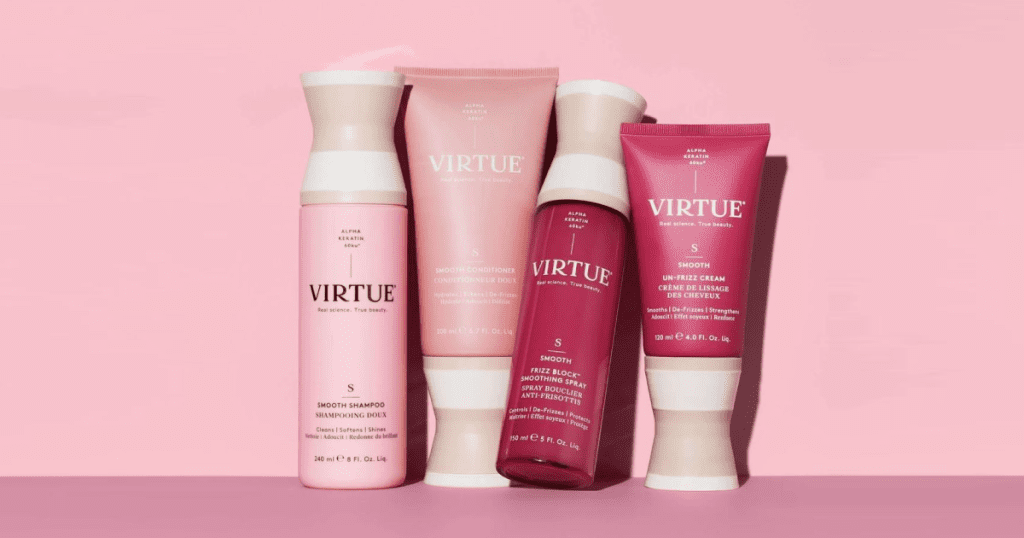
Brands with 12 SKUs across 8 different bottle formats pay a significant premium through fragmented tooling, low volumes per format, and inefficient procurement. Consolidating to 3 base components with variation in decoration only can cut procurement costs by 30–40%.
Before & After: SKU Consolidation
| Before — Fragmented Portfolio | After — Consolidated Strategy |
| 12 SKUs across 8 unique bottle formats | 12 SKUs across 3 base components |
| Avg. MOQ per format: 3,000 units | Differentiation via color, finish & decoration |
| Avg. unit cost: $2.40 | Avg. unit cost: $1.50–$1.70 (30–40% reduction) |
| Multiple suppliers, weak pricing leverage | Strong volume leverage per component |
| High inventory complexity & forecasting burden | Simplified reordering & supply chain stability |
Key Insight
Consumers perceive differentiation through visual identity — not structural variation. Consolidating components while varying decoration delivers brand impact without operational inefficiency. A 30–40% cost reduction is achievable without changing how your products look on shelf.
STRATEGY 4 – Simplify Your Decoration Strategy
Decoration is one of the fastest ways to increase — or control — packaging cost. Many brands over-specify finishes without realising the impact on unit economics. A single decoration decision can shift unit cost by $0.50–$0.80, or 25–40% at lower MOQs.
Decoration Cost Comparison at 1,000 Units (Glass Bottle, Base Cost $1.50)
| Decoration Method | Cost Added | Total Unit Cost | Best For |
| 4-color silk screen | +$0.80–$1.00/unit | $2.30–$2.50 total | Highest cost |
| Hot stamp (single pass) | +$0.50–$0.70/unit | $2.00–$2.20 total | Premium look, controlled cost |
| 1–2 color silk screen | +$0.45–$0.60/unit | $1.95–$2.10 total | ~40% cheaper than 4-color |
| Label only | +$0.20–$0.35/unit | $1.70–$1.85 total | Lowest cost, most flexible |
Use a multi-color silk screen when branding complexity is non-negotiable for your positioning.
Use 1–2 colors or hot stamps for a premium but margin-efficient balance.Use labels for speed, flexibility, and cost control — particularly for early-stage brands or new SKU testing.
Design Principle
Consumers perceive premium through contrast, finish, and clarity — not necessarily color count. Simplifying decoration often preserves brand impact while materially improving margin.
STRATEGY 5 – Plan Packaging Earlier to Avoid Air Freight
Air freight is one of the most avoidable costs in cosmetic packaging. At $0.50–$2.00 per unit, a 5,000-unit order absorbs $2,500–$10,000 in unnecessary spend — simply from missing a planning window. Most air freight is not a strategic decision. It is a reactive one.
Packaging Planning Calendar — Work Backwards from Launch Date
| Timeline | Action Required |
| Week –20 to –16 | Finalize specifications and confirm supplier. Lock packaging specs, decoration, and materials. No decisions should be pending at this stage. |
| Week –16 to –12 | Sampling and testing. Review pre-production samples, test formula compatibility, approve color and finish adjustments. |
| Week –12 to –6 | Full production run. No specification changes at this stage. Monitor production milestones with suppliers. |
| Week –12 to –6 | Sea freight and customs. Ocean shipment in transit. Customs documentation prepared. Inland delivery coordinated. |
| Buffer: 2–4 weeks before launch | Packaging received, quality inspected, and ready for filling and assembly. Buffer absorbs minor delays without cost impact. |
The Rule
Miss this timeline by a few weeks, and you pay for speed. Plan ahead, and you protect the margin. Big Sky Packaging builds realistic timelines into every project — aligning production location with launch dates to prevent costly last-minute freight decisions.
STRATEGY 6– Switch to PCR Plastic Strategically
PCR (post-consumer recycled) plastic typically adds a 15–25% material premium over virgin plastic. But for the right brand and positioning, it is not just a cost increase — it is a commercial lever.
The Financial Tradeoff
| Scenario | Unit Cost | Retail Price | Net Impact |
| Virgin plastic bottle | $1.00/unit | Retail: $20.00 | Baseline |
| PCR version (+20% premium) | $1.20/unit | Retail: $20.00 | +$0.20 cost |
| PCR with 10% price lift | $1.20/unit | Retail: $22.00 | +$1.80 margin gain |
Properly positioned, a $0.20 incremental cost can unlock $2.00 in additional revenue per unit — a strongly positive margin impact.
Decision Framework
Ask Yourself
Can a clear sustainability story justify a 10–20% retail premium or meaningfully increase conversion for your specific customer? Yes → PCR likely improves margin. Apply to hero SKUs where packaging is visible and the story is compelling. No → Use selectively. PCR may be less effective in price-sensitive mass channels or low-margin SKUs.
STRATEGY 7 – Use Regional Warehousing to Reduce Per-Shipment Costs
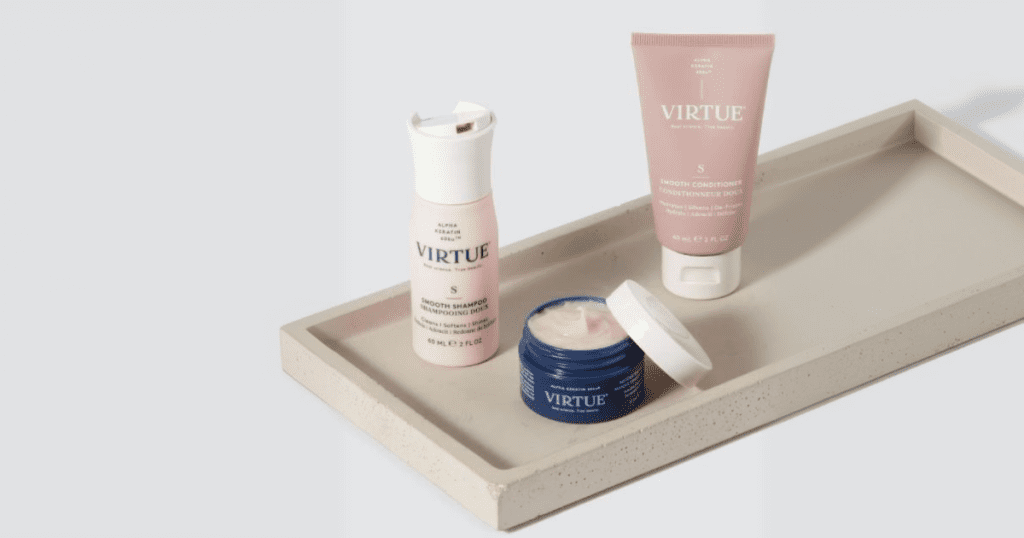
Freight is consistently underestimated as a packaging cost driver. Ordering in larger volumes and storing regionally can reduce per-unit landed cost by 15–20% through shipment consolidation.
Quarterly vs Annual Ordering
| Quarterly (4 Shipments) | Annual (1 Consolidated Shipment) |
| 5,000 units × 4 shipments per year | 20,000 units × 1 shipment per year |
| Higher freight cost per unit | 15–20% lower landed cost per unit |
| More frequent customs clearance events | Single customs clearance event |
| Lower inventory risk per order cycle | Better pricing leverage with supplier |
Warehousing Models
| Model | Storage Cost | Speed | Best For |
| Domestic (U.S.) | Higher | Fastest | Fast-moving SKUs |
| Origin (overseas) | Lower | Longer lead time | Stable, predictable products |
| Hybrid model (recommended) | Optimized | Balanced | Most brands — best of both |
Carrying Cost Rule of Thumb
Holding inventory typically costs 15–25% annually, including storage, insurance, and cost of capital. Freight savings must outweigh carrying costs for bulk ordering to make financial sense — this calculation is project-specific, not universal.
STRATEGY 8 – Audit Your Current Packaging Spend
Many brands overpay simply because they have never completed a structured packaging cost audit. A focused review can uncover 10–25% savings without changing the product. The process is straightforward — and the financial impact is immediate.
Step-by-Step Packaging Spend Audit
1. List all active SKUs and packaging components. Map every primary component, secondary packaging, closures, and decoration types. This step alone often highlights consolidation opportunities.
2. Calculate landed cost per unit for each component. Include unit price + freight + duties + logistics + warehousing. A bottle quoted at $1.20 often lands at $1.60–$1.80.
3. Identify your top 3 highest-cost components. Typically 2–3 components account for the majority of packaging spend. Focus here for maximum impact.
4. Request competitive quotes for those 3 components. Benchmark against domestic and international options. A $0.20 reduction across 50,000 units = $10,000 in annual savings.
5. Calculate savings potential and implement at next reorder. Align changes with existing production cycles to avoid mid-cycle disruptions.
BIG SKY PACKAGING — FREE PACKAGING COST REVIEW
Our free packaging cost review includes a full landed cost analysis across your active SKU portfolio, supplier and region benchmarking, and specific cost-reduction recommendations you can implement at your next reorder. No commitment required.
Request your review at: bigskypackaging.com/contact/
DATA – How Much Can You Realistically Save on Cosmetic Packaging?
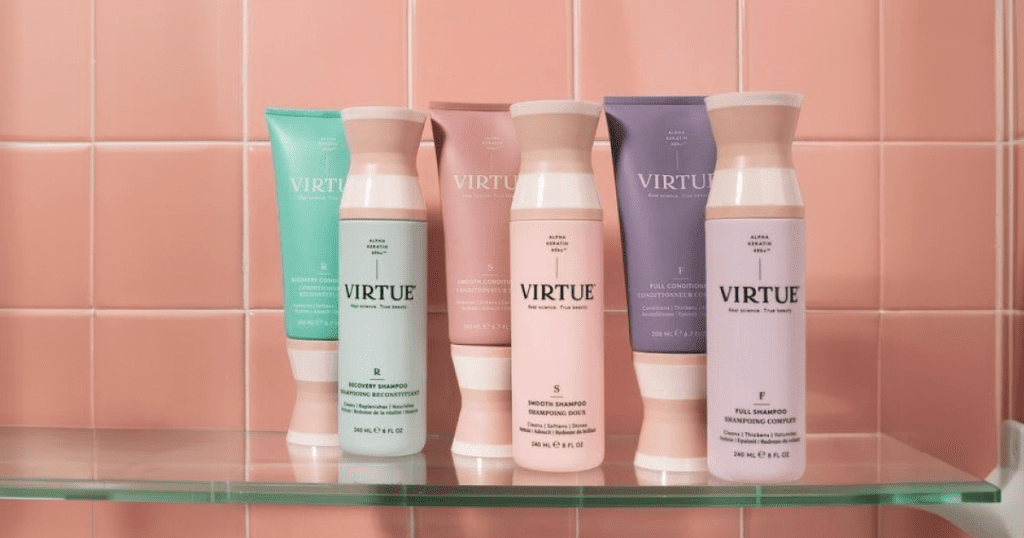
Savings vary by scale — but most brands can reduce packaging costs by 10–35% with the right strategy. Here are realistic benchmarks by brand size.
| Startup — Under 1,000 units/month Example: $2.50 → $2.00/unit Key levers: MOQ optimization, simplified decoration, stock components, domestic production | 10–20% savings possible |
| Growth Brand — 1,000–10,000 units/month Example: $2.20 → $1.50/unit Key levers: Supplier benchmarking, SKU consolidation, freight optimization, volume leverage | 20–35% savings possible |
| Established Brand — 10,000+ units/month Example: $1.80 → $1.40/unit Key levers: Global production strategy, volume leverage, material optimization, regional warehousing | 15–25% savings possible |
The Most Important Insight
The largest savings typically come from structural decisions — not price negotiation. Brands that reassess how packaging is designed, sourced, and shipped consistently outperform those that simply request lower quotes.
READY TO REDUCE YOUR PACKAGING COSTS?
Get a Free Packaging Cost Review from Big Sky Packaging
Our team will analyse your current packaging portfolio, calculate your true landed cost per unit, and identify specific savings opportunities — at no cost and no obligation. Most brands find 10–25% in savings they didn’t know they had.