The beauty industry is undergoing a major transformation, and refillable packaging is quickly becoming one of the most important shifts influencing product development, sustainability strategy, and consumer purchasing behavior. What was once considered a niche luxury concept is now becoming a mainstream expectation across skincare, fragrance, hair care, and personal care categories.
Today’s consumers are paying closer attention to packaging waste, environmental impact, and long-term brand responsibility. At the same time, beauty brands are searching for ways to strengthen customer loyalty, differentiate themselves at retail, and improve operational efficiency. Refillable packaging sits at the center of all three.
For many beauty companies, refillable packaging is no longer simply a sustainability initiative — it is becoming part of the overall brand experience.
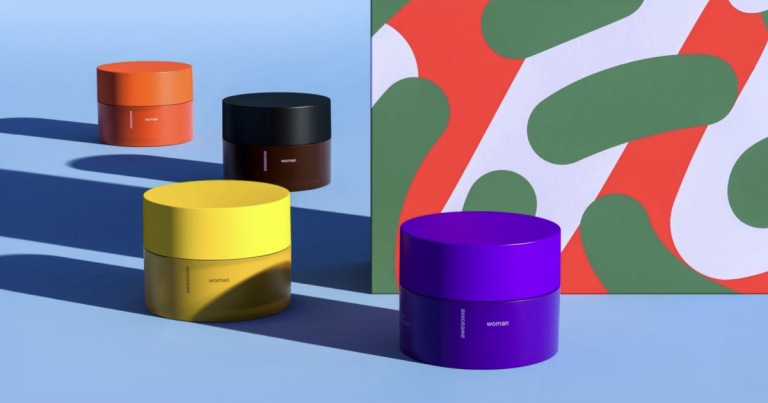
Consumers increasingly want products that feel elevated, intentional, and reusable rather than disposable. A well-designed refillable package creates a stronger emotional connection with the customer. The primary package often becomes a keepsake item displayed on a vanity or countertop, while refill systems provide convenience and reduce material consumption over time.
This trend is especially visible in prestige beauty and luxury skincare, where brands are investing heavily in heavier wall glass, aluminum, premium decoration, magnetic closures, and durable outer components designed for repeated use. Refill cartridges, pods, pouches, and replaceable inserts are allowing brands to maintain a luxury aesthetic while reducing packaging waste.
Beyond sustainability, refillable packaging also creates operational and financial opportunities for brands.
Refill systems can encourage repeat purchases and improve customer retention by bringing consumers back into the brand ecosystem more frequently. In many cases, refill packaging also reduces freight costs, storage requirements, and overall material usage compared to continually producing full primary packs.
Retailers are also paying attention.
Major beauty retailers, including Sephora and Ulta Beauty, continue expanding sustainability-focused initiatives and highlighting brands that demonstrate measurable environmental progress. Refillable packaging can help brands align more closely with retailer expectations while also appealing to younger consumers who increasingly factor sustainability into purchasing decisions.
However, developing refillable packaging successfully requires careful planning and engineering.
Brands must consider:
- component compatibility
- leak prevention
- refill ease-of-use
- long-term durability
- decoration wear over time
- refill supply chain logistics
- regulatory and recycling considerations
Not every product category or formula is suitable for refill systems, which makes packaging engineering and manufacturing strategy especially important.
At BIG SKY PACKAGING, we are seeing growing demand from beauty brands exploring refillable solutions that balance sustainability, functionality, aesthetics, and cost control. Many brands are looking for ways to create refill systems without compromising shelf presence or the overall customer experience.
This includes:
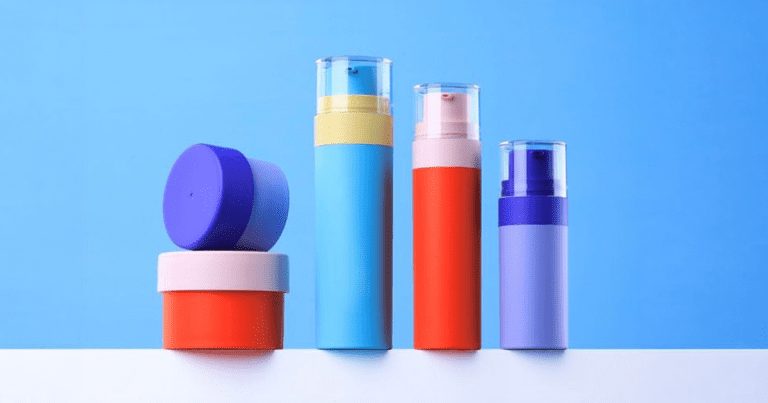
- refillable airless systems
- replaceable inner jars
- refill pouches
- reusable fragrance components
- aluminum and glass refill platforms
- mono-material packaging designed for easier recycling
The future of beauty packaging will likely involve a combination of sustainability, operational efficiency, and elevated consumer experience. Refillable packaging addresses all three.
As the beauty industry continues evolving, brands that successfully integrate refillable packaging into their long-term strategy may be better positioned to strengthen customer loyalty, improve sustainability initiatives, and differentiate themselves in an increasingly competitive marketplace.
Consumers are no longer evaluating packaging based only on appearance. They are increasingly evaluating how responsibly it fits into their everyday live.