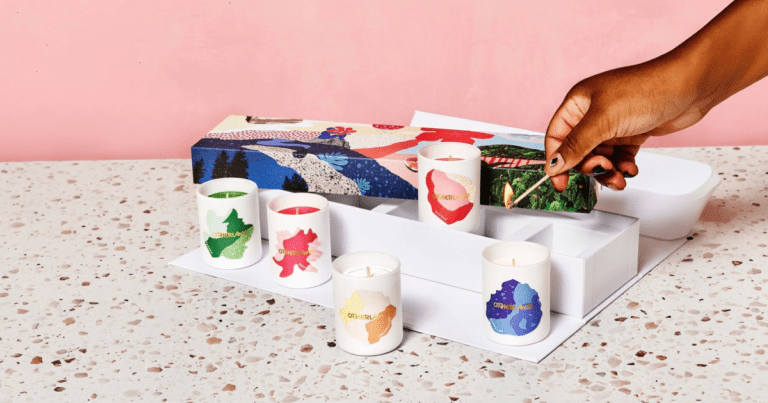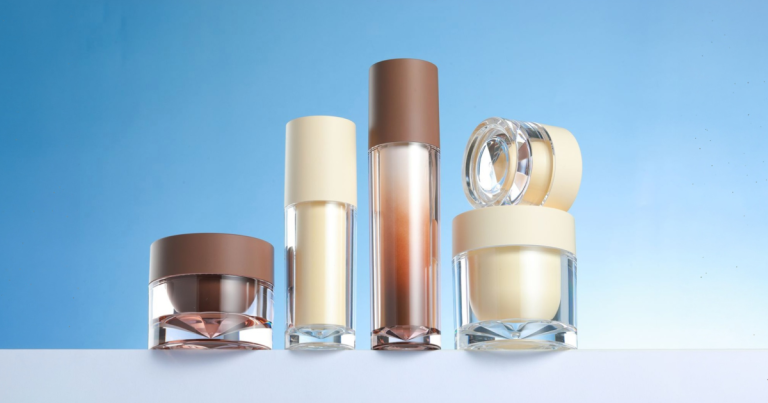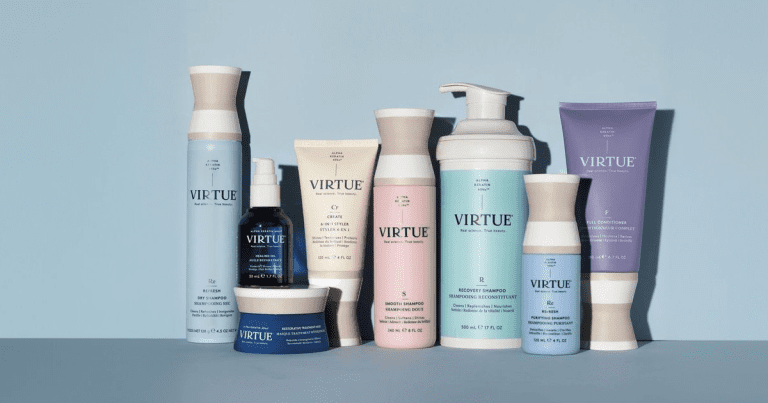
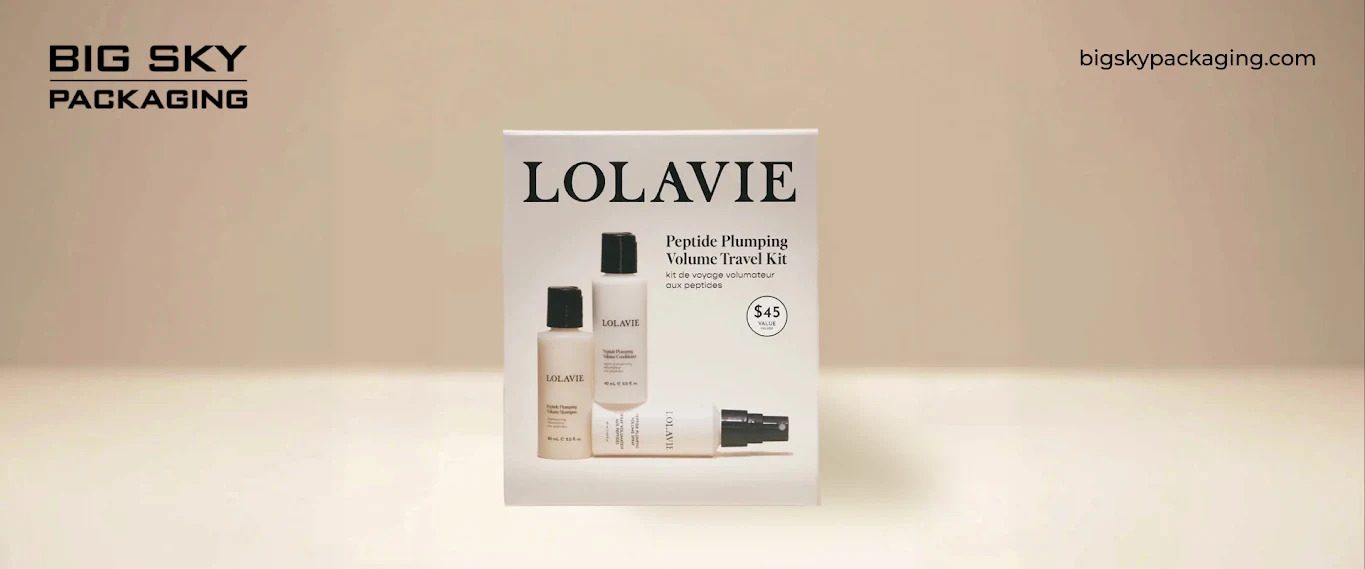
Packaging is no longer judged solely by how it looks, but by how it feels, sounds, and interacts with the consumer. As brands push toward deeper emotional connection and stronger in-hand presence, sensory packaging has emerged as one of the most influential forces shaping modern product perception.
Textures, finishes, weight, opening rituals, magnetic closures, soft-touch coatings, and sound cues are no longer indulgent embellishments. They are strategic tools.
Tools that transform a simple unboxing into a premium, memorable encounter, one that reinforces trust, elevates value, and strengthens brand affinity.
Sensory packaging is not a trend.
It is the new language of premium performance.
Why Sensory Packaging Is a Strategic Advantage for High-Growth Brands
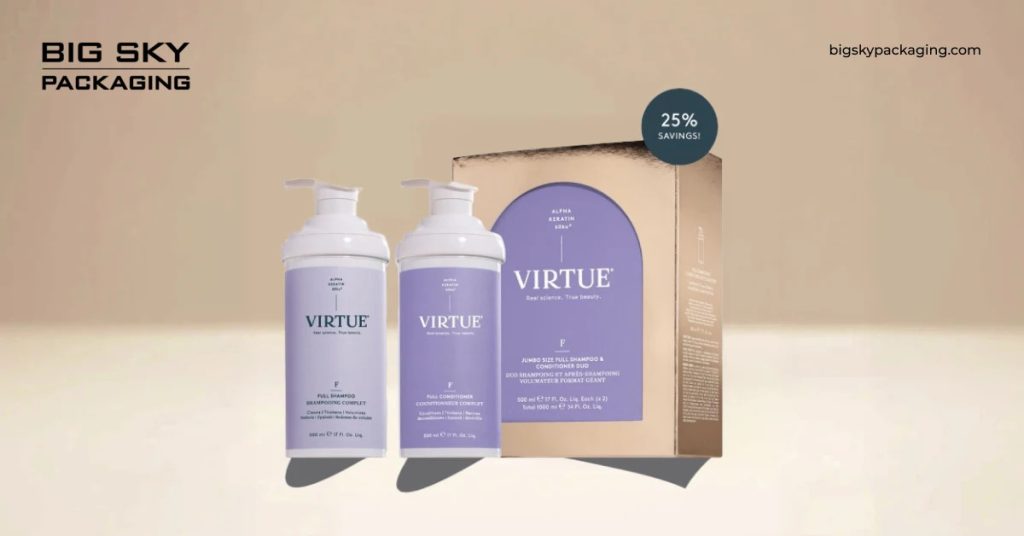
In a crowded global market where visual noise is everywhere, brands must differentiate beyond aesthetics. Sensory design delivers a multi-layered advantage that influences perception at every touchpoint.
Tactile finishes – Communicates craftsmanship and luxury
Sound cues (clicks, snaps, closures) – Signals precision and product quality
Weight & structure – Enhances perceived value and reliability
Opening experience – Reinforces ritual, exclusivity, and emotional engagement
These sensory cues work on a subconscious level, shaping buying decisions before a consumer reads a single word on the packaging.
The Hidden Risk: Flat Packaging That Fails to Connect
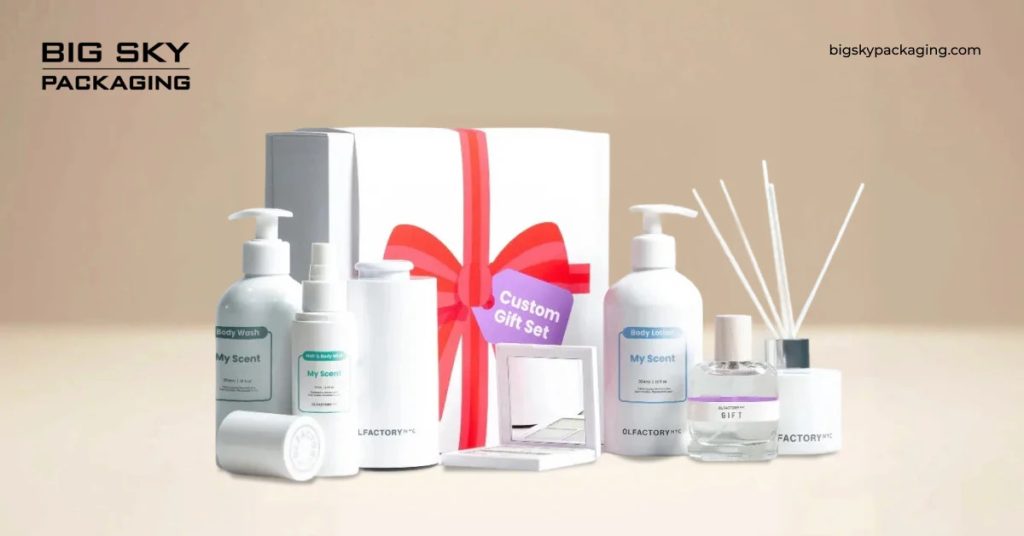
In the race to scale, brands often prioritize cost savings over emotional resonance. The result?
- Packaging that feels generic instead of purposeful
- Products that lose perceived value despite strong formulation or storytelling
- Weaker first impressions in competitive retail environments
- Reduced loyalty because consumers no longer “feel” the brand
When premium products are paired with uninspired packaging, the disconnect is immediate, and costly.
Sensory packaging restores this missing dimension.
Three Reasons Sensory Packaging Drives Premium Success
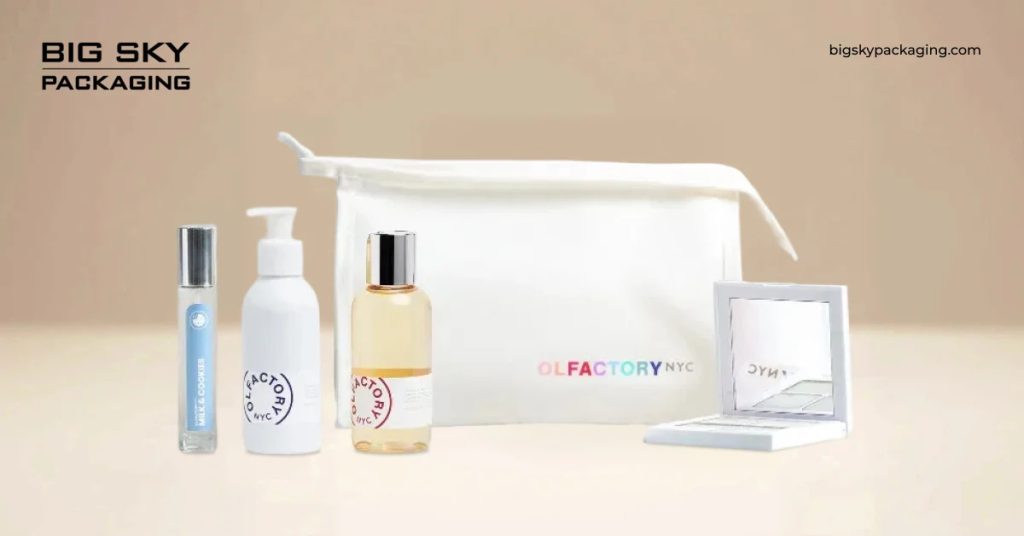
A. It Elevates Brand Identity Through Touch
A single tactile cue can become iconic, think soft-touch finishes, weighted bases, or signature textures tied directly to brand DNA.
B. It Enhances Consumer Experience and Ritual
The sound of a closure, the glide of a component, or the resistance of a custom box heightens perceived quality and encourages repeat purchase.
C. It Strengthens Differentiation Across Saturated Categories
Beauty, wellness, fragrance, wine, and lifestyle brands gain competitive advantage through multi-sensory storytelling, not just visual design.
How BIG SKY PACKAGING Engineers High-Impact Sensory Experiences
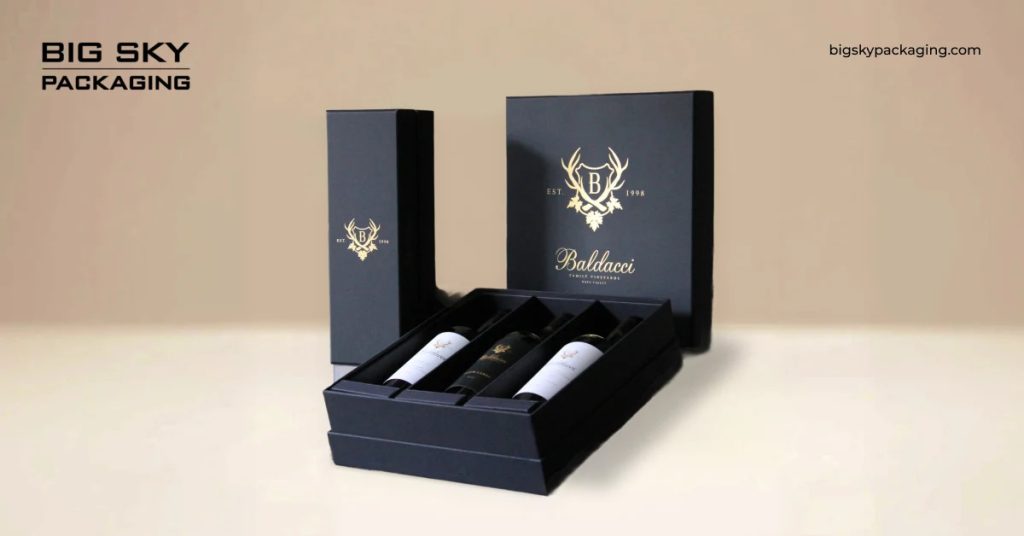
At BIG SKY PACKAGING, sensory performance is engineered with intention, blending material science, structural expertise, and premium finishing techniques to create packaging that is felt, remembered, and trusted.
Our engineers and designers help brands:
- Translate brand identity into tactile and sensory cues
- Build signature textures, weighting systems, and opening experiences
- Maintain sensory consistency across SKUs and global regions
- Leverage materials and finishes that elevate sustainability and performance
- Develop scalable systems that preserve sensory quality at high volume
From luxury soft-touch cartons to embossed fragrance caps, textured glass, click-precision closures, and high-end rigid boxes, BIG SKY PACKAGING ensures every sensory element reinforces the brand story, with measurable impact.