

In today’s competitive beauty, fragrance, personal care, and luxury wine markets, packaging supply chain strategy is no longer optional—it is foundational to profitable growth. Packaging is often the first physical touchpoint a consumer has with a brand, but behind every premium unboxing experience must be disciplined execution, global coordination, and cost control.
For funded growth-stage brands and established premium programs alike, success depends on balancing creativity with operational control.
How Can Brands Integrate Creative Vision with Global Packaging Manufacturing?
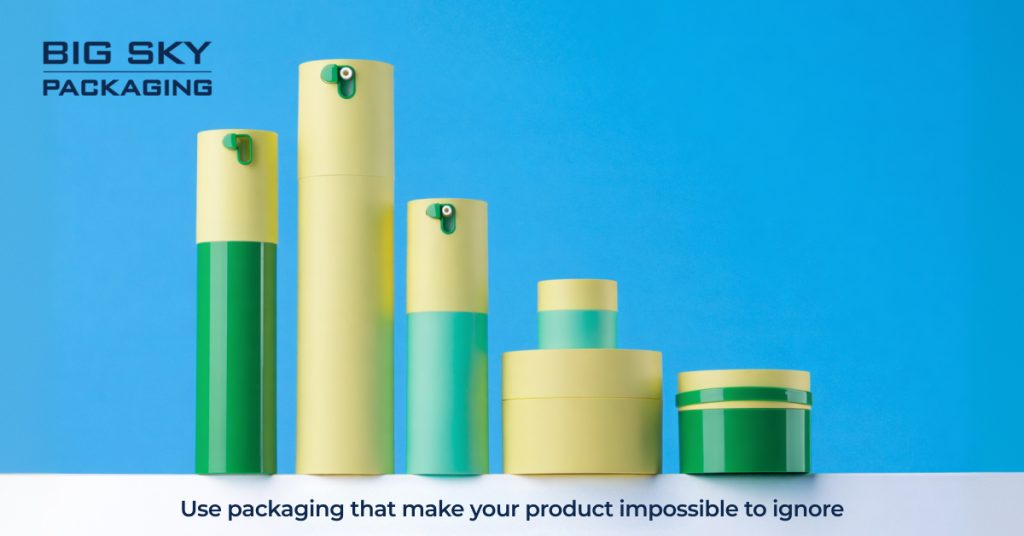
Creative direction drives differentiation. However, without early integration between design teams and global production partners, brands risk tooling delays, unexpected MOQs, cost overruns, or freight inefficiencies.
A modern global packaging manufacturing strategy requires evaluating production across North America, South America, Europe, and Asia—considering lead times, tariff exposure, quality standards, and scalability. Multi-region production planning reduces geopolitical risk while protecting launch timelines.
At BIG SKY PACKAGING, we integrate as an extension of our clients’ packaging teams. We align structural manufacturing, material selection, and factory capabilities with brand objectives early in development—ensuring concepts are production-ready and commercially viable.
Why Is Packaging Forecasting Essential to Reduce Excess Inventory?
Overproduction ties up working capital. Underproduction leads to stockouts and expedited freight. Strategic packaging forecasting bridges sales projections with MOQ management, tooling amortization, and regional manufacturing constraints.
Brands that forecast with discipline reduce excess inventory, improve cash flow, and protect margin. This is particularly critical in today’s tighter funding environment, where operational efficiency directly impacts valuation and growth potential.
Through structured RFQ processes and cost modeling, BIG SKY PACKAGING helps brands forecast intelligently—aligning production runs with realistic demand planning.
How Can Freight Optimization Improve Total Landed Packaging Costs?

Freight volatility continues to pressure margins. True packaging cost control extends beyond unit price—it includes cubic meter efficiency, palletization strategy, tariff & duty exposure, and multimodal logistics planning.
Small structural adjustments in component design can meaningfully improve freight efficiency. Strategic production geography decisions can reduce tariff risk and shorten lead times.
A disciplined packaging logistics strategy protects profitability while maintaining brand standards.
Why Does Operational Discipline Matter for Long-Term Brand Growth?
Scalable brands require scalable systems. Clear vendor diversification, milestone-based production oversight, and structured payment terms provide stability during growth phases.
While creative excellence drives consumer engagement, operational rigor sustains long-term success. The brands that thrive are those that treat packaging not as an afterthought, but as a strategic function integrated into financial planning, supply chain management, and brand positioning.
How Does BIG SKY PACKAGING Help Brands Move Efficiently from Concept to Delivery?
BIG SKY PACKAGING blends traditional execution—thorough factory vetting, quality oversight, and structured documentation—with modern analytical rigor. The result is scalable packaging solutions that balance creativity, cost control, and global risk mitigation.
For brands seeking a steady, experienced packaging partner across beauty, fragrance, personal care, and luxury wine, we bring the structure required to move confidently from concept to delivery—without sacrificing vision or performance.
If strengthening your packaging supply chain strategy is a priority, we welcome the opportunity to support your next phase of growth.