Sustainable Packaging Solutions

Sustainable Solutions

The BIG SKY PACKAGING team offers a range of sustainable packaging solutions, in various materials, to meet the increasing demand for environmentally-conscious brands.

Bottles made from sustainable sources offer the opportunity for brands to demonstrate their environmental awareness, through packaging choices. The materials, as well as a quick introduction to each, are listed below:

  • PCR (Post Consumer Regrind)
  • PLA (Polylactic Acid)
  • Sugarcane Polymer
  • Eco-friendly Printing

PCR (POST CONSUMER REGRIND)

  • PCR is plastic products that have been recycled, which means they have been reprocessed to be re-used in new manufacturing
  • PCR conserves energy and non-renewable resources as recycling replaces the need for primary extraction and the manufacture of new plastics
  • BSP offers a range of PCR materials for use in the production of plastic bottles and jars at levels of between 25% – 100% in PET and up to 50% in HDPE*
  • PCR tubes are available for use with PE starting at 25% PCR material

*Subject to material availability

PLA (POLYLACTIC ACID)

  • PLA is a compostable polymer derived from renewable sources such as cornstarch
  • BSP partners have tested PLA in various manufacturing processes and the results to date have been promising although there are some limitations on what can be produced
  • We would be happy to develop this further in partnership with a customer – please contact the BSP sales team to discuss

SUGARCANE POLYMER

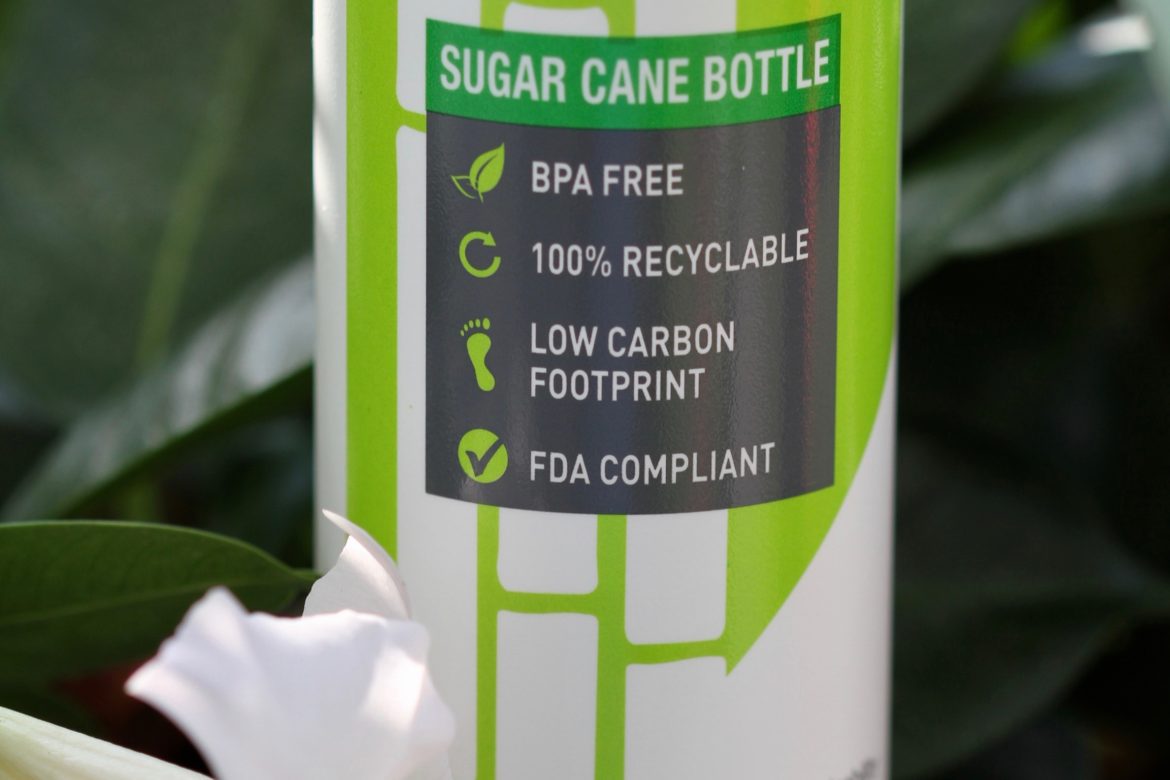
  • Polymer made using bio-oil derived from sugar cane rather than traditional oil
  • BSP partners are currently producing sugarcane flexible tubes and bottles for the packaging market
  • Retains the same properties as traditional oil-based polymers
  • 100% renewable
  • Possible to achieve a negative carbon footprint
  • Investigating Polyethylene Furanoate (PEF) source, Bio-polymer equivalent to PET
  • Sugarcane Closures are also available.

ECO-FRIENDLY DECORATION

Printing adds very little gram weight to the product. In addition, label materials are sometimes inconsistent with the bottle which can hinder recycling.

Please contact the BIG SKY PACKAGING team today and learn how we can help build your brand.
Related News

Sustainable Solutions
18 August, 2026

Wine Packaging Trends Shaping Premium Brands in 2026

Discover the latest wine packaging trends shaping premium brands in 2026, from luxury finishes and sustainable materials to custom designs, wine club packaging, DTC solutions, and operational efficiency. Learn how strategic packaging can enhance customer experiences, strengthen brand identity, and support long-term growth. The wine industry continues to evolve as consumer expectations, sustainability initiatives, and […]

Read More
Sustainable Solutions
6 August, 2026

Wine Industry Trends & Insights Center – Key Trends Shaping Wineries, Wine Consumers, and Packaging in 2026

By BIG SKY PACKAGING The wine industry continues to evolve. Consumer preferences are changing, direct-to-consumer sales channels are expanding, sustainability initiatives are accelerating, and wineries are being challenged to create stronger customer connections than ever before. While the fundamentals of great winemaking remain unchanged, the way wineries market, package, sell, and deliver their products continues […]

Read More
Sustainable Solutions
31 July, 2026

Winery Branding Through Packaging

How Great Packaging Helps Wineries Tell Their Story, Build Loyalty, and Stand Out in a Competitive Market By BIG SKY PACKAGING For wineries, branding extends far beyond a logo or wine label. Every touchpoint influences how consumers perceive a winery, from the tasting room experience and website design to social media content and customer service. […]

Read More

Frequently Asked Questions

Sustainable packaging solutions use environmentally responsible materials and designs that minimize waste, improve recyclability, and reduce the overall environmental impact of packaging.

Companies are adopting sustainable packaging to meet consumer expectations, reduce their environmental footprint, strengthen brand reputation, and prepare for evolving sustainability regulations.

Popular materials include recycled paperboard, FSC-certified paper, PCR plastics, glass, aluminum, bio-based materials, and refillable packaging systems.

Sustainable packaging can improve customer trust, enhance brand value, reduce material waste, and demonstrate a company's commitment to environmental responsibility.

Packaging engineers evaluate materials, optimize packaging structures, and develop solutions that balance sustainability, functionality, cost, and product protection.