Beyond the Box: The 5 Critical Jobs Packaging Must Deliver in B2B Markets

In B2B environments, packaging is far more than a container—it’s a strategic asset that directly influences brand performance, operational efficiency, product protection, and customer perception. When engineered thoughtfully, packaging strengthens every link of the supply chain. When it falls short, the consequences ripple through logistics, production, and customer satisfaction.

For brands relying on folding cartons and set boxes, packaging must successfully deliver on five critical roles to justify its place in the marketplace. Neglecting any one of these roles increases the risk of damaged goods, excess costs, miscommunication, or even lost business.

Below is a deeper look into these essential functions—and how BIG SKY PACKAGING ensures each one is executed flawlessly.

1. Protection and Preservation

The most fundamental responsibility of any packaging is simple: protect what’s inside. From fragile components and beauty products to premium, high-value items, structural strength is non-negotiable.

Weak materials, improper board selection, or poorly engineered closures lead to breakage, returns, and dissatisfied customers. In B2B markets—where products are filled, transported, and redistributed—the failure of a single carton can create delays, increase operational costs, and damage a company’s reputation.

How BIG SKY PACKAGING adds value:
Our structural engineers meticulously analyze material strength, closure systems, and carton geometry to ensure durability without unnecessary weight or cost. Through drop testing, compression analysis, and real-world performance evaluation, we design packaging that reduces damage rates and keeps supply chains running smoothly.

Protection and Preservation

2. Operational Efficiency and Supply Chain Fit

Packaging should never slow down production. It must ship flat, stack efficiently, assemble quickly, and integrate seamlessly into automated or manual packing lines.

When boxes require excessive adjustment or don’t align with equipment, throughput drops, errors increase, and labor costs rise. In high-volume B2B settings, these inefficiencies compound rapidly.

Where BIG SKY PACKAGING makes the difference:
We engineer cartons with line efficiency in mind—reducing assembly complexity, optimizing dimensions for palletization, and ensuring compatibility across various equipment types. Our designs reduce setup time, minimize waste, and help brands maintain consistent, cost-effective fulfillment processes.

3. Brand Communication and Differentiation

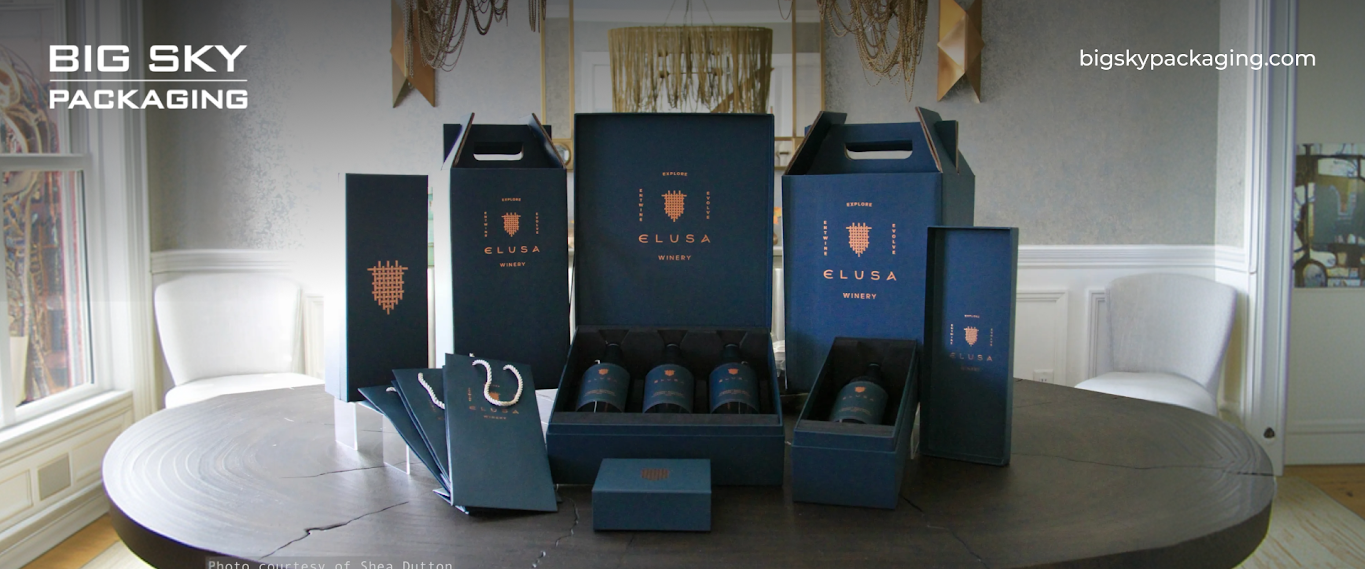
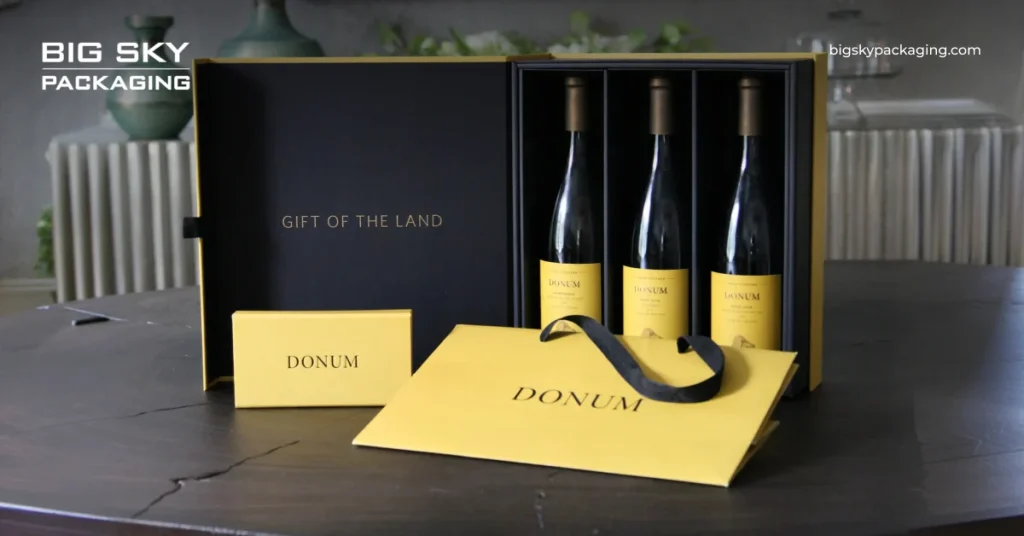
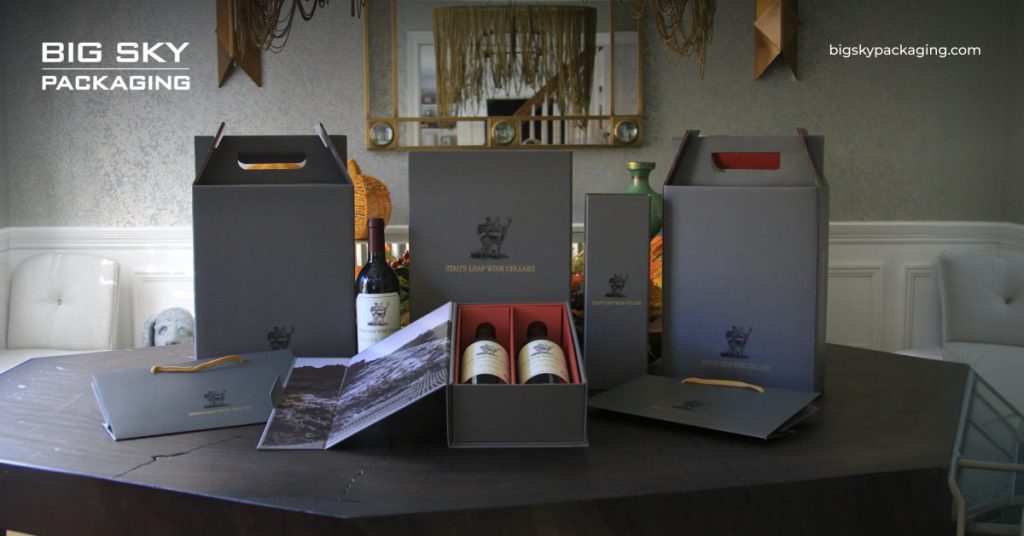
Even in B2B markets, packaging is a powerful communication tool. It signals quality, professionalism, and brand identity long before the product is handled. Tactile finishes, premium materials, and refined structural design reinforce the value of what’s inside.

Packaging that looks generic or low-tier can unintentionally diminish the perceived worth of the product, impacting retailer confidence, wholesale conversions, or end-customer trust.

How BIG SKY PACKAGING elevates brands:
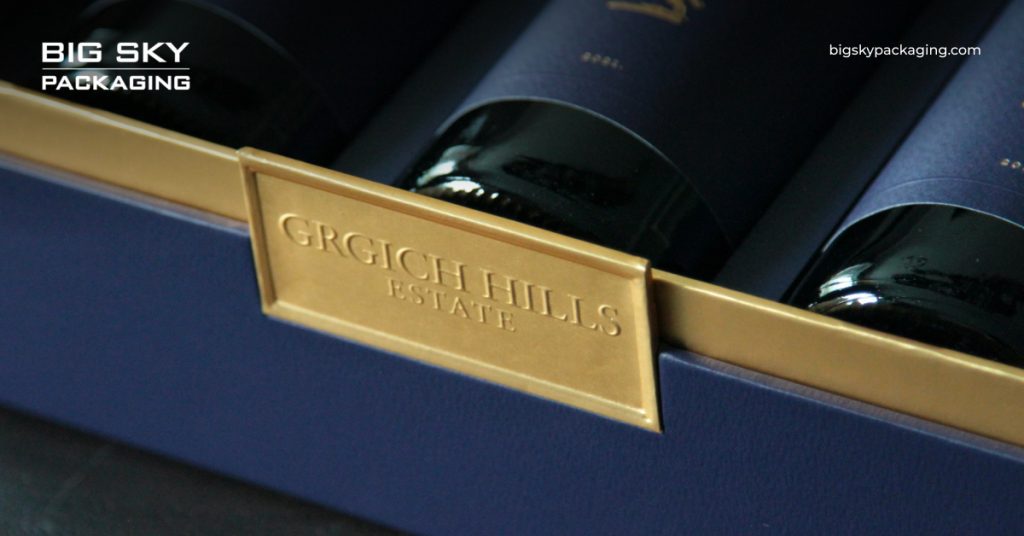
We create cartons and set boxes that function as brand assets. From foil stamping and embossing to unique textures and custom structures, we help brands express their identity with clarity and distinction. Every touchpoint becomes an opportunity to strengthen recognition and build trust.

How BIG SKY PACKAGING elevates brands:

4. Marketing Utility and Unboxing Experience

Unboxing matters—even in B2B. Whether the package is opened by a retailer, distributor, warehouse worker, or direct customer, the experience communicates expectations about the product and the brand.

Smooth-opening structures, clear internal organization, and protective inserts reduce the risk of damage and rework downstream. When packaging is intuitive and polished, it enhances product presentation and supports repeat purchasing behavior.

BIG SKY PACKAGING’s contribution:
We design packaging that enhances visibility, improves handling, and delivers a consistently positive unboxing experience. Clean seams, efficient closures, and thoughtful inserts help products ship safely and shine on arrival.

5. Sustainability and Lifecycle Responsibility

As environmental regulations expand and corporate responsibility expectations rise, packaging must meet sustainability standards without sacrificing performance. Material selection, weight reduction, and recyclability all influence a brand’s environmental footprint.

Brands that fail to align their packaging with sustainability expectations may face buyer resistance, increased regulatory scrutiny, or reputational risk.

BIG SKY PACKAGING’s sustainability leadership:
We help brands adopt responsible materials—FSC-certified boards, recycled substrates, mono-material solutions—and packaging engineer structures that reduce waste at every stage. Our sustainability audits identify opportunities to improve recyclability, decrease carbon impact, and align packaging with modern environmental goals.

BIG SKY PACKAGING's sustainability leadership

How Packaging Engineers Strengthen Box Performance

At BIG SKY PACKAGING, our team brings together engineering, design, sustainability, and production expertise to ensure your packaging performs across all five essential roles. We provide:

  • Structural analysis and testing
  • Material evaluation and optimization
  • Print and finish development
  • Sustainability strategy and lifecycle assessment
  • Global manufacturing and logistics support

By partnering early in the development process, we help brands avoid common pitfalls—under-engineered structures, high labor costs, inconsistent branding, and environmentally inefficient materials. Our solutions balance performance, cost efficiency, and aesthetics with precision.

Whether you need folding cartons for cosmetics, premium rigid boxes for retail, or supply-chain-optimized packaging for distribution, BIG SKY PACKAGING delivers solutions that reinforce your brand and enhance operational performance.

Conclusion

In B2B markets, packaging is more than a box—it is a protector, facilitator, communicator, marketer, and sustainability driver. Brands that excel in all five areas gain measurable advantages across cost, efficiency, brand perception, and customer experience.

With BIG SKY PACKAGING as your partner, packaging becomes a strategic investment in performance, perception, and long-term growth—not a cost center.

Frequently Asked Questions

Strong structural design helps cartons withstand shipping stresses, reducing damage rates and minimizing costly returns.

Premium materials, finishes, and graphics reinforce brand professionalism and elevate product perception from manufacturer to end user.

Absolutely. With engineered materials, optimized structures, and responsible supply-chain decisions, packaging can meet performance requirements while supporting sustainability goals.

Small, Durable, TSA-Proof: The New Standards for Modern Beauty Packaging

Today’s beauty consumers are constantly on the move—traveling, commuting, and carrying their routines with them. As a result, beauty packaging is evolving fast. Brands must now deliver packaging that is TSA-friendly, durable, portable, and aligned with modern lifestyles.

Here’s how these new standards are reshaping the beauty market—and how you can stay ahead.

Why Travel-Ready Packaging Is in Demand

Busy, mobile consumers expect products that perform anywhere. This has increased demand for:

TSA-friendly formats are no longer niche—they’re expected.

TSA-friendly formats are no longer niche—they’re expected.

What “TSA-Proof” Really Means

To meet traveler expectations, beauty packaging must be:

1. Sized Under 100 mL / 3.4 oz

Compliant with TSA liquid guidelines.

2. Clear or Easy to Inspect

Transparency speeds screenings and builds trust.

3. Truly Leak-Proof and Durable

Packaging must withstand drops, pressure changes, and movement.

The New Standards for Beauty Packaging

A. Small & Portable

Travel minis, dropper bottles, tubes, and compact jars help consumers carry essentials easily while boosting trial and gifting sales.

B. Durable

Materials like PET, aluminum, and TRITAN provide impact resistance and prevent leaks—critical for on-the-go use.

C. TSA-Friendly

Clear components, secure closures, and compliant sizing help products pass airport checks smoothly and appeal to travelers.

D. Sustainable

Consumers now expect eco-friendly packaging, even in minis. Brands are turning to:

How BIG SKY PACKAGING Helps Your Brand Meet These Standards

How BIG SKY PACKAGING Helps Your Brand Meet These Standards

BIG SKY PACKAGING supports beauty brands with fast turnaround, sustainable options, and flexible MOQs—ideal for launching travel lines or TSA-friendly extensions.

1. Ready-Made TSA-Friendly Components

2. Durable, Travel-Tested Packaging

3. Custom Packaging—Fast

4. Sustainable Solutions

5. Complete Travel Set Development

Custom kits and seasonal travel collections

Why It Matters

Travel-ready beauty packaging drives:

Packaging that travels becomes part of the customer’s everyday life—and your brand stays with them.

Let’s Build Your Travel-Ready Packaging

BIG SKY PACKAGING delivers TSA-friendly, durable, sustainable beauty packaging that exceeds  your brand’s expectations..

Connect with our team today and see how we can bring your travel-ready vision to life.

Strategic Guide: Scalable Packaging That Protects Brand Identity

How to Choose Packaging That Scales Without Losing Brand Identity

As brands grow from boutique beginnings to market disruptors, packaging must evolve — not just as a container, but as a strategic guardian of identity. The true challenge isn’t growth itself, but how to scale without compromising what made your brand stand out in the first place.

For premium and emerging brands, scaling packaging is often a balancing act between preserving artistic integrity and meeting the increasing demands of efficiency, cost control, and sustainability.

Why Scalable Packaging Is a Strategic Advantage

Why Scalable Packaging Is a Strategic Advantage

In today’s hyper-competitive, global market, scalable packaging isn’t just operationally important — it’s a branding imperative. Packaging that evolves seamlessly alongside your business ensures that your brand authenticity remains intact, even as production volumes rise and complexity increases.

The Hidden Risk: Brand Dilution During Growth

One of the greatest risks for scaling brands is the loss of brand storytelling. As production ramps up, cost pressures often lead to changes in materials, finishes, or structures. But these “minor” changes can disrupt the emotional connection with your consumers.

Every tactile detail — from the finish of a bottle to the sound of a closure — reinforces your brand’s promise. Inconsistent packaging can confuse consumers, fracture trust, and erode hard-earned brand equity.To scale successfully, you must not only increase production but also preserve your packaging’s emotional resonance.

Three Steps to Scale Without Losing Identity

Three Steps to Scale Without Losing Identity

1. Define Your Brand’s Non-Negotiables Early
Establish which packaging elements are sacred — such as proprietary colors, signature finishes, or embossing details. Lock these into your brand guidelines and ensure they’re upheld as you scale.

2. Embrace Modular Packaging Design
Create packaging systems that accommodate new SKUs, regions, or categories — without reinventing the wheel. Modular design increases efficiency while preserving a consistent brand aesthetic.

3. Partner with Expert Engineers and Trusted Manufacturers
Scaling without losing quality depends on the strength of your supply chain. Align with packaging engineers and production partners who understand both the technical demands and the brand vision behind your packaging.

How BIG SKY PACKAGING Helps Brands Scale with Integrity

How BIG SKY PACKAGING Helps Brands Scale with Integrity

At BIG SKY PACKAGING, we engineer solutions that allow your brand to grow without sacrificing quality, beauty, or sustainability. Our sustainable packaging experts act as an extension of your team — blending design precision, material science, and supply chain agility.

Whether you’re launching new markets, managing global logistics, or upgrading sustainability efforts, we ensure your packaging:

From dieline refinement to multi-region optimization, our experience across beauty, wellness, fragrance, wine, and lifestyle ensures that your brand story remains clear — and captivating — at every stage.

Top 5 Pain Points for Scaling Brands — and How BIG SKY PACKAGING Solves Them

Top 5 Pain Points for Scaling Brands — and How BIG SKY PACKAGING Solves Them


Pain Point

BIG SKY PACKAGING Solution
Inconsistent Brand Presentation Across SKUs or MarketsTandardized packaging systems and a global supplier network ensure visual and structural consistency.
Loss of Material and Finish Quality Due to Cost PressuresCost-engineering maintains premium materials while optimizing for scale and sustainability
Long Lead Times and Unreliable Supply ChainsA global production footprint ensures shorter lead times and more reliable delivery.
Difficulty Maintaining Sustainability Standards at ScaleSustainable, refillable, and recyclable packaging solutions tailored to high-volume needs
Lack of Internal Expertise to Engineer Scalable SolutionsOur engineers and designers translate your vision into manufacturable, scalable systems

Frequently Asked Questions

It means your packaging can adapt to increased volumes and new markets without losing brand integrity or compromising quality.

It weakens consumer trust, decreases perceived value, and dilutes your unique brand identity.

By delivering engineered, high-performance packaging solutions that align with your design, production, and sustainability goals — while preparing your brand for the next level of growth.

Smart & Multilayer Packaging Solutions for Modern Cosmetics: Why?

In today’s cosmetics landscape, packaging can no longer be simply pretty—it must be intelligent, layered, resilient, and transparent in its value. As formulas become more sophisticated and consumers demand both performance and sustainability, brands must rethink how packaging serves both product and person. Multi-layer and smart packaging represent this evolution: they protect sensitive ingredients, communicate brand ethos, and enhance user experience in ways traditional solutions cannot.

Balancing aesthetic appeal with functional complexity is no minor challenge. Poor packaging leads to degraded formulas, customer complaints, and a tarnished reputation. Smart and multilayer systems answer those pain points, offering solutions designed for the modern expectations of beauty buyers and industry regulation.

Why Smart & Multilayer Packaging Matters: Benefits vs. Challenges?

image 3

Many modern cosmetic formulations include sensitive active ingredients—vitamin C, retinol, botanical extracts—that degrade with exposure to air, moisture, or UV light. Multilayer films or containers with barrier layers (e.g., oxygen, light, moisture barriers) extend shelf life and preserve potency. This reduces waste and reassures both retailers and consumers of product integrity.

Smart packaging features—such as dispensers that limit exposure, indicators of shelf use, NFC/QR codes for traceability, or usage tips—boost user confidence and foster engagement. Customers are more likely to trust and repurchase from brands that offer both performance and transparency.

A layered design or intelligent packaging can serve as a visual cue for premium or high-tech positioning. Whether it’s a luxe multilayer jar, smart cap, refillable cartridge, or interactive digital touchpoint, these innovations reinforce brand identity and justify premium pricing.

Consumers now expect packaging to do more than look good. They demand ecological responsibility. Multilayer packaging can pose recycling challenges, especially if layers are not compatible or easily separable. Smart features also introduce considerations around electronics, materials, and end-of-life disposal. Brands must balance innovation with eco-design to avoid greenwashing or consumer backlash.

Designing and producing multilayer packaging is a complex process.  From custom tooling, sourcing of specialty components, materials, and application of decoration add to the final component cost. Ensuring consistency, packaging integrity, and user safety across supply chains adds more layers—literally and figuratively—to the development process.

How Packaging Engineers Can Help with Packaging

image 4

At BIG SKY PACKAGING, packaging engineers bridge the gap between bold design vision and feasible execution. Our experts guide brands through selecting packaging that fits the needs of the product formula, while keeping the package visually compelling. We assess trade-offs around cost, recyclability, and performance to craft solutions tailored to your brand’s priorities.

Final Thoughts

Smart and multilayer packaging are not simply trends—they are strategic imperatives. When done meticulously, they transform cosmetic products into experiences that resonate, deliver performance, protect value, and align with sustainability. For brands willing to invest in innovation, the returns are in reduced waste, elevated brand perception, deeper customer loyalty—and ultimately, healthier margins. With a partner like BIG SKY PACKAGING, brands can navigate complexity confidently, achieving packaging that is both intelligent and beautiful.

Frequently Asked Questions

Multilayer packaging enhances product protection by preventing exposure to air, light, and moisture, preserving the formula’s integrity and shelf life

Smart packaging labeling integrates features like QR / NFC codes and traceability elements that help customers use products effectively while strengthening brand engagement.

Yes. With thoughtful material selection and engineering, multilayer packaging can be designed for recyclability, refillability, or reduced environmental impact.

Refillable Packaging in the USA Market: A Growing Trend for a Circular Economy

The packaging landscape in the United States is undergoing a quiet yet powerful revolution. What was once dismissed as an experimental concept is now gaining unstoppable momentum: refillable packaging. Driven by the global urgency to reduce single-use waste, businesses are being compelled to rethink how products are designed, delivered, and consumed. In this new era, packaging is not merely a container—it is a strategy, a sustainability statement, and an extension of corporate responsibility.

As consumer demand for eco-conscious alternatives rises, refillable packaging has moved from a niche idea to a mainstream expectation. Yet, this shift is not without challenges. The balance between durability, design, and consumer convenience continues to test brands that aim to integrate refillable solutions without compromising quality. For businesses across beauty, personal care, beverages, and household goods, the question is no longer whether to adopt refillable systems—but how to do so efficiently and effectively.

The Benefits: More Than Just Sustainability

image

Refillable packaging directly addresses one of the industry’s most pressing pain points: waste reduction. By extending the lifecycle of a single container, brands not only minimize environmental impact but also reinforce consumer loyalty. Customers who engage with refill systems often demonstrate higher repeat purchase behavior, recognizing the shared value in a sustainable transaction.

From a business perspective, refill models can reduce long-term costs by streamlining materials and production while offering opportunities for premium pricing tied to environmental value. In sectors where brand storytelling drives success, refillable packaging becomes a powerful differentiator, positioning companies as leaders in the transition toward a circular economy.

The Challenges: Industry Concerns That Demand Solutions

image 3

Despite its promise, refillable packaging brings operational complexities. Logistics, refill station availability, consumer adoption, and regulatory compliance can hinder scalability. Moreover, the engineering challenge of designing containers that are both durable and aesthetically compelling requires specialized expertise. Many brands hesitate due to fears of compromising brand image or incurring higher upfront costs in packaging development.

Here lies the pivotal truth: the success of refillable packaging rests not only on sustainability ambitions but also on the technical brilliance of its execution.

How Packaging Engineers Can Help with Refillable Packaging

How Packaging Engineers Can Help with Refillable Packaging

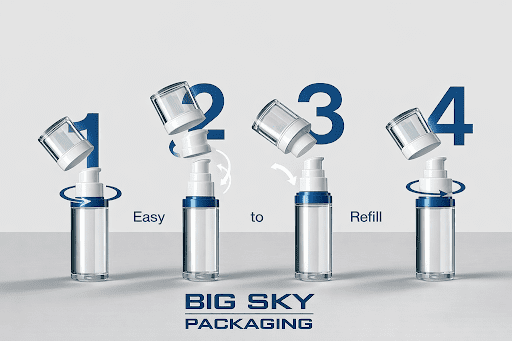
Packaging engineers play a decisive role in translating the vision of refillable packaging into market-ready solutions. At BIG SKY PACKAGING, engineers design refillable systems that balance durability with elegance, ensuring functionality does not diminish visual appeal. By leveraging advanced materials, precision engineering, and scalable manufacturing processes, they help brands navigate the complexities of refill adoption with confidence.

Beyond technical execution, BIG SKY PACKAGING works as a strategic partner—anticipating market trends, guiding regulatory compliance, and developing designs that resonate with both consumer values and brand narratives. For businesses seeking to lead in sustainability without sacrificing performance, the expertise of skilled engineers becomes the catalyst for turning refillable packaging from a challenge into a competitive advantage.

Conclusion

image 2

Refillable packaging in the USA is no longer a fleeting trend; it is a vital component of the shift toward a circular economy. While challenges remain, businesses that embrace innovation and collaborate with expert engineers will find themselves at the forefront of this transformative movement. With the right approach, refillable packaging becomes more than a sustainability initiative—it evolves into a business strategy that strengthens brand equity, consumer loyalty, and environmental responsibility.

What Does Your Fragrance Packaging Color Say? The Silent Influence on Consumers

In the world of fragrance, what’s unsaid often speaks the loudest. Before a single note unfolds on the skin, it’s the packaging—specifically, its color—that silently whispers to the consumer’s subconscious. A shade too bold can misrepresent the scent inside; a tone too muted may fade into the background. In an increasingly competitive fragrance market, color is no longer a finishing touch—it is a strategic tool.

Color psychology in packaging is not new, but its role in fragrance branding has become more nuanced, as consumers seek authenticity, emotional resonance, and aesthetic harmony. Today’s consumers do not merely buy fragrance—they buy identity, mood, and story. Color, when chosen deliberately, amplifies all three.

The Psychology Behind the Palette

The Psychology Behind the Palette

Every hue carries emotion. Deep blues evoke calm sophistication; rich golds suggest opulence; soft pastels exude innocence and freshness. For a brand, selecting a color isn’t just about visual appeal—it’s about aligning the external with the internal. The warmth of amber glass may hint at earthy, grounded notes. A sleek black bottle may signal strength, mystery, or sensuality.

For B2B buyers—distributors, retailers, and brand partners—packaging color becomes a deciding factor in product visibility, shelf differentiation, and ultimately, sell-through. With consumer attention spans narrowing and digital impressions growing more vital, visual storytelling through color has taken center stage.

Navigating the Challenges

Navigating the Challenges

Brands often face significant hurdles when selecting the right color palette, and more importantly the decoration application used for each. Poor decoration application during production and lack of consistency across materials can dilute a brand’s message and lower perceived quality for the brand.  The stakes are high—and so is the potential.

Moreover, sustainability efforts can complicate color execution. Natural inks and eco-friendly finishes may limit certain pigment choices, calling for creative adaptation. This is where expert engineering makes all the difference.

How Packaging Engineers at BIG SKY PACKAGING Can Help?

How Packaging Engineers at BIG SKY PACKAGING Can Help

At BIG SKY PACKAGING, our packaging engineers are well-versed in the intersection of color, material, and application. From prototyping through production, we collaborate with beauty and fragrance brands to ensure that every shade on the packaging reflects the heart of the scent inside.

With a keen understanding of unique decoration techniques, sustainable alternatives, and quality execution, our team ensures that your packaging doesn’t just look good—it communicates, captivates, and converts.

The Final Note

Color in fragrance packaging is not accidental—it is a language. A bold burgundy can convey drama. A soft one can suggest closeness. For beauty and fragrance brands navigating both sensory and strategic realms, understanding the silent influence of packaging color is no longer optional—it’s essential.

Let your next packaging speak volumes—before the bottle is even opened.

5 Steps To Achieve Premium Packaging Solutions That Tell Your Story

Premium packaging is no longer an indulgence—it is a necessity. The moment a consumer lays eyes on your product, perception begins. And in that split second, your packaging must do more than protect; it must perform. It must tell a story—your story—with clarity, emotion, and distinction.

Today’s B2B brands are no longer content with stock solutions or aesthetic gimmicks. They are searching for packaging that embodies their ethos, elevates their value, and connects with their target market on a visceral level. But achieving that level of precision requires more than creative vision—it requires a methodical, strategic approach that balances form, function, and storytelling.

Below are five essential steps that guide the journey toward packaging that is both premium and purposeful.

Step 1: Define Your Brand Narrative

Define Your Brand Narrative

Before structure or materials come into play, every packaging solution must begin with a story. What does your brand stand for? Is it heritage? Innovation? Clean beauty? Luxury minimalism? Defining your core narrative is the compass that guides every design decision thereafter. Without an articulated brand story, even the most beautiful packaging risks feeling hollow.

Step 2: Align Structure with Strategy

Form follows function—but in premium packaging, form amplifies function. Whether you’re designing rigid set boxes, mono-material tubes, or fragrance bottles with sculptural appeal, the structural elements must enhance both the product and the consumer experience. Here, engineering and strategy must walk hand in hand to create designs that are not only striking but also viable for manufacturing, sustainability, and logistics.

Step 3: Material Selection with Purpose

Material Selection with Purpose

Premium doesn’t always mean lavish—it means intentional. Choosing materials that reflect your values (be it sustainability, durability, or transparency) tells your audience you’re thinking beyond profit margins. Today’s consumers and B2B buyers are paying close attention to material choices—from FSC-certified boards to refillable components and recyclable mono-materials.

Step 4: Design That Delivers Emotion

Typography, finishes, color palettes, and tactile elements are more than aesthetic choices—they’re tools for emotional resonance. Premium packaging design isn’t about trend-chasing; it’s about timeless appeal that draws your customer in, creates a sensory connection, and mirrors your brand’s essence with every touchpoint

Step 5: Partner with Experts Who Understand the Nuance

Even the most visionary brands need a partner who can translate ambition into action. This is where experience, technical expertise, and deep industry understanding matter most.

How Packaging Engineers at BIG SKY PACKAGING Can Help You Achieve Premium Packaging Solutions

How Packaging Engineers at BIG SKY PACKAGING Can Help You Achieve Premium Packaging Solutions

At BIG SKY PACKAGING, we don’t just design packaging—we engineer brand experiences. Our team of packaging engineers collaborates with brands to ensure every element, from material innovation to manufacturing feasibility, is seamlessly aligned with your premium positioning. We bring decades of industry insight, sustainability-forward thinking, and the craftsmanship necessary to make your packaging story one worth sharing.

Conclusion

Premium packaging is a delicate fusion of art and intention. When thoughtfully executed, it becomes a vessel for your values and a differentiator in saturated markets. By following these five strategic steps—and aligning with the right partners—you can craft packaging that not only protects and presents but deeply connects.

Frequently Asked Questions

Premium packaging elevates brand perception, enhances the unboxing experience, and reinforces product value—critical factors for B2B customer trust and loyalty.

Packaging acts as a tangible extension of your brand, communicating values, aesthetics, and positioning before a single word is spoken.

Yes, with expert engineering and thoughtful design, sustainable materials can achieve elegance, durability, and luxury without compromising environmental values.

5 Essential Steps to Choosing the Perfect Applicator for Your Liquid Formulas

Because performance begins at first contact.

In the beauty and personal care industry, the applicator is no longer just a delivery mechanism—it’s an extension of the product itself. It defines user experience, elevates brand identity, and often determines how a formula performs on the skin. For liquid formulas—think serums, foundations, oils, and treatments—the wrong applicator can diminish the product’s perceived value, interfere with dosing precision, or compromise hygiene standards.

Brands operating in this space must approach applicator selection not as an afterthought but as a strategic imperative. An ideal applicator marries function with form, offering ease, elegance, and consistency while reinforcing the brand’s commitment to both innovation and user satisfaction.

Today, this also means aligning with sustainable beauty packaging goals—selecting applicators that are not only high-performing but also designed with eco-conscious materials, refillability, and recyclability in mind.

Here are the five essential steps to ensuring your next liquid formula is matched with the perfect applicator:

Define Your Formulas Viscosity and Sensitivity

1. Define Your Formula’s Viscosity and Sensitivity

Not all liquids are created equal. The first step is understanding your product’s texture and behavior—whether it’s a watery essence or a viscous serum. Applicator compatibility with viscosity ensures seamless dispensing and prevents waste or mess. Products with active ingredients may also require airless systems or specific applicator tips to preserve efficacy.

2. Consider Precision and Application Zones

Consider Precision and Application Zones

Is your product meant for targeted application—like under the eyes—or for broader use across the face or body? The geometry of the applicator tip, from flocked wands to droppers to roller balls, must reflect the precision (or coverage) required. This choice impacts user experience and plays a role in consumer satisfaction and repeat purchase behavior.

3. Align the Aesthetic with Brand Identity

Applicators are often the first tactile point of engagement. The applicator must visually and ergonomically reflect that identity, whether your brand leans clinical, luxurious, or clean beauty-focused. Every detail contributes to a unified brand story, from metallized finishes to minimal, soft-touch matte styles.

4. Factor in Sustainability and Recyclability

Factor in Sustainability and Recyclability

Sustainability is no longer optional—it’s expected. Brands must evaluate if the applicator can be refilled, recycled, or produced using biodegradable or mono-material designs. Reaching out to a beauty packaging company for forward-thinking engineering solutions is key to creating an applicator that is both elegant and eco-conscious.

5. Test, Iterate, and Validate

Before committing to production, rigorous testing is essential. Application feel, cap fit, formula flow, leakage tests, and consumer trials help ensure the applicator performs flawlessly in real-life scenarios. Investing in this phase minimizes costly revisions and strengthens product confidence at launch.

How Can Packaging Engineers at BIG SKY PACKAGING Help?

How Can Packaging Engineers at BIG SKY PACKAGING Help

At BIG SKY PACKAGING, we understand that the perfect applicator isn’t pulled from a catalog—it’s engineered. Our team collaborates closely with brands to prototype, test, and refine applicator systems tailored to both product performance and brand vision. From concept to commercialization, we craft solutions that enhance both the formula’s delivery and the user’s experience.

Frequently Asked Questions

The right applicator ensures precise dosing, enhances user experience, and maintains product integrity, which is key to consumer satisfaction and brand trust.

Yes, through smart engineering—like mono-material builds, refillable formats, or reduced components—sustainability and functionality can go hand in hand.

Ideally, it should start alongside formula development to ensure seamless compatibility and reduce costly design revisions later.

The Link Between CSR and Packaging: Sustainability in Action

Packaging has evolved far beyond functionality. It is now a powerful extension of corporate ethos, where material meets message, and innovation intertwines with responsibility. As global expectations around sustainability intensify, businesses can no longer separate their packaging choices from their corporate social responsibility (CSR) commitments. Sustainable packaging is no longer an option—it’s an expectation. And for brands that are serious about CSR, it’s one of the most visible and impactful actions they can take.

The intersection of CSR and packaging speaks volumes about a company’s values. It tells consumers whether a brand is genuinely committed to reducing its environmental footprint or simply adding to the noise. Packaging waste, especially in the beauty, personal care, and lifestyle industries, continues to pose significant environmental concerns. As legislation tightens and consumers grow more conscious, brands that ignore sustainable packaging risk falling out of favor, both reputationally and commercially.

Reputation Meets Responsibility

Reputation Meets Responsibility 1

For forward-thinking companies, sustainable packaging is a clear route to building trust. It signals transparency, innovation, and accountability—three attributes B2B buyers and consumers alike seek in their partnerships. From using post-consumer recycled materials to innovating with paper-based alternatives, packaging aligned with CSR is not just about reducing waste. It’s about rethinking how your product enters the market—and how it leaves an impression long after the purchase.

Moreover, sustainable packaging is now a competitive advantage. In sectors where differentiation is critical, packaging that embodies eco-conscious design communicates value far beyond the shelf. It conveys purpose. It drives repeat business. And perhaps most importantly, it supports long-term brand equity by showing stakeholders that your business is actively contributing to global sustainability goals.

Pain Points in Execution

Pain Points in Execution

Yet, the shift to sustainable packaging isn’t without its challenges. Supply chain complexity, limited access to innovative materials, and cost pressures often stand in the way of implementation. For many businesses, the question isn’t whether to go sustainable—it’s how to do it without compromising performance, aesthetics, or timelines. That’s where strategic expertise becomes essential.

How Packaging Engineers at BIG SKY PACKAGING Can Help with the Best Packaging Solutions

At BIG SKY PACKAGING, our team of packaging engineers bridges the gap between CSR vision and practical execution. We understand the materials, the design constraints, and the ever-changing regulatory landscape. Whether it’s minimizing material waste, sourcing biodegradable components, or creating scalable designs that travel well across channels, we work alongside brands to ensure their packaging doesn’t just look the part—it leads the way.

Our approach is tailored, collaborative, and grounded in innovation. We don’t offer off-the-shelf sustainability—we engineer it around your brand’s DNA. From recyclable mono-material structures to luxurious refillable components, our solutions meet today’s expectations without sacrificing tomorrow’s potential.

Conclusion

Sustainability isn’t a trend—it’s a testament to your brand’s integrity. When done right, packaging becomes a catalyst for positive change and a tangible expression of corporate responsibility. For brands ready to align purpose with product, BIG SKY PACKAGING delivers solutions where sustainability is more than a promise—it’s action in every layer

Optimizing E-Commerce Packaging for B2B Success: Challenges and Strategic Solutions

Packaging is no longer just protection in the high-stakes e-commerce world—it is more about the perception it builds, and the power it brings to the brand. This guide unpacks the biggest B2B challenges in e-commerce packaging and reveals strategic, sustainable solutions to overcome them. Dive and discover how you can turn your packaging into a profit-driving, brand-elevating advantage.

The digital marketplace is unforgiving—where brands once relied on tactile experiences and in-store presentations, today’s e-commerce landscape demands seamless, protective, and brand-enhancing packaging. The first physical interaction a customer has with an online purchase is not with the product itself but with its packaging—a crucial moment that defines brand perception, customer satisfaction, and business success.

However, e-commerce packaging presents unique challenges compared to traditional retail packaging. It must endure rigorous supply chain handling, minimize environmental impact, and enhance customer experience—all while being cost-efficient and aligned with brand identity. For B2B businesses looking to optimize their packaging strategies, understanding these complexities is key to thriving in an evolving market.

Key Challenges in E-Commerce Packaging

Key Challenges in E Commerce Packaging

1. The Fragility vs. Sustainability Dilemma

While protective materials like bubble wrap, foam, and plastic fillers provide product security, they often clash with sustainability initiatives. Today’s businesses are under pressure to adopt eco-friendly solutions without compromising on product protection. The challenge lies in developing packaging that is both durable and sustainable, balancing impact resistance with recyclability.

2. Supply Chain Resilience

Supply Chain Resilience

Unlike retail packaging, e-commerce packaging must withstand multiple touchpoints, warehouses, and transportation stages before reaching its destination. Every step increases the risk of damage, tampering, or leakage, making reinforced structures, high-quality materials, and smart design critical for preventing product loss and reducing customer returns.

3. Cost vs. Customization

Cost vs. Customization

Custom packaging strengthens brand identity, but over-customization can lead to excessive costs and inefficiencies. Striking the right balance between branding, functional design, and cost-effectiveness is a challenge—one that requires strategic material selection, streamlined production, and scalable design solutions.

4. Unboxing Experience and Brand Perception

The unboxing moment has evolved into a marketing tool, with customers expecting more than just a well-packaged product. Packaging must be visually appealing, easy to open, and aligned with brand storytelling while minimizing waste. The challenge? Creating an impactful unboxing experience without inflating packaging costs or compromising on sustainability.

5. Regulatory Compliance & Global Shipping Standards

Different regions impose varying packaging regulations, especially when it comes to materials, recyclability, and labeling. E-commerce brands must navigate complex compliance requirements while ensuring that packaging meets the demands of cross-border logistics, customs clearance, and carrier specifications.

How Can Packaging Engineers at BIG SKY PACKAGING Help?

How Can Packaging Engineers at BIG SKY PACKAGING Help

At BIG SKY PACKAGING, we recognize that e-commerce packaging is more than just protection—it’s a strategic business asset. Our packaging engineers design solutions that are lightweight yet durable, cost-effective yet premium, and sustainable yet functional.

From biodegradable mailers to engineered protective inserts and innovative secondary packaging, our expertise ensures that your products arrive in pristine condition while delivering a branded experience that elevates customer satisfaction. We work with businesses to develop tailored packaging solutions that align with sustainability goals, reinforce brand value, and optimize shipping efficiencies.

Final Thoughts

In the fast-moving e-commerce landscape, packaging is no longer an afterthought—it is a defining factor in customer loyalty, operational efficiency, and environmental responsibility. By addressing key challenges and implementing strategic packaging solutions, businesses can transform their e-commerce packaging into a competitive advantage.

With BIG SKY PACKAGING as your partner, you gain access to a team of experts who bring innovation, precision, and sustainability to every aspect of your packaging strategy, ensuring your brand stands out in a crowded digital marketplace.

Frequently Asked Questions

By using smart materials and scalable designs, businesses can cut costs without sacrificing quality. BIG SKY PACKAGING delivers durable, brand-aligned solutions at optimized costs.

Sustainable packaging supports ESG goals and reduces waste and shipping costs. We design eco-friendly solutions that meet compliance and performance needs.

A refined unboxing experience boosts brand credibility and leaves a lasting impression. Our team ensures packaging is both functional and brand-enhancing.