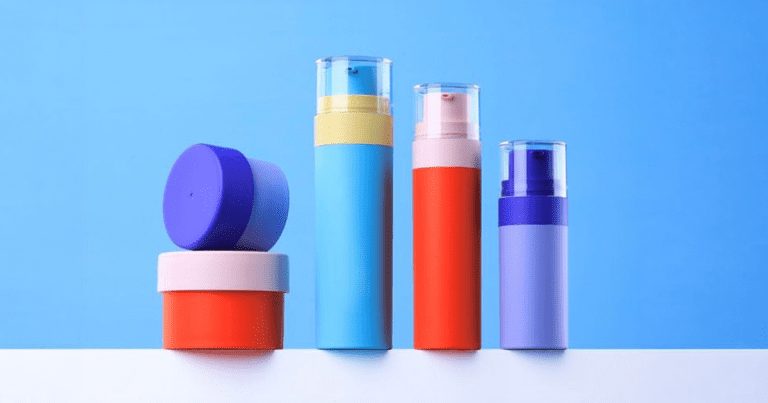
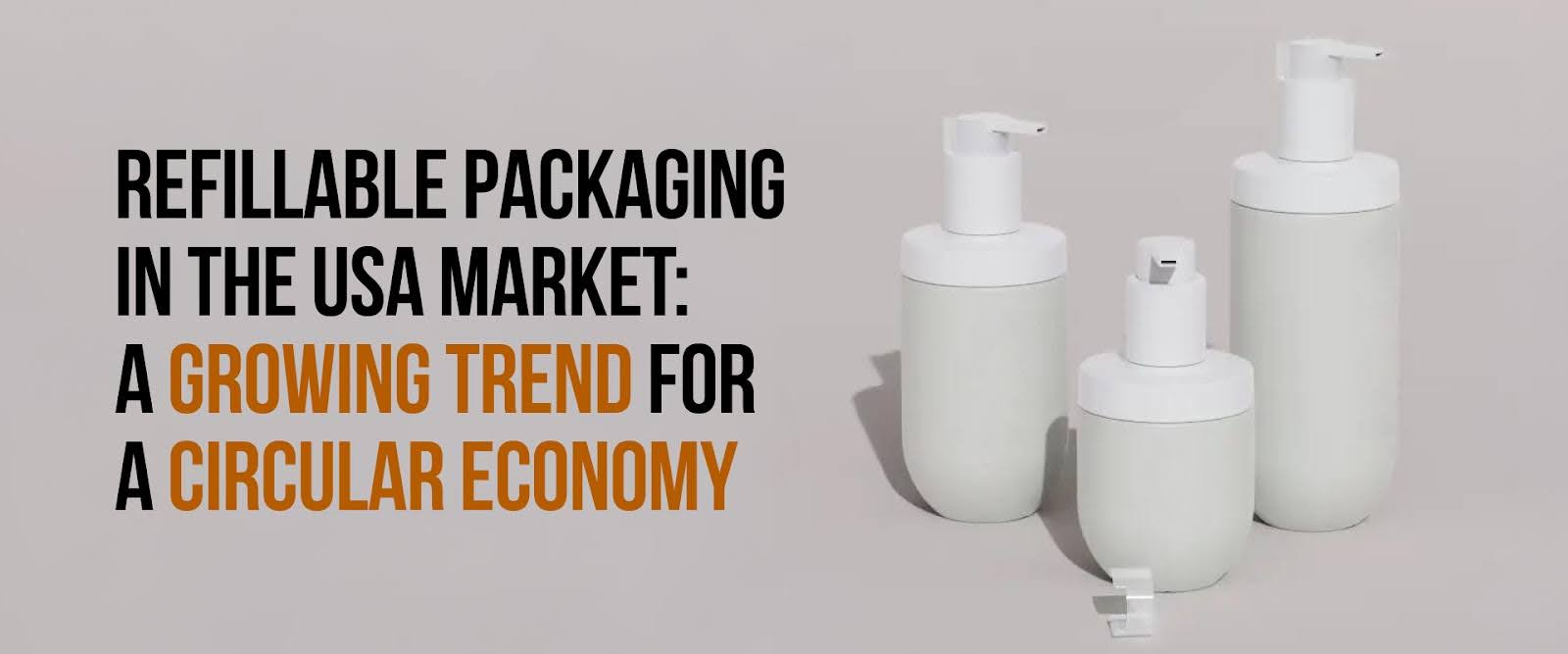
The packaging landscape in the United States is undergoing a quiet yet powerful revolution. What was once dismissed as an experimental concept is now gaining unstoppable momentum: refillable packaging. Driven by the global urgency to reduce single-use waste, businesses are being compelled to rethink how products are designed, delivered, and consumed. In this new era, packaging is not merely a container—it is a strategy, a sustainability statement, and an extension of corporate responsibility.
As consumer demand for eco-conscious alternatives rises, refillable packaging has moved from a niche idea to a mainstream expectation. Yet, this shift is not without challenges. The balance between durability, design, and consumer convenience continues to test brands that aim to integrate refillable solutions without compromising quality. For businesses across beauty, personal care, beverages, and household goods, the question is no longer whether to adopt refillable systems—but how to do so efficiently and effectively.
The Benefits: More Than Just Sustainability
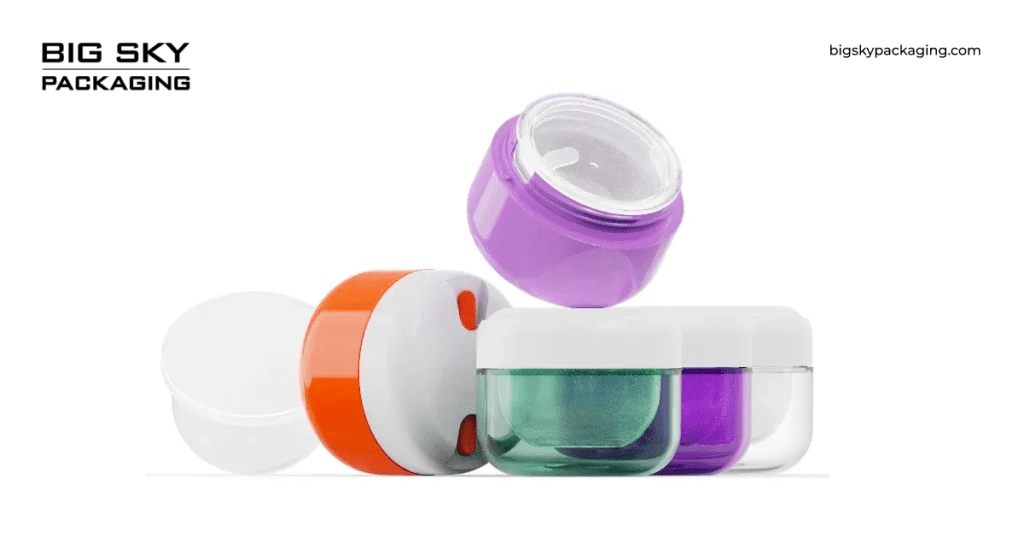
Refillable packaging directly addresses one of the industry’s most pressing pain points: waste reduction. By extending the lifecycle of a single container, brands not only minimize environmental impact but also reinforce consumer loyalty. Customers who engage with refill systems often demonstrate higher repeat purchase behavior, recognizing the shared value in a sustainable transaction.
From a business perspective, refill models can reduce long-term costs by streamlining materials and production while offering opportunities for premium pricing tied to environmental value. In sectors where brand storytelling drives success, refillable packaging becomes a powerful differentiator, positioning companies as leaders in the transition toward a circular economy.
The Challenges: Industry Concerns That Demand Solutions
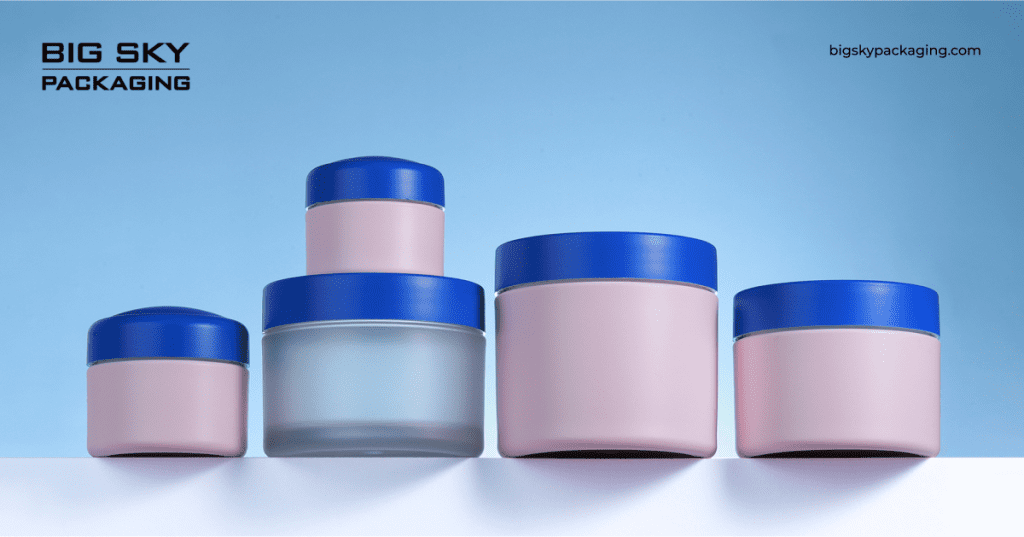
Despite its promise, refillable packaging brings operational complexities. Logistics, refill station availability, consumer adoption, and regulatory compliance can hinder scalability. Moreover, the engineering challenge of designing containers that are both durable and aesthetically compelling requires specialized expertise. Many brands hesitate due to fears of compromising brand image or incurring higher upfront costs in packaging development.
Here lies the pivotal truth: the success of refillable packaging rests not only on sustainability ambitions but also on the technical brilliance of its execution.
How Packaging Engineers Can Help with Refillable Packaging
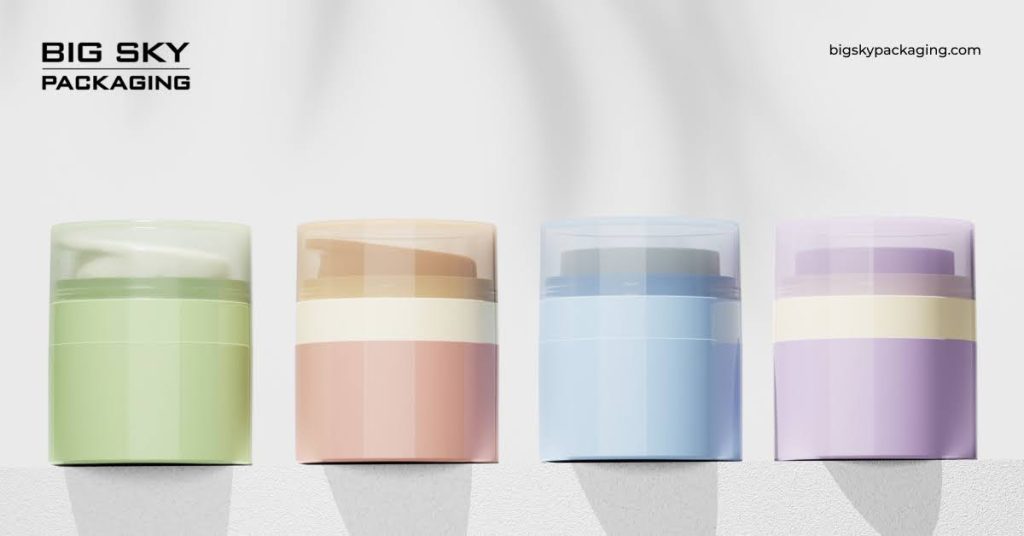
Packaging engineers play a decisive role in translating the vision of refillable packaging into market-ready solutions. At BIG SKY PACKAGING, engineers design refillable systems that balance durability with elegance, ensuring functionality does not diminish visual appeal. By leveraging advanced materials, precision engineering, and scalable manufacturing processes, they help brands navigate the complexities of refill adoption with confidence.
Beyond technical execution, BIG SKY PACKAGING works as a strategic partner—anticipating market trends, guiding regulatory compliance, and developing designs that resonate with both consumer values and brand narratives. For businesses seeking to lead in sustainability without sacrificing performance, the expertise of skilled engineers becomes the catalyst for turning refillable packaging from a challenge into a competitive advantage.
Conclusion
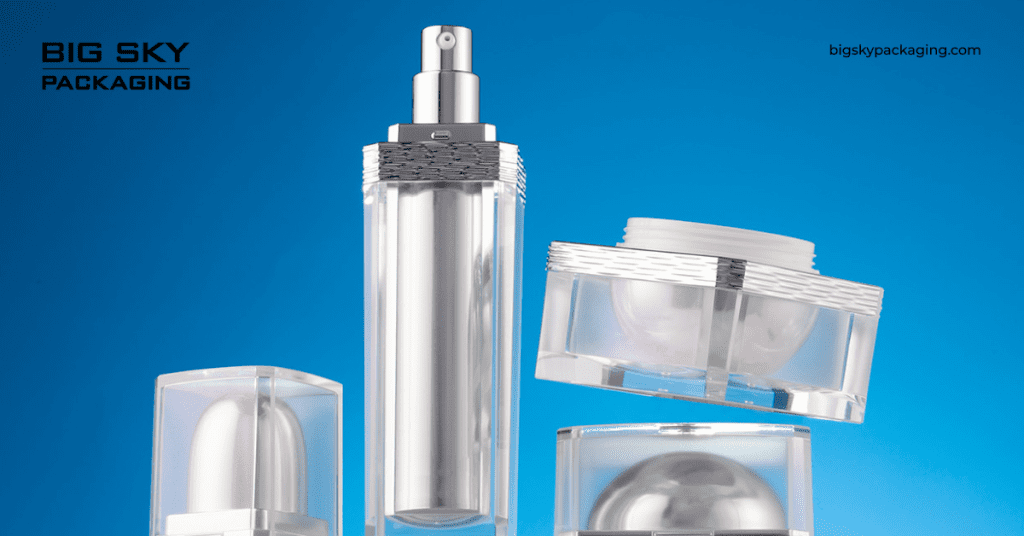
Refillable packaging in the USA is no longer a fleeting trend; it is a vital component of the shift toward a circular economy. While challenges remain, businesses that embrace innovation and collaborate with expert engineers will find themselves at the forefront of this transformative movement. With the right approach, refillable packaging becomes more than a sustainability initiative—it evolves into a business strategy that strengthens brand equity, consumer loyalty, and environmental responsibility.