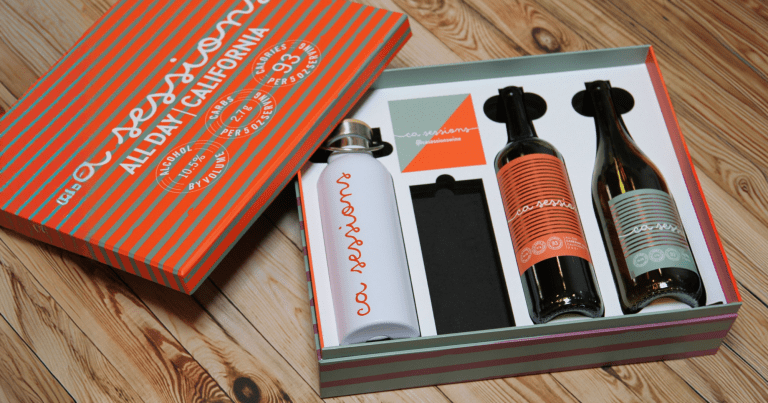

E-commerce packaging has evolved significantly in recent years.
In 2026, brands are evaluating packaging not only on appearance and protection, but also on sustainability, freight efficiency, customer retention, and brand perception.
As direct-to-consumer sales continue growing across beauty, wellness, wine, and lifestyle categories, FSC-certified packaging has become an increasingly important part of long-term packaging strategy.
Consumers are paying closer attention to the environmental impact of the products they purchase, including the materials used to ship them.
For many brands, sustainable packaging is now part of the overall customer experience.
What FSC Certification Represents
FSC (Forest Stewardship Council) certification helps verify that paper-based materials originate from responsibly managed forests and supply chains.
For brands, FSC-certified packaging can help support:
- sustainability initiatives
- ESG reporting goals
- environmentally conscious branding
- consumer trust
- long-term sourcing accountability
This shift is especially visible within beauty, wellness, wine, gifting, subscription, and e-commerce programs.
Sustainable Packaging Must Also Perform Operationally
In today’s market, sustainability alone is not enough.
Brands are increasingly looking for e-commerce packaging that balances:
- freight efficiency
- durability during transit
- reduced dimensional weight
- recyclability
- cost control
- scalability
As freight costs and material pricing continue fluctuating globally, many companies are reevaluating how packaging impacts overall operational performance.
Well-engineered FSC-certified packaging can often help reduce material usage and improve freight efficiency while maintaining strong customer presentation.
The Importance of E-Commerce Customer Experience
For direct-to-consumer brands, packaging frequently represents the first physical interaction consumers have with the company.
Packaging now helps shape:
- first impressions
- repeat purchase behavior
- perceived product quality
- emotional brand connection
Consumers increasingly expect e-commerce packaging to feel intentional, protective, and visually aligned with the brand itself.
Minimalist structures, molded pulp inserts, and paper-based protective materials continue gaining popularity as brands seek more sustainable alternatives to plastic-heavy shipping systems.
How BIG SKY PACKAGING Supports Sustainable E-Commerce Programs
At BIG SKY PACKAGING, we work with brands across beauty, wine, wellness, lifestyle, and consumer goods industries to develop packaging solutions that balance sustainability, operational efficiency, and customer experience.
We support brands through:
- FSC-certified packaging programs
- folding cartons
- rigid set-up boxes
- molded pulp packaging
- e-commerce shipper systems
- structural engineering
- prototyping and sampling
- QA/QC oversight
Our approach focuses not only on aesthetics, but also on how packaging performs operationally throughout the supply chain.
Final Thoughts
As sustainability expectations continue rising in 2026, FSC-certified e-commerce packaging will likely remain an important focus for brands looking to strengthen both operational performance and consumer trust.
The brands most likely to stand out will be those that successfully balance sustainability, customer experience, cost control, and packaging functionality.
At BIG SKY PACKAGING, we help brands develop packaging solutions that support long-term growth, operational efficiency, and evolving consumer expectations.
To learn more about BIG SKY PACKAGING and our sustainable packaging capabilities, visit https://bigskypackaging.com.