
A cosmetic closure may be small, but its materials and design can affect how the entire package is recycled. A recyclable bottle paired with a mixed-material pump, metalized overcap, or glued-in liner may not sort cleanly. That’s why recyclable cosmetic closures belong at the top of any packaging review this fall.
New packaging regulations are changing how brands evaluate recyclability and material selection. Extended producer responsibility (EPR) laws are in effect in several U.S. states, and producers are beginning to report on the packaging they sell. Retailers and consumers are paying closer attention to recyclability claims. Still, brands often leave the closure until the end of the packaging review. Here are five common assumptions about cosmetic caps and closures, and what to check before your next order.
Myth 1: Caps should be removed before recycling.
Fact: The Association of Plastic Recyclers advises consumers to leave caps on. At the plant, polyolefin caps float and PET bottles sink, so a water bath separates them during the separation process. Specify closures in PP or HDPE that float, and avoid additives that push a cap’s density above water.
Myth 2: A recyclable bottle means a recyclable package.
Fact: A recycling claim needs to account for the complete package, including its closure. A pump with a metal spring, a dispenser made from multiple resins, or a component that stays attached can make sorting and recovery more difficult.
If your formula works with a simpler dispenser, ask suppliers about metal-free springs or all-plastic dispensers. Then test the actual closure with your formula and bottle. A component that looks good on a spec sheet still has to dispense reliably and pass fit and leak checks.
Myth 3: Premium cosmetic caps require metal finishes.
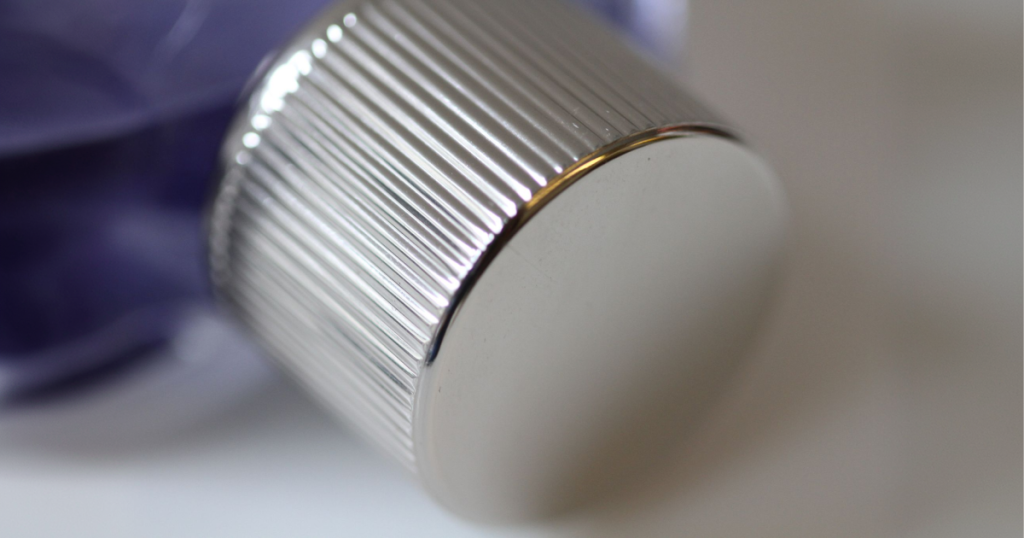
Fact: Premium aesthetics can be achieved through molded textures, color, and carefully engineered plastic closures. You can get a high-end look with fewer materials: thick-wall PP, molded-in color, textured tooling, a thread that feels good when it turns.
The trade-off is that a finish or texture that looks right on a sample may not feel right in use. Check how the cap opens and closes, and how it feels in the customer’s hand. A satisfying opening and closing experience, combined with a secure fit, can create a premium feel without relying on metallic finishes.
Myth 4: Packaging regulations are still years away
Fact: EPR programs are already in motion, including producer reporting requirements. As these programs mature, packaging that’s harder to recycle is likely to cost more. The specific requirements depend on the program, so brands should check the rules that apply to their markets.
Waiting until a deadline is close can leave little time to evaluate a new closure or repeat testing. Review the cap while you still have options. In packaging, designing to meet likely requirements can be less disruptive than revisiting a finished package under time pressure.
Myth 5: Changing closures requires new bottle tooling
Usually it doesn’t. Most cosmetic bottles use standard neck finishes like 20-410 or 24-410, and a new closure that matches the existing finish can often go on the current bottle. That limits the change to one component and one round of fit and leak testing.
But matching the finish doesn’t make testing optional. Check fit, torque, and leakage with your formula before approving the new cap for production. If the closure changes how the package runs on your line, account for that during the trial as well.
How to evaluate your cosmetic closures
Pull one of your current caps apart and lay the pieces out on a table. Many closures contain multiple materials and components that require individual evaluation: the cap itself, a liner, maybe a spring, an overcap, a gasket, a decorative ring.
For each piece, write down the material and the color, and note whether it comes off without a tool. Then email your supplier and ask for the resin identification and any recycling test data they have. If they can’t give you either, that information can help identify gaps in the supplier’s documentation.
How BIG SKY PACKAGING supports sustainable packaging
BIG SKY PACKAGING offers more than 13 eco-friendly material solutions, and our beauty packaging page lists PCR plastics, ocean plastic, bioplastics, and FSC-certified paperboard among them. Our customized stock packaging service includes material evaluation along with regulatory and compliance support, and our team manages production, quality assurance, and shipment. We’ve manufactured more than 155 million components, so our team has extensive experience with packaging components and production requirements.
Before your next production order, review your current closure specifications and available alternatives. Big Sky Packaging can help you discuss closure options that fit your line and sustainability goals. Contact the team at info@bigskypackaging.com or through the contact page.