
Key Takeaways
- Keep America Beautiful is responsible for America Recycles Day, which takes place on Sunday, November 15, 2026.
- Just 21% of the recyclable materials from US households are actually recycled, and the majority of the remainder end up in the trash.
- Since containers and packaging account for 28% of municipal waste in the United States, companies have a great deal of influence.
- The greatest successes are achieved through design: using a single material, incorporating recycled content, providing clear labels, and offering refills.
A figure that all brand owners should consider is that just 21% of the recyclable materials from U.S. households is actually recycled, as stated by The Recycling Partnership, while another 76% is thrown away.
Attributing the problem to shoppers is easy, but a great deal of packaging is simply difficult to recycle since it combines different materials, conceals the instructions for disposal, or makes use of plastics that most recycling facilities will not accept. This gives brands a more favorable position than almost anyone else to deal with the issue.
Why Packaging Is the Problem Worth Solving
According to the most recent EPA data, containers and packaging accounted for 82.2 million tons of US municipal waste, which is 28.1% of the total amount. Recycling rates differ greatly depending on the material:
- Paper and paperboard: 80.9%
- Aluminum beverage cans: 50.4%
- Glass: 31.3%
- Plastic: 13.6%
Shoppers do care. A survey by McKinsey showed that around half of US consumers are willing to pay more for sustainable packaging. Nevertheless, two-thirds of them have either little or no confidence as to whether things are recyclable. This discrepancy is a design issue, and it is the responsibility of brands.
A Brand’s Plan for America Recycles Day
You won’t be able to redesign an entire product line by November 15, so take that date as your starting point and select one product to address first.
1. Review the Products That You Are Currently Selling
Give a complete inventory of every component of your top five SKUs: that is, include the bottle, the pump, the cap, the label, the carton and the insert. Any item which joins materials that cannot be separated should be regarded as a warning sign. Small parts should also be taken into account, since even the closures can determine whether or not a pack is recycled.
2. Design Using a Single Material
Packaging made from a single material is much simpler for sorting facilities to handle; for example, a bottle and a cap both made of polypropylene are easier to sort than when you have three different plastics plus a metal spring.
3. Source Recycled Materials
Recycling only becomes viable when there is demand for the recycled product, and PCR plastics generate that demand. Both glass andaluminum can be recycled many times over and75% of all aluminum ever made is still in use. With regard to paper, consider FSC-certified board and molded pulp.
4. Use Clear Recycling Labels
The message “Remove pump, recycle bottle” gives a shopper more information than the recycling symbol alone does.
5. Offer Refills
The most environmentally friendly type of packaging is the one that you never produce at all; refillable packaging means that the outer container can be used for many years.
How Big Sky Packaging Helps Brands Recycle Better
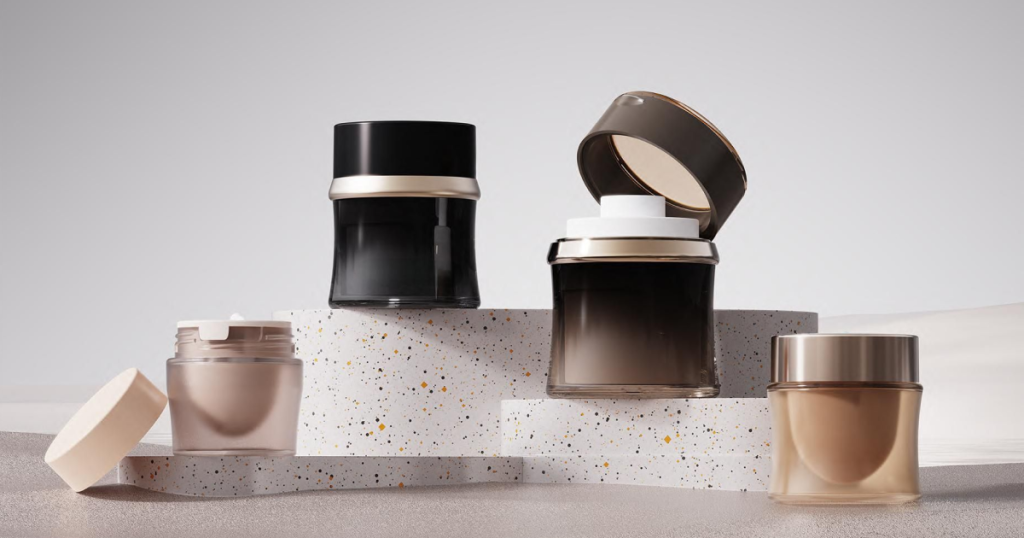
Big Sky Packaging assists beauty, personal care, wine and spirits brands in creating packaging which has a premium appearance and is more easily recyclable. We use more than a dozen sustainable materials, including PCR and ocean plastic as well as glass, aluminum and FSC-certified paper, and our engineers take end of life into account right from the very first sketch. You can view ourcase study on FSC eCommerce packaging or contact our team about your next product launch.